City Energy or Country Calm
Cape Town is busy in the best way. One day you ride the cableway up Table Mountain, the next you drive Chapman's Peak to Cape Point and stop to watch African penguins at Boulders Beach. There is Robben Island, the Bo-Kaap, the V&A Waterfront and summer concerts at Kirstenbosch. Beaches, forests and vineyards are all within an hour.
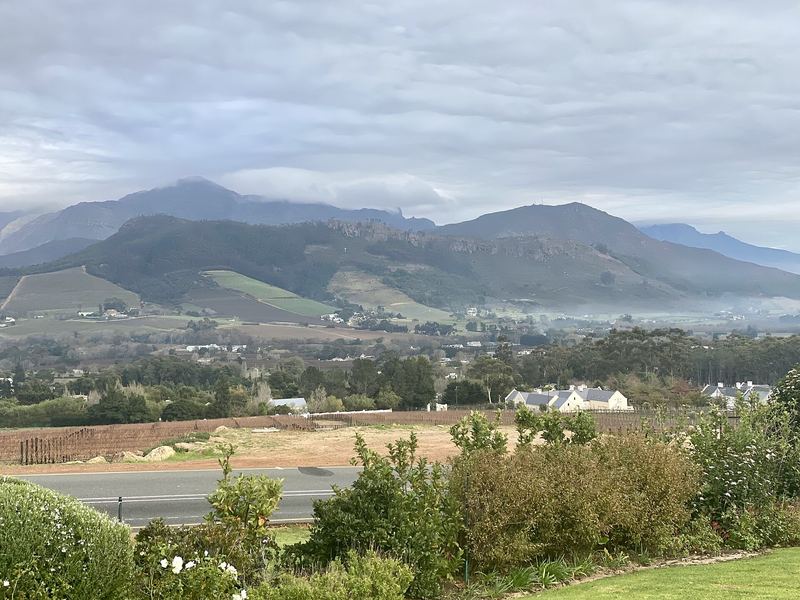
The Winelands move at a gentler speed. Your days are shaped by which estate you will visit for lunch, whether to cycle between farms or ride horses through the vines and how long to linger over a tasting. Evenings are quiet. The mountains change color as the light fades. Dinner is often on your farm or a short drive away.
Couples who get restless sitting still lean toward Cape Town. Those coming off a busy safari or craving downtime usually find the Winelands more restorative.
Where You Will Stay
In Cape Town, the Atlantic seaboard suburbs of Camps Bay, Clifton and Bantry Bay are the classic choice for ocean views. Ellerman House in Bantry Bay is an elegant small hotel with an art collection and wine gallery, from about $1,300 a night. The Twelve Apostles Hotel and Spa sits between mountains and sea on the coast road, from about $450. The Belmond Mount Nelson, a pink-walled landmark since 1899, sits in gardens at the foot of Table Mountain, from about $600 (all approximate).
In the Winelands, think farms and boutique hotels. Babylonstoren, a historic Cape Dutch farm between Paarl and Franschhoek, has cottages in converted farm buildings and a celebrated fruit and vegetable garden that supplies its restaurant. Franschhoek has a cluster of luxury boutique hotels within walking distance of the village, while Stellenbosch offers historic town stays and estate lodges.
The city is about views and convenience. The Winelands are about space and quiet.
Food and Wine
Both are among the best places to eat in Africa, but in different ways. Cape Town's scene is broad: modern South African tasting menus, Cape Malay cooking in the Bo-Kaap, fish and chips in Kalk Bay or Hout Bay and West Coast oysters. Constantia, the country's oldest wine area, lies just south of the city, so you can taste wine without leaving town.
The Winelands put wine at the center of everything. Franschhoek has long been known as a culinary capital. Many estates have restaurants with mountain views and menus built around the season. Try Chenin Blanc (the country's most planted white grape) and Pinotage (a uniquely South African red) along with Stellenbosch Cabernet and Syrah.
For a honeymoon dinner with a sea view, Cape Town wins. For a long lunch under oaks followed by a tasting, the Winelands are hard to beat. Book popular places ahead in summer, wherever you stay.
Things to Do as a Couple
Cape Town's list is long. Ride the cableway up Table Mountain at sunset, or hike up via Platteklip Gorge if you are both fit. Drive the Cape Peninsula loop. Picnic at a Kirstenbosch summer concert. Take a sunset cruise from the V&A Waterfront or a helicopter flight over the coast. Make time for Robben Island; couples often find it among the most meaningful parts of the trip.
In the Winelands, ride the Franschhoek Wine Tram between estates, book a vineyard horseback ride or try a chocolate and wine pairing. Wander Stellenbosch's historic center with its Cape Dutch architecture and galleries. Hike or mountain bike estate trails to earn your lunch, then book a couples' massage at an estate spa.
The city suits couples who like a full itinerary. The Winelands suit couples who want one plan a day and plenty of time to enjoy it.
Seasons and Weather
The two share a Mediterranean climate, so the calendar is similar. Summer, from November to March, is the best time for both, with long sunny days. December and January are peak season, with local holidays and higher prices.
Cape Town's wild card is the southeaster wind, nicknamed the Cape Doctor, which blows hard in spring and summer. It can close the cableway and make beaches uncomfortable, so keep backup plans. April and May bring calmer weather and softer light.
The Winelands are more sheltered from the wind but hotter inland, especially in Franschhoek in midsummer. Harvest, roughly February to April, is a lovely time to visit, with busy vineyards and autumn colors toward the end. Winter, June to August, is cooler and wetter in both. The Winelands make winter feel cozy, with fires and red wine, while Cape Town's rain can keep you indoors.
Getting Around Safely
Both use Cape Town International Airport (CPT). The city center is 20 to 30 minutes away; Stellenbosch is about 45 minutes and Franschhoek about an hour. Nonstop flights link Cape Town with the US, including Delta from Atlanta and United from Newark, though some routes are seasonal.
In Cape Town, Uber and Bolt are widely used and the easiest way to get around after dark. Renting a car helps for the peninsula drive. Keep doors locked and valuables out of sight. Avoid hiking alone or in remote areas. The State Department advises increased caution in South Africa because of crime, so stick to well-known areas.
In the Winelands, driving is the main issue. Since tasting is the point, hire a private driver or use the Wine Tram rather than driving yourselves. South Africa's drink-driving limits are strict and country roads are dark at night.
How to Split Your Nights
For a week, four nights in Cape Town and three in the Winelands works well. Start in the city while you have energy for the mountain and the peninsula, then move inland to slow down before flying home. If you are coming from a safari, reverse it: decompress in the Winelands first, then finish with the city's buzz.
With only four or five nights, base yourselves in Cape Town and take a day trip to Stellenbosch or Franschhoek with a driver. You lose the overnight farm experience but keep the variety.
With ten days or more, add a safari in the Sabi Sand or Madikwe, or drive the Garden Route east of Cape Town. Both the city and the Winelands pair naturally with these, which is why this region is a cornerstone of so many South African honeymoons.