Stay style

Ryokans & Onsen

Kaiseki by candlelight, tatami underfoot and a hot-spring bath waiting under the stars.

5 stays
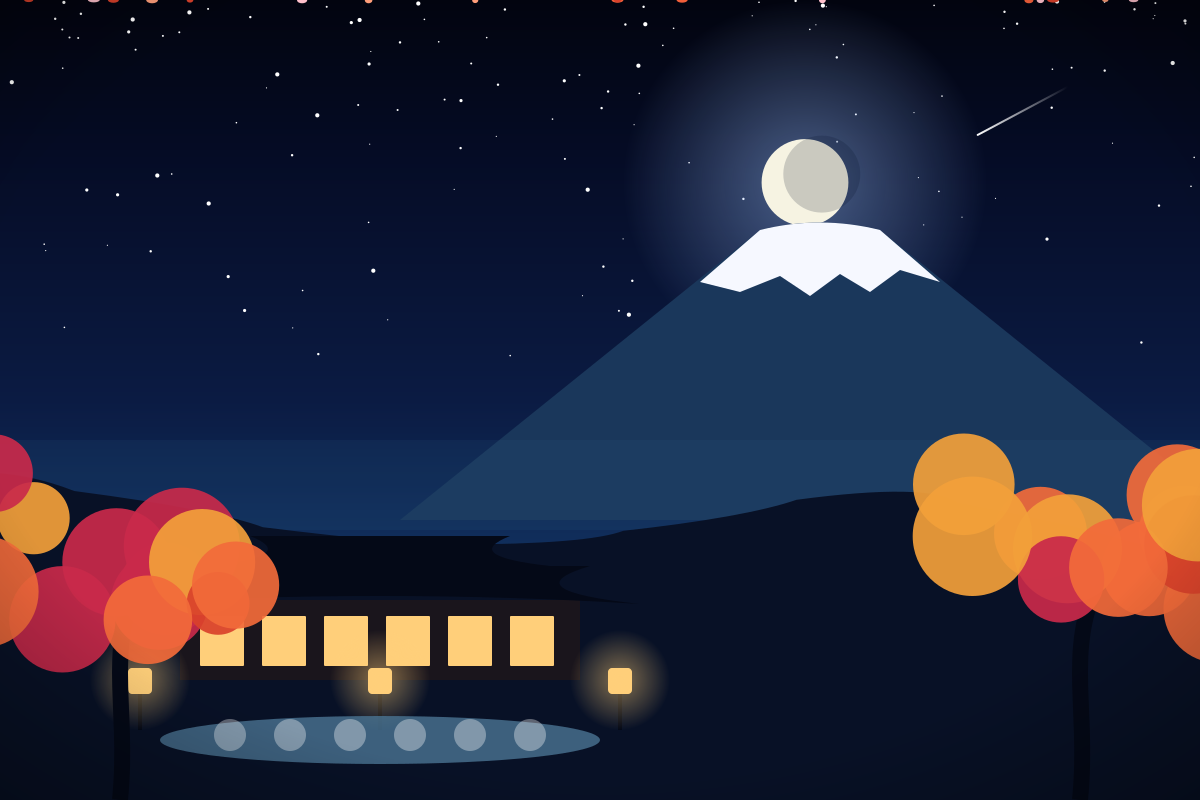
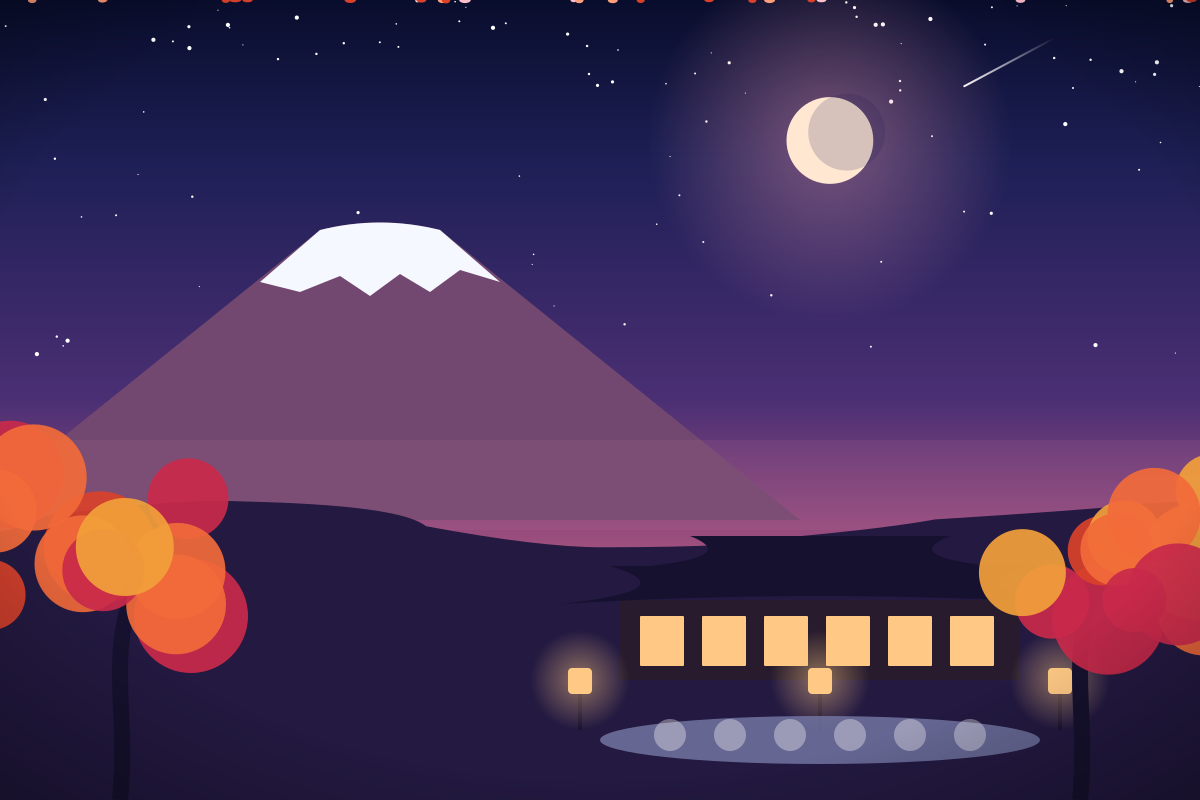
Original illustration

A night in a ryokan is one of the most romantic experiences Japan has to offer. You arrive to a quiet welcome and a cup of tea, change into a yukata, soak in hot-spring water, then sit down to a multi-course kaiseki dinner that unfolds slowly, one beautiful dish at a time. Later you may soak again under the night sky before sleeping on soft futons or low beds. It is ritual, comfort and hospitality distilled.

Our collection focuses on three exceptional stays. Hoshinoya Kyoto is a riverside ryokan in Arashiyama reached by private wooden boat. Aman Kyoto is a contemporary sanctuary in a hidden forest garden near Kinkaku-ji, with natural hot-spring baths. Gora Kadan in Hakone is a former imperial family villa turned ryokan, with private open-air baths and mountain air. Together they make a beautiful foundation for a Japan honeymoon.

What Makes a Ryokan Special

A ryokan is a traditional Japanese inn. The experience revolves around a few key elements. Rooms are often furnished with tatami mats, sliding paper screens and views of a garden or landscape. Dinner, usually kaiseki, is a seasonal tasting menu of many small courses, sometimes served in your room. Breakfast is equally carefully prepared. And bathing is central: many ryokan are built around onsen, natural hot springs, with communal baths and, at the best places, private baths for couples.

What makes it so romantic is the pace. Ryokan stays are not about rushing out to sightsee. They are about slowing down, savoring each meal and bath and enjoying the quiet attention of the staff. Even one or two nights can feel like a deep reset.

Kyoto: Hoshinoya Kyoto and Aman Kyoto

Hoshinoya Kyoto sits on a wooded riverbank upstream of Togetsukyo Bridge in Arashiyama. You check in at a boat landing and travel up the Oi River in a traditional wooden boat to restored century-old buildings with moss gardens and lantern-lit paths. Each of its 25 rooms has a deep hinoki cypress tub. Modern kaiseki dinners can be served in the restaurant or your room. Morning garden yoga, incense ceremonies and ikebana add to the calm.

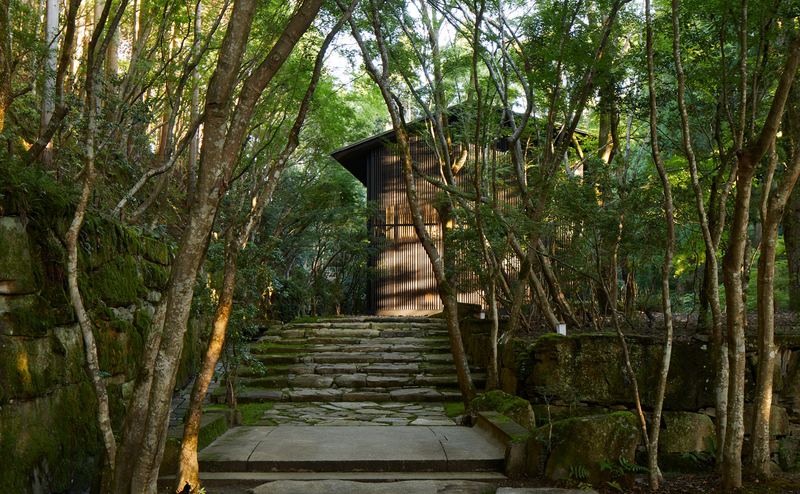
Aman Kyoto occupies a secret forest garden at the foot of Hidari Daimonji mountain in northern Kyoto, a short walk from Kinkaku-ji, the Golden Pavilion. Minimalist pavilions designed by Kerry Hill sit among moss, stone paths and maples. The natural hot-spring onsen and Aman Spa are major draws, along with Japanese tasting menus at Taka-An and a daily matcha ritual. It feels more like a contemporary Aman than a classic ryokan, but its spirit is deeply Japanese.

Hakone: Gora Kadan

Gora Kadan is a former imperial family summer villa from the 1930s that became a ryokan in 1948. It sits on a wooded mountainside in Fuji-Hakone-Izu National Park, a short walk from Gora Station. Many rooms and suites have private open-air hot-spring baths, which is the single biggest upgrade for a honeymoon. Seasonal kaiseki is served in private. There are indoor and outdoor onsen, an indoor pool and a spa.

Hakone is easy to reach from Tokyo by bullet train to Odawara or the Odakyu Romancecar to Hakone-Yumoto, followed by the scenic Hakone Tozan Railway. The next morning, the Hakone loop, with Lake Ashi and possible views of Mount Fuji on clear days, makes a perfect outing.

Ryokan Etiquette for First-Timers

Ryokan etiquette is simple once you know it and staff are always happy to guide you.

  • Take off your shoes at the entrance and never step onto tatami in slippers.
  • Wear the yukata provided, left side over right, around the inn and to dinner.
  • Wash thoroughly at the shower stations before entering any communal bath and keep towels out of the water.
  • Communal onsen are usually separated by gender and used without swimwear. For bathing together, book a room with a private bath or a private reservable bath.
  • Arrive by mid-afternoon. Dinner is served at a set time and you will want time to soak first.
  • Tattoos may be restricted in some communal baths. Ask in advance, or rely on a private bath.

When to Go

Japan's most famous seasons are spring and autumn. Cherry blossoms typically bloom in late March and early April. Autumn foliage peaks around November. Both are glorious seasons. Both are also when ryokan sell out far in advance, so book six to 12 months ahead. Early summer brings lush green moss and fewer visitors, though June is usually rainy. Winter is quiet and crisp, with the occasional dusting of snow on Kyoto's temples and Hakone's hills. Winter mornings are often the clearest for views of Mount Fuji. July and August are hot and humid.

Planning Tips

  • Mix your stays. Many couples spend a couple of nights at Gora Kadan in Hakone, then move to Kyoto for Hoshinoya Kyoto or Aman Kyoto, with a city hotel in Tokyo at either end.
  • Use luggage forwarding. Japan's excellent luggage delivery services let you send big bags ahead, so you can ride trains with just a small overnight bag.
  • Confirm dinner. At Hoshinoya Kyoto, dinner is typically booked separately from the room. At Aman Kyoto, breakfast is usually included.
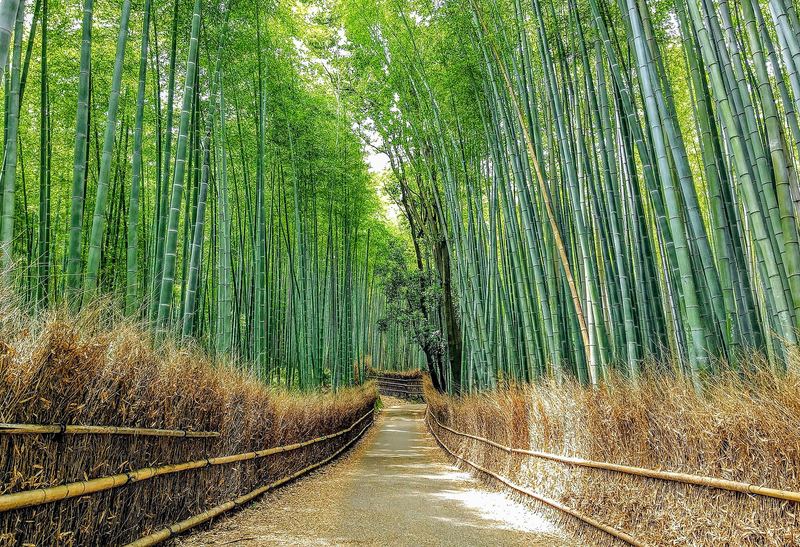
  • Plan sightseeing early. Arashiyama's bamboo grove and Kinkaku-ji are most peaceful right at opening time.
  • Book a private dinner seating or in-room dining for your first night; after a long flight, kaiseki in your yukata is far more romantic than a restaurant.
FAQ

Ryokans & Onsen: your questions

Can couples bathe together in an onsen?

In most communal onsen, baths are separated by gender. To bathe together, book a room with a private hot-spring bath, as offered at Gora Kadan, or a ryokan with a private reservable bath. Every room at Hoshinoya Kyoto also has its own deep cypress tub.

How many nights should we stay in a ryokan?

One or two nights is typical and enough to experience the ritual of bathing and kaiseki dinners. Many couples split their time between Hakone and Kyoto, adding a city hotel in Tokyo for a well-rounded Japan honeymoon.

Is Aman Kyoto a traditional ryokan?

Not exactly. Aman Kyoto is a contemporary luxury hotel with a deeply Japanese spirit, natural hot-spring baths and Japanese dining. It blends ryokan-style serenity with the comforts and space of an Aman resort.

When should we book a ryokan for cherry blossom season?

Book six to 12 months ahead for late March and early April. The same goes for November foliage. These are the most popular times in Kyoto and Hakone. The best rooms go very quickly.

What should we wear in a ryokan?

Most ryokan provide a yukata, a light cotton robe, to wear around the inn, to the baths and often to dinner. Wrap it left side over right. Pack comfortable clothes for sightseeing and something smart casual if you plan to dine out.

Honeymoon Huts is reader-supported. When you book through links on this page we may earn a commission, at no extra cost to you. Our picks are editorially independent. How we earn money.

Other styles

Explore more ways to stay

Illustrated impression of Overwater Bungalows

Overwater Bungalows

Wake up suspended above a turquoise lagoon, with a ladder from your deck straight into the sea.

Illustrated impression of Private Islands

Private Islands

One island, one resort and beaches you share only with sea turtles.

Illustrated impression of Private Pool Villas

Private Pool Villas

Your own walled garden, plunge pool and outdoor shower, with no neighbors in sight.

Illustrated impression of Beachfront Resorts

Beachfront Resorts

Step from your suite onto soft sand, with sunsets, spa days and cocktails in between.

Illustrated impression of Cliffside Suites

Cliffside Suites

Infinity pools right at the cliff edge, with open sea below and the sun going down in front of you.

Illustrated impression of Treehouses

Treehouses

Sleep up in the treetops, in anything from Arctic mirror cubes to jungle nests above the sea.

Illustrated impression of Glass Igloos & Ice Hotels

Glass Igloos & Ice Hotels

Watch the northern lights from your pillow beneath a dome of glass.

Illustrated impression of Luxury Tents & Glamping

Luxury Tents & Glamping

Canvas walls, claw-foot tubs and wildlife calling after dark. It's camping for two, done in comfort.

Illustrated impression of Safari Lodges

Safari Lodges

Big Five game drives by day and candlelit dinners under African skies by night.

Illustrated impression of Cabins & Lodges

Cabins & Lodges

Fireplaces, mountain views and cozy retreats for couples who love the outdoors.

Illustrated impression of Desert & Canyon Retreats

Desert & Canyon Retreats

Red-rock silence, starry skies and pools that glow at sunset.

Illustrated impression of Vineyard & Countryside Estates

Vineyard & Countryside Estates

Long lunches, cellar tastings and rolling hills turning gold at dusk.

Illustrated impression of Historic Grand Hotels

Historic Grand Hotels

Hotels with long histories: former palaces, grand villas and lakeside castles.

Illustrated impression of Spa & Wellness Retreats

Spa & Wellness Retreats

Thermal waters, spa rituals and treatments planned around the two of you.

Illustrated impression of Kid-Free Stays

Kid-Free Stays

No kids' clubs and no cannonballs. Just quiet pools and time for the two of you.

Illustrated impression of All-Inclusive Honeymoons

All-Inclusive Honeymoons

Meals and drinks are covered (often activities too), so you can leave the wallet in the room.