




































Why Italy for Your Honeymoon
Italy offers an unusual combination of variety and ease. In two weeks you can experience coastline, mountains, countryside and a city unlike any other, all linked by fast trains and short transfers. That variety means a honeymoon here never feels repetitive; each new base brings a different mood.
The food and wine alone would justify the trip. Every region has its own specialties, from Amalfi seafood and lemons to Tuscan steak and Lake Como perch. Dining is treated as an art. Italy also has a wealth of extraordinary hotels, from palazzi and converted monasteries to farm estates with Michelin-starred kitchens. Finally, it is accessible from the US, with nonstop flights to Rome, Milan and, seasonally, Venice from major American hubs, typically around eight to ten hours from the East Coast.
Best Time to Visit
For most honeymoons, the ideal months are May, June and September, with early October a close runner-up. The weather is warm without being oppressive, the sea is swimmable in the south, gardens are lush on the lakes and everything is open.
July and August are the hottest and busiest months, especially in cities and on the Amalfi Coast. Many Italians take their own holidays around Ferragosto in mid-August. Book far in advance if you travel then. April is lovely for cities and gardens, but the sea is cool.
From roughly November to March, many Amalfi Coast and Lake Como hotels close for the winter. That makes winter better suited to a city-focused trip, such as Venice, Florence and Rome, with cozy dinners and fewer crowds. Tuscany's autumn harvest and truffle season make September through November a wonderful time for food-focused couples.
Top Honeymoon Destinations
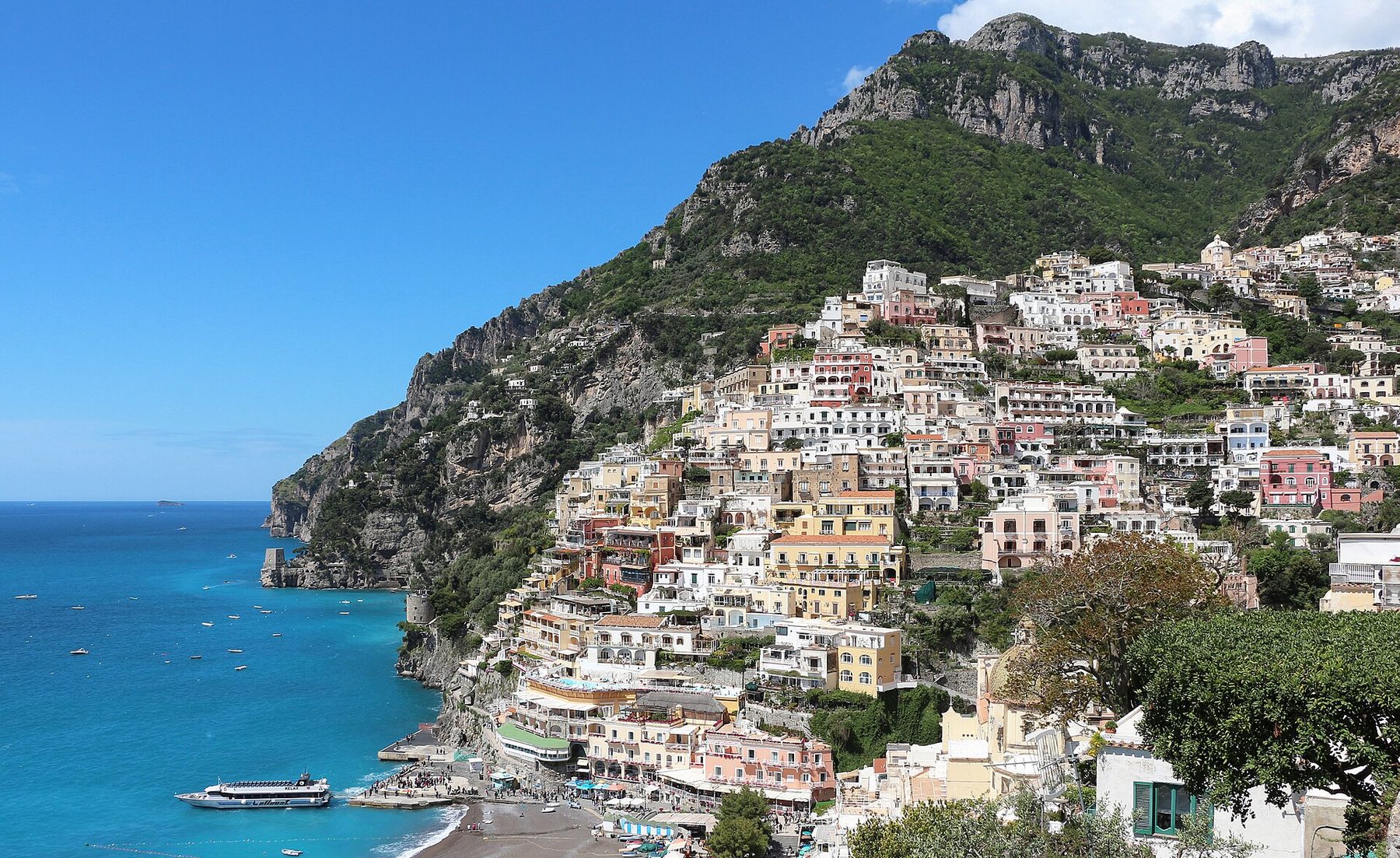
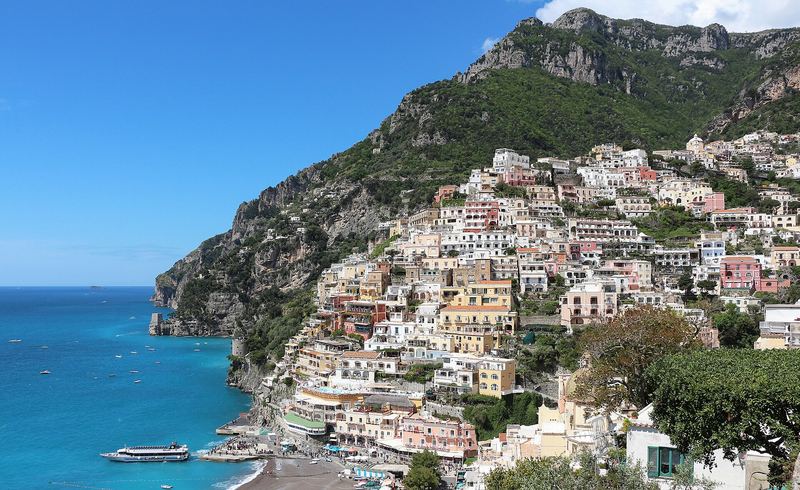
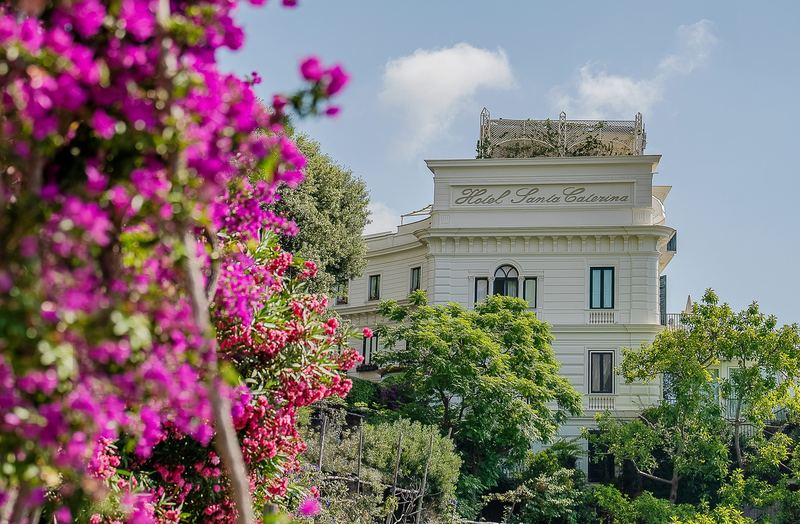
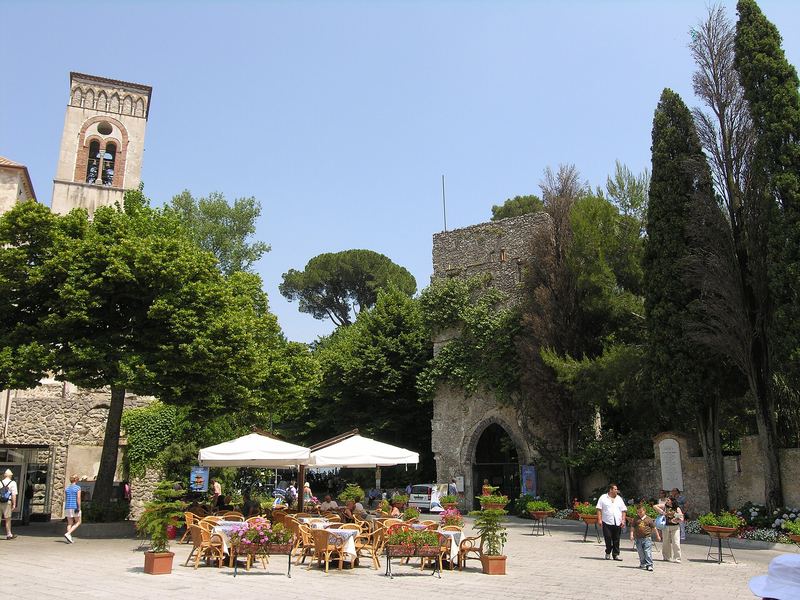
- Amalfi Coast: Pastel villages stacked on cliffs above the sea, lemon groves and dramatic coastal roads. Choose Positano for glamour, Ravello for calm gardens and views, or the smaller villages for privacy. Our favorites include Le Sirenuse, Hotel Santa Caterina, Caruso and Monastero Santa Rosa.
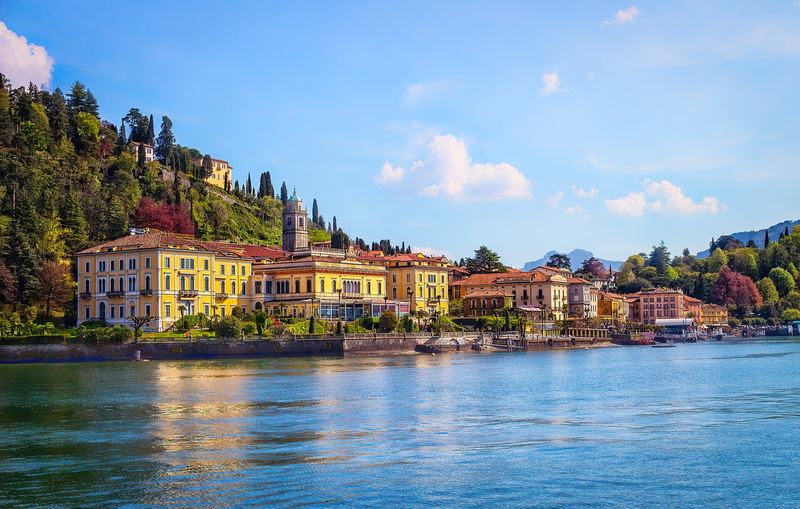
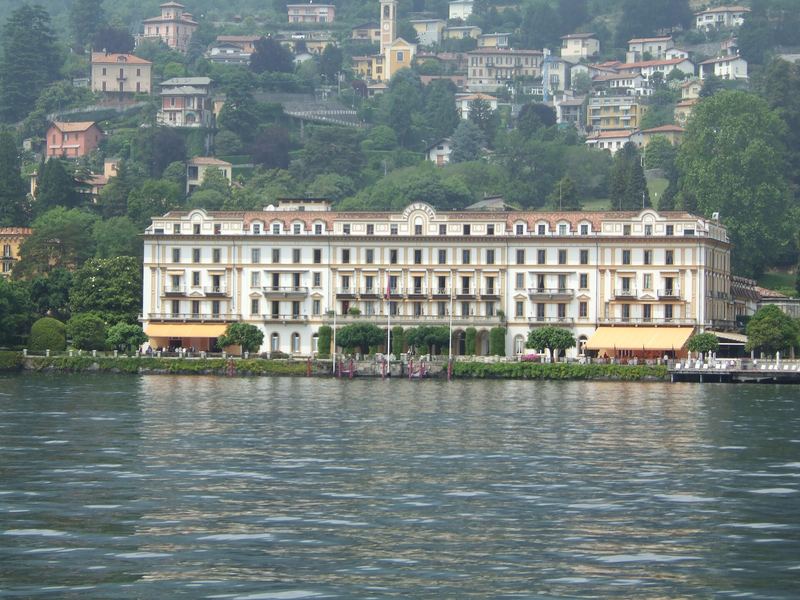
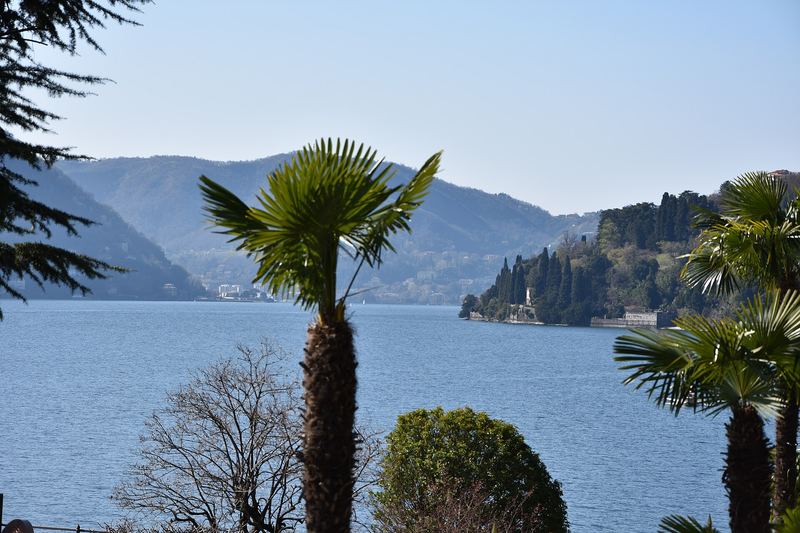
- Lake Como: Grand villas, terraced gardens and wooden motorboats framed by the Alps, about an hour from Milan. Stay at the historic Villa d'Este or the intimate Passalacqua and spend your days cruising between villages.
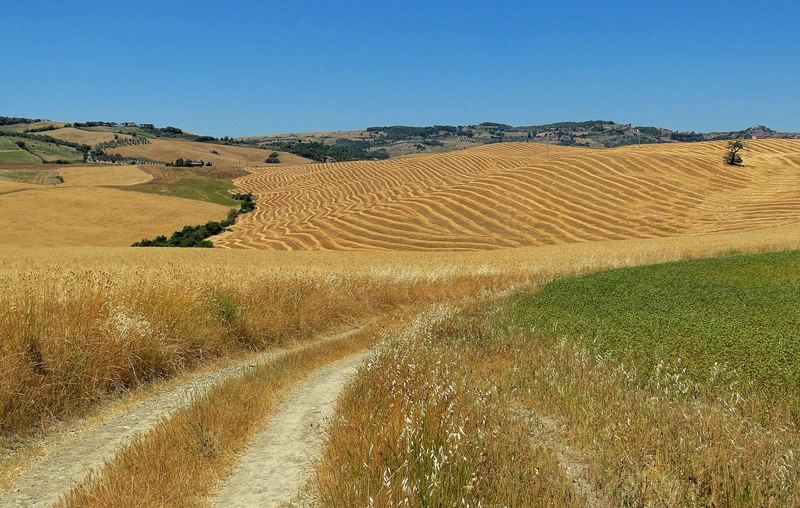
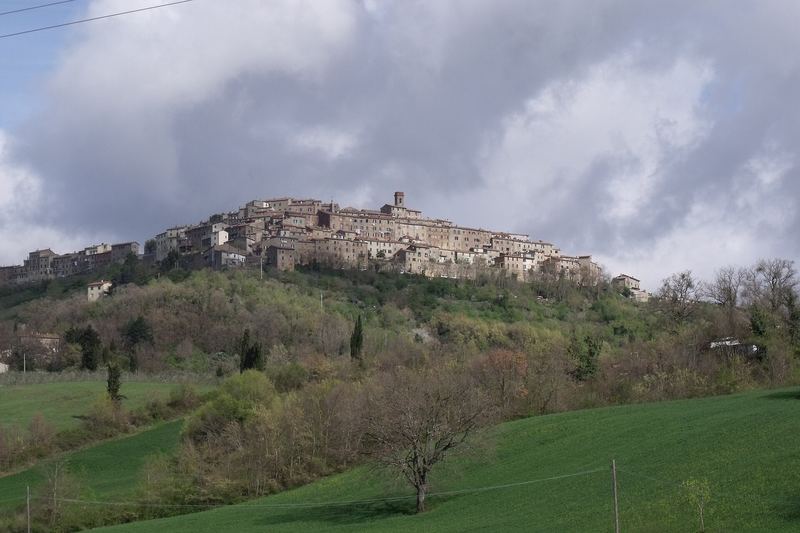
- Tuscany: Rolling vineyards, medieval hill towns and some of Italy's greatest wines. Base yourselves in the countryside, at a wine estate or a restored villa such as Borgo Santo Pietro, then day-trip to Siena, Florence and the Val d'Orcia.
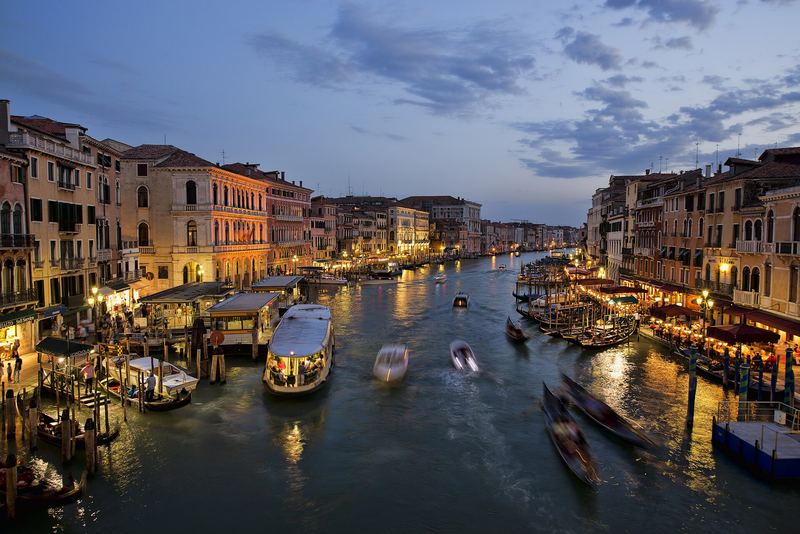
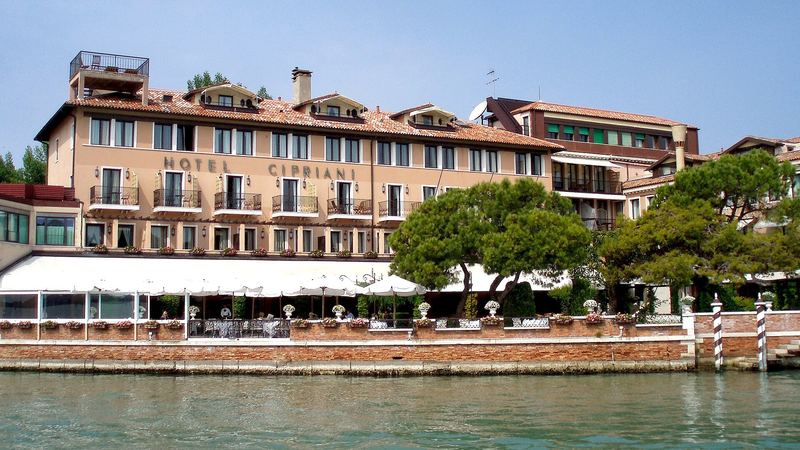
- Venice: The floating city of canals, palaces and gondolas. Stay at least two nights to enjoy it early and late, ideally somewhere offering calm, such as Hotel Cipriani on Giudecca, which is currently closed, so check before booking.
How Long to Stay & Sample Itinerary
Ten to fourteen nights is ideal for combining two to four regions without rushing. As a rule, allow at least three nights per base to avoid spending your honeymoon in transit. With a week, choose two regions.
A classic 13-night honeymoon might look like this:
- Nights 1 to 3, Venice: Fly into Venice, arrive by water taxi and explore by gondola and on foot.
- Nights 4 to 6, Lake Como: Train to Milan, then transfer to the lake for boat days and villa gardens.
- Nights 7 to 9, Tuscany: High-speed train to Florence, then on to a countryside estate for wine and hill towns.
- Nights 10 to 13, Amalfi Coast: Train to Naples or Salerno, then a driver to the coast for boat days and sunsets.
Fly home from Naples or Rome. Booking an open-jaw ticket, arriving in one city and departing from another, saves you from backtracking.
Budget & Costs
All figures are approximate and vary widely with season and booking timing. Luxury hotels in Italy's top honeymoon regions typically range from several hundred dollars per night at boutique properties to well over $1,500 per night at the most famous addresses in peak season, with suites far higher. Shoulder months like May and late September often offer better value than July and August.
Dining can be anything from a casual trattoria lunch to a Michelin-starred tasting menu, so plan a mix. Private boat days, drivers and guided tours add up quickly; budget for at least one or two splurge experiences per region. High-speed trains between cities are reasonably priced, especially if booked in advance. Remember that most cities and towns charge a nightly tourist tax, usually paid at your hotel. Venice also charges a day-tripper access fee on certain dates, from which overnight guests have generally been exempt.
Practical Tips for US Travelers
- Names: Book flights in the names exactly as they appear on your passports. If one of you is changing names after the wedding, travel on the current passport and update it once you are home.
- Safety: Italy is generally comfortable for couples, including after dark in busy historic centers. The main nuisance is pickpocketing on crowded trains, buses and around major sights, so keep phones and wallets zipped away.
- Currency: Italy uses the euro. Cards are widely accepted, but carry some cash for small cafes, tips and markets.
- Power: Italy uses 230V power and Type C, F and L plugs, so bring an adapter.
- Trains: High-speed trains connect Venice, Milan, Florence, Rome and Naples. Book ahead for the best fares. Validate paper tickets for regional trains before boarding.
- Driving: Driving is best avoided in cities and along the Amalfi Coast. If you rent a car in Tuscany, carry an International Driving Permit along with your US license and watch for camera-enforced ZTL zones in historic centers.
- Strikes: Transport strikes occasionally affect trains and ferries; check locally and keep some flexibility.
- Tipping: It is not expected the way it is in the US. Many restaurants add a coperto cover charge; rounding up or leaving a few euros for great service is appreciated.
Culture & Etiquette
Italians value courtesy and a sense of occasion. Greet shopkeepers and staff with a cheerful buongiorno or buonasera and say grazie often. Dressing well is appreciated, especially at dinner; churches including St. Mark's Basilica expect shoulders and knees to be covered, so carry a light scarf.
Dining follows its own rhythm. Lunch is often from about 1 to 3 p.m. and dinner rarely before 8 p.m. Meals are meant to be savored. Ordering a cappuccino is a morning ritual; after lunch, locals usually switch to espresso. In smaller towns, shops may close for a long afternoon break and on Sundays.
Finally, embrace the slower pace. Service can feel unhurried compared with the US, but that is part of the charm. In Italy, time spent at the table is never wasted.
Quick tips
- Many Amalfi Coast and Lake Como hotels close from about November to March.
- Use trains between cities and a private driver for the Amalfi Coast.
- Tipping isn't expected as in the US; a coperto (cover charge) is common.