Caribbean Honeymoons
Short flights, warm water and an island for every mood, from Grace Bay sand to the Pitons
The Caribbean is the honeymoon most Americans can reach before lunch. Nassau is about an hour from South Florida, Grand Cayman about 70 minutes from Miami and Bermuda about 90 minutes from New York. Puerto Rico and the U.S. Virgin Islands do not even need a passport.
The harder part is choosing among islands that look alike in photos and feel very different in person. Flat coral islands such as Turks & Caicos, Anguilla, Aruba and the Bahamas are about sand and turquoise water. Volcanic islands such as Saint Lucia, Dominica, Nevis and Grenada are steep, green and full of waterfalls. The French islands of Martinique, Guadeloupe and Saint Martin bring bakeries and long lunches, while Curaçao and Bonaire are dry, Dutch and built around reefs a few steps from shore.
Start with the kind of days you want, then check the calendar. Hurricane season runs from June through November, with the greatest risk from August to October, but a few islands sit below the main storm track.
Caribbean covers 26 countries and territories on Honeymoon Huts, with 73 destination guides and 57 hand-picked stays. The months when the most places here hit their best weather are March, April and February.
Start with the most popular picks below, then browse every country. Each country page covers flights, the best time to go and where to stay.

Caribbean A to Z
Anguilla
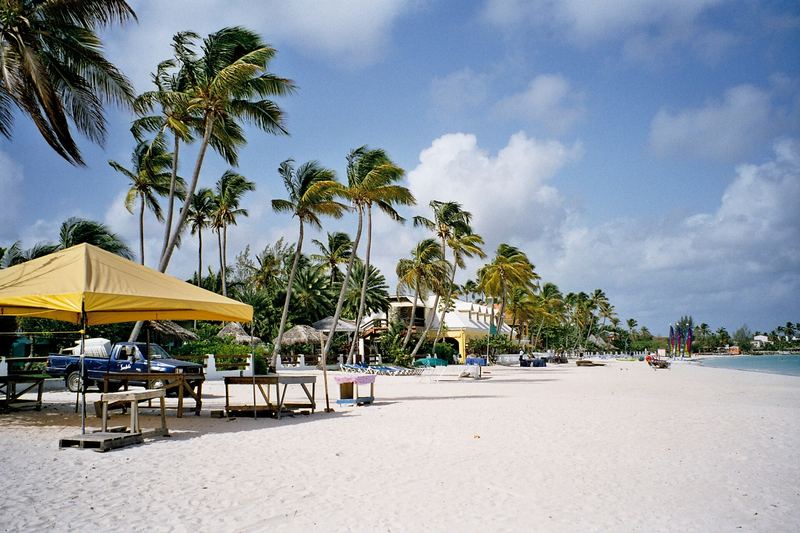
Antigua

Aruba
Bahamas
Barbados
Bermuda
Bonaire
British Virgin Islands
Cayman Islands
Curaçao

Dominica
Dominican Republic
Grenada
Guadeloupe
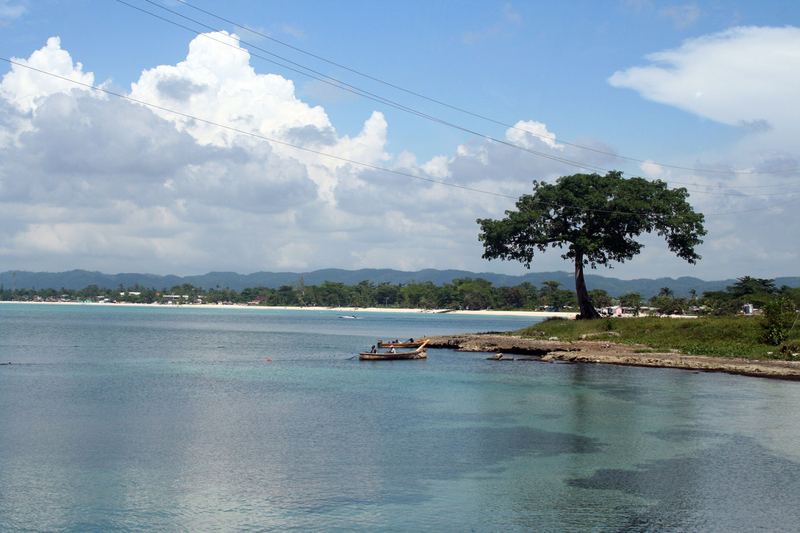
Jamaica
Martinique

Montserrat
Puerto Rico

Saint Kitts and Nevis
Saint Lucia
Saint Martin
Saint Vincent and the Grenadines
Sint Maarten
Trinidad and Tobago
Turks & Caicos

U.S. Virgin Islands
Antigua: Southwest Coast, Barbuda
Aruba: Eagle Beach, Palm Beach
Bahamas: Abaco, Andros, Eleuthera, Exuma, Harbour Island, Long Island, Nassau and Paradise Island
Barbados: Barbados South Coast, Barbados West Coast, Bathsheba & the East Coast
Bermuda: Bermuda's South Shore
British Virgin Islands: Anegada, Jost Van Dyke, Tortola, Virgin Gorda
Cayman Islands: Cayman Brac, Grand Cayman, Little Cayman
Dominican Republic: La Romana and Bayahibe, Miches, Puerto Plata and the North Coast, Punta Cana, Samaná Peninsula, Santo Domingo
Grenada: Carriacou, Grand Anse, La Sagesse & St. David's
Guadeloupe: Deshaies, Les Saintes
Jamaica: Negril, Montego Bay, Ocho Rios, Blue Mountains, Oracabessa, Port Antonio, Treasure Beach
Martinique: Saint-Pierre, Martinique, Sainte-Anne, Martinique
Puerto Rico: Culebra, Dorado, El Yunque and Río Grande, Rincón, San Juan, Vieques
Saint Kitts and Nevis: Nevis, St. Kitts
Saint Lucia: Soufrière, Gros Islet & Rodney Bay, Castries & Choc Bay, Marigot Bay
Saint Vincent and the Grenadines: Bequia, Canouan, Mustique
Trinidad and Tobago: Grande Riviere, Tobago
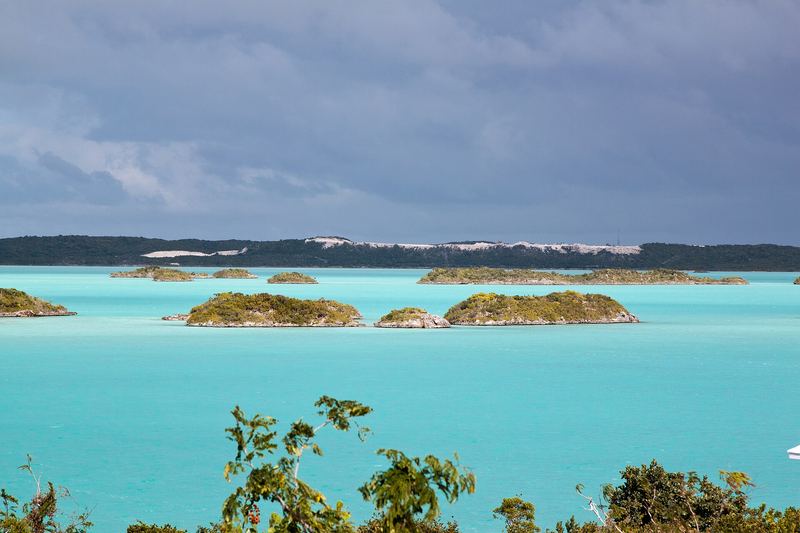
Turks & Caicos: Grace Bay, Parrot Cay, North & Middle Caicos, South Caicos
How to Choose a Caribbean Island
Most islands fall into one of four moods.
- Beach and lagoon: Turks & Caicos, Anguilla, Aruba, the Bahamas and the Cayman Islands. Flat, bright and easy, with the best sand in the region.
- Volcano and rainforest: Saint Lucia, Dominica, Saint Kitts and Nevis, Grenada and Saint Vincent and the Grenadines. Fewer long beaches, more hikes, hot springs and views.
- Sailing and small islands: the British Virgin Islands and the Grenadines, where the boat is half the trip.
- Culture and food: Puerto Rico, Curaçao, Martinique, Guadeloupe and Barbados, with old towns, rum and serious kitchens.
All-inclusive couples tend to land in Jamaica, the Dominican Republic or Antigua. Couples who want to rent a car and explore do well on Barbados, Puerto Rico or Grenada. Couples who never want to see a crowd should look at Little Cayman, Anegada or Barbuda.
Best Time to Go: Dry Season and Hurricanes
Mid-December to April is the dry, breezy high season almost everywhere, with the highest rates over the holidays. May and June are often the best value, with good weather and lower prices.
Hurricane season runs June through November. Direct hits on any one island are not common, but August to October carries the most risk, so buy travel insurance for those months. Aruba, Bonaire and Curaçao lie south of the main hurricane belt, which makes them the safest late-summer picks. Grenada and Trinidad and Tobago sit near its southern edge, which lowers the odds without removing them.
Bermuda runs on its own calendar. It sits far north in the Atlantic, so May to August is its warm beach season and winter is cool.
Western Jamaica was hit hard by Hurricane Melissa in October 2025. Confirm that your resort in Negril or Montego Bay has reopened before you book.
Best for Beaches
Grace Bay in Turks & Caicos is the benchmark: three miles of powder sand and water in every shade of turquoise, with Parrot Cay a short boat ride away for total privacy. Meads Bay on Anguilla is a mile of calm white sand with dinner a barefoot walk away. Eagle Beach on Aruba has soft sand, two famous trees and no high-rises.
For something different, Harbour Island in the Bahamas has three miles of pink sand, while Bermuda's South Shore strings pink coves between limestone arches. Exuma is a chain of cays where the boat is your car. Culebra in Puerto Rico is one town, no stoplights and a beach that stops people mid-sentence.
Grand Cayman offers Seven Mile Beach and stingrays at your feet. The Barbados West Coast has glassy water and tables set right above the sea. Negril pairs soft sand with sunset cliffs.
Best for Rainforest, Volcanoes and Adventure
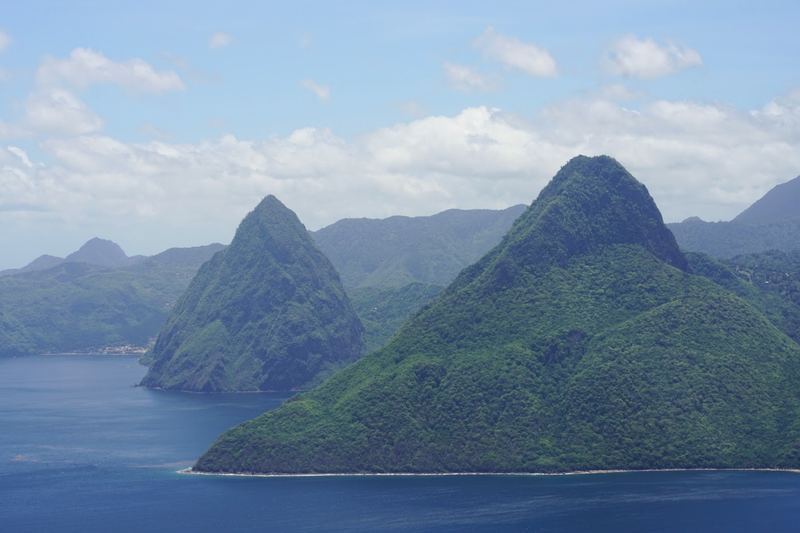
Soufrière in Saint Lucia is the most cinematic stop in the region, with open-air suites facing the twin Pitons, a drive-in volcano and chocolate estates nearby. Dominica is the wildest island: the Roseau Valley has twin waterfalls, sulfur soaks and a lake that boils. Sperm whales live offshore.
St. Kitts has a volcano to climb and a fortress to explore, while Nevis has old sugar estates under a cloud-wrapped peak. Saint-Pierre, Martinique sits below a living volcano with rum estates on its slopes. On Jamaica, Ocho Rios is the waterfall town and Port Antonio is the rainy, romantic east end where rivers run into the sea.
The Samaná Peninsula in the Dominican Republic adds winter whale watching. Montserrat, reached from Antigua, lets you see a buried capital and its active volcano from a safe distance at Little Bay.
Best for Food and Culture
Grand Case on Saint Martin may have the best dinner reservations in the Caribbean, one seafront street of French and Creole kitchens beside roadside lolos. Sainte-Anne, Martinique adds calm water and Creole cooking at the island's southern tip. Les Saintes and Deshaies in Guadeloupe feel like French fishing villages that happen to be tropical.
San Juan is a 500-year-old walled city with a beach strip ten minutes away. Willemstad on Curaçao has candy-colored Dutch gables and a swinging pontoon bridge. The Barbados South Coast has Friday fish fries and boardwalk sunsets, while Grand Anse sits beside Grenada's red-roofed capital, with nutmeg on the breeze.
Jamaica's Boston Bay, near Port Antonio, is said to be the birthplace of jerk. Roadside pits there still smoke pork and chicken over pimento wood.
Easiest From the US
No passport is needed for Puerto Rico or the U.S. Virgin Islands. A REAL ID-compliant license works for the flight to San Juan, St. Thomas or St. Croix. San Juan alone has nonstops from more than 30 mainland cities.
The shortest flights go to the Bahamas, about an hour from South Florida, Grand Cayman at about 70 minutes from Miami, Turks & Caicos at about 90 minutes from Miami and Bermuda at about 90 minutes from New York. Aruba, Sint Maarten and Punta Cana have nonstops from many US cities in roughly 2.5 hours from Miami.
Smaller islands take more effort. Anguilla is usually a short boat ride from St. Maarten. Many couples reach Mustique, Canouan or Bequia through Barbados. Montserrat is reached through Antigua.
Outside the US territories, bring your passport. Entry and visa rules depend on your citizenship and can change at short notice, so check the official government website before you book.
Budget Picks and Splurges
The Dominican Republic is the region's value leader. Good midrange all-inclusives in Punta Cana or La Romana and Bayahibe often start around $250 to $450 a night for two. Puerto Rico is close behind, with good San Juan and Vieques guesthouses around $180 to $350 and cheap flights from the East Coast. Jamaica's couples-only all-inclusives often run about $400 to $1,000, usually with tips, taxes and transfers included.
At the top, Anguilla's best resorts generally start around $800 to $1,500 a night in high season. Mustique villas usually start well above $1,000, Canouan's resort is priced at the top of the market and Parrot Cay is a private island with one resort. The Bahamas adds VAT and resort fees, so compare final totals.
Rates on most islands drop sharply from May through November.
Safety and Travel Advisories
Most of the Caribbean sits at Level 1 or Level 2. A few countries in the region are under Do Not Travel advisories and are not covered on our site.
- Trinidad and Tobago is Level 3, Reconsider Travel, for crime, terrorism and limited rural health care, with a nationwide state of emergency declared in March 2026. Weigh this before booking Tobago or Grande Riviere.
- Several popular islands are Level 2, Exercise Increased Caution: the Bahamas (crime concentrated in Nassau and Freeport), the Dominican Republic, Jamaica and Grenada. Use licensed taxis or hotel drivers after dark and book tours through your hotel.
Puerto Rico and the U.S. Virgin Islands are US territories with no advisory. For Turks & Caicos, Saint Lucia and Antigua, check the current level on travel.state.gov.
Atlantic-facing beaches such as Bathsheba on Barbados look inviting but have strong currents, so swim on the calmer Caribbean side. Dengue and other mosquito-borne illnesses circulate across the islands, so pack repellent and, if you're pregnant or hoping to be soon, check CDC travel health notices for your island. Virgin Islands and the French and Dutch islands. Jamaica and parts of the Eastern Caribbean are more conservative, so discretion in public is wise there.
Combining Islands
Island hopping works best where boats or short flights do the linking.
- St. Thomas and St. John: a short ferry apart. St. John is mostly national park. Add a day sail to the BVI with your passport.
- Tortola, Virgin Gorda and Anegada: the classic charter route, close enough to sail between before lunch.
- Bequia and Canouan: hop the Grenadines by small plane or ferry, with a day sail to the Tobago Cays.
- Grand Anse and Carriacou: Grenada's two islands, a lively beach then a sleepy one.
- St. Kitts and Nevis: two volcanoes about two miles of water apart.
- Simpson Bay, Grand Case and Meads Bay: two nations on one island, plus Anguilla a short boat ride away.
- Grand Cayman and Little Cayman: polished, then barefoot, with a reef wall dropping into deep blue.
Caribbean Honeymoon FAQ
Which Caribbean islands are best for a honeymoon?
For beaches, Turks & Caicos, Anguilla and Aruba lead. For scenery and adventure, choose Saint Lucia or Dominica. For sailing, the British Virgin Islands or the Grenadines. For food and culture, look at Saint Martin, Martinique or Puerto Rico. For all-inclusive ease, Jamaica, the Dominican Republic and Antigua are reliable picks.
Can we honeymoon in the Caribbean without a passport?
Yes. Puerto Rico and the U.S. Virgin Islands are US territories, so a REAL ID-compliant license or other accepted photo ID works for the flight. San Juan, Culebra, Vieques, St. Thomas, St. John and St. Croix are all options. You will need a passport for any day trip to the British Virgin Islands.
Is it safe to honeymoon in the Caribbean during hurricane season?
Many couples do, especially in June, July and November, when risk is lower and rates are cheaper. August to October carries the highest risk. Aruba, Bonaire and Curaçao lie south of the main hurricane belt. Buy travel insurance and choose a resort with a flexible rebooking policy.
What is the quietest Caribbean island for a honeymoon?
Little Cayman, Anegada, Barbuda and Carriacou are among the quietest we cover, with a handful of places to stay and empty beaches. Nevis and Bequia are slightly busier but still slow. Mustique offers privacy at the luxury end, with about 120 villas and golf carts instead of traffic.
Which Caribbean islands have travel advisories?
Trinidad and Tobago is Level 3 (Reconsider Travel). The Bahamas, the Dominican Republic, Jamaica and Grenada are Level 2. Most other islands we cover are Level 1. A few countries in the region are under Do Not Travel advisories and are not covered on our site. Check travel.state.gov for the latest before you book.
Where can we see turtles or whales in the Caribbean?
Grande Riviere in Trinidad sees giant leatherback turtles come ashore by the hundreds, though the country carries a Level 3 advisory. The Samaná Peninsula in the Dominican Republic has humpback whales every winter. Dominica is known for sperm whales offshore, while Grand Cayman lets you stand among stingrays.