South Pacific Honeymoons
Overwater bungalows, village feasts and whale songs across the biggest ocean on earth
The South Pacific is less a region than an ocean dotted with small countries. Distance shapes every plan. Bora Bora and Fiji are a single overnight flight from California. Wallis Island, Funafuti or Kiritimati mean building a trip around one or two flights a week.
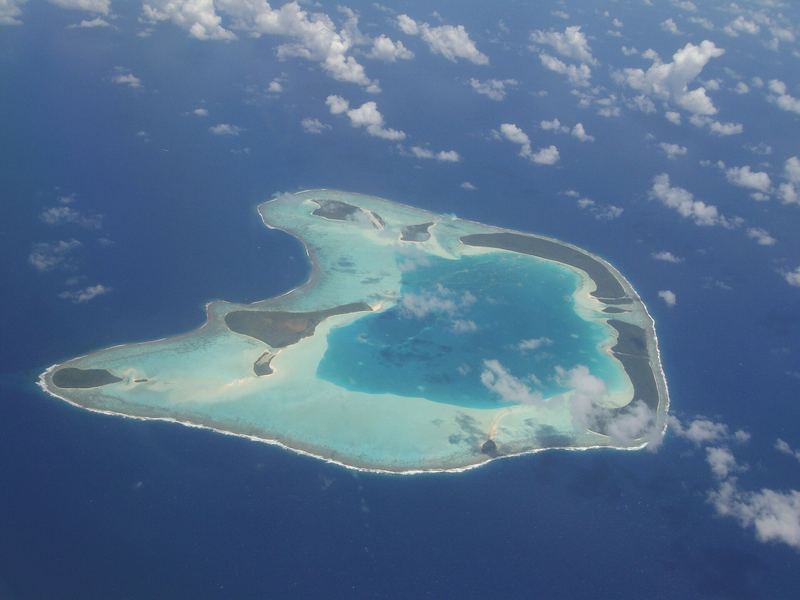
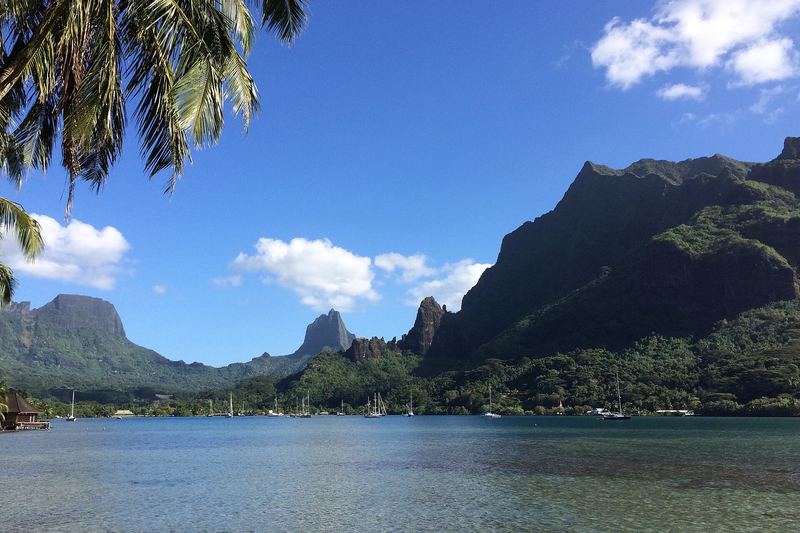
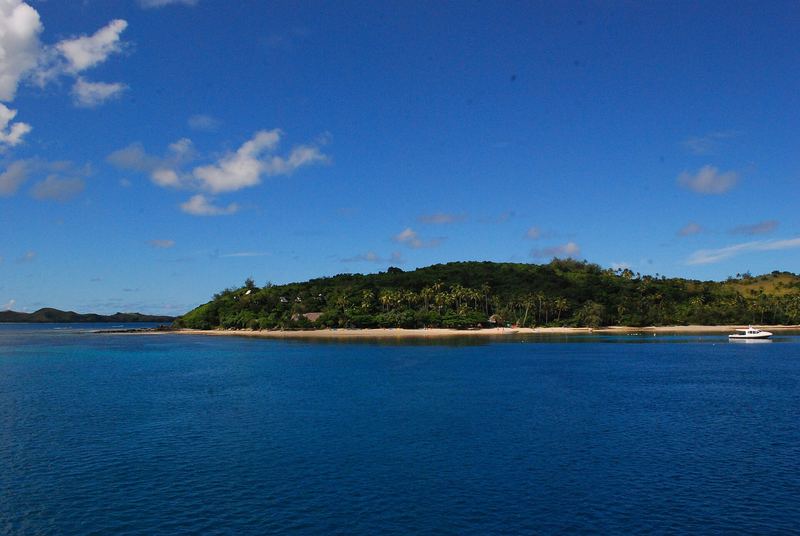
That spread gives couples real choice. French Polynesia is the classic: Bora Bora, Moorea and Tetiaroa, with bungalows over lagoons and breakfast by canoe. Fiji is warmer in spirit and wider in price, from Mamanuca Islands resorts a short hop from Nadi to the wild reefs of Kadavu. The Cook Islands give Bora Bora blues on Hawaii time, with far fewer people. Samoa and Tonga trade luxury for beach fales, Sunday feasts and humpback whales. Vanuatu has a live volcano you can stand beside. North of the equator, Palau, Guam and the Northern Mariana Islands are reached through Honolulu and Guam rather than Los Angeles.
Choose your gateway first, then your island.
South Pacific covers 19 countries and territories on Honeymoon Huts, with 37 destination guides and 22 hand-picked stays. The months when the most places here hit their best weather are September, May and August.
Start with the most popular picks below, then browse every country. Each country page covers flights, the best time to go and where to stay.

South Pacific A to Z

American Samoa
Cook Islands
Fiji
French Polynesia
Guam
Kiribati
Marshall Islands

Micronesia (FSM)
New Caledonia
Niue

Norfolk Island
Northern Mariana Islands
Palau
Samoa
Solomon Islands
Tonga
Tuvalu

Vanuatu
Wallis and Futuna
Cook Islands: Aitutaki, Rarotonga
Fiji: Mamanuca Islands, Yasawa Islands, Northern Fiji, Coral Coast, Denarau Island, Kadavu, Pacific Harbour and Beqa Lagoon
French Polynesia: Bora Bora, Moorea, Tetiaroa, Fakarava, Huahine, Rangiroa, Taha'a, Tahiti
Kiribati: Kiritimati (Christmas Island)
New Caledonia: Isle of Pines, Loyalty Islands
Norfolk Island: Kingston, Norfolk Island
Northern Mariana Islands: Saipan
Solomon Islands: Marovo Lagoon
How to Choose: Start With the Gateway
Almost every South Pacific trip runs through one of four hubs. Each one opens a different set of islands.
- Papeete, Tahiti: nonstops from Los Angeles and San Francisco in about 8 to 9 hours. Short flights or ferries then reach Bora Bora, Moorea, Taha'a and Rangiroa.
- Nadi, Fiji: nonstops from Los Angeles and San Francisco in about 10 to 11 hours. Regional flights continue to Tonga, Vanuatu, Samoa, Tuvalu and Wallis and Futuna.
- Auckland or Brisbane: the routes to Niue, New Caledonia, the Solomon Islands and Norfolk Island.
- Honolulu and Guam: United's flights to Guam and the Island Hopper to the Marshall Islands and Micronesia (FSM), plus less frequent flights south to Rarotonga, Apia and American Samoa.
If you have ten days or less, stay on the Papeete or Nadi side, where one long flight gets you to the beach. Islands that need two or three connections reward a longer trip.
Best Time to Go
South of the equator, the calendar is simple. May to October is the dry season across French Polynesia, Fiji, the Cook Islands, Samoa, Tonga, Vanuatu and New Caledonia, with lower humidity and steady trade winds. July and August are busiest, because Australian and New Zealand families travel then. November to April is hotter, wetter and cyclone season. Fiji averages roughly one cyclone a year, while serious storms are less common in the Society Islands.
Whale season adds a reason to aim for the second half of the dry season. Humpbacks calve in Vava'u from about July to October and pass the reef at Alofi on Niue in the same months.
North of the equator the pattern flips. The Rock Islands in Palau, Yap and Majuro are best from about December to April. Guam watches for typhoons from August to November and the Northern Mariana Islands from July to December, so Tumon Bay and Saipan are strongest in the first half of the year.
Best for Overwater Bungalows
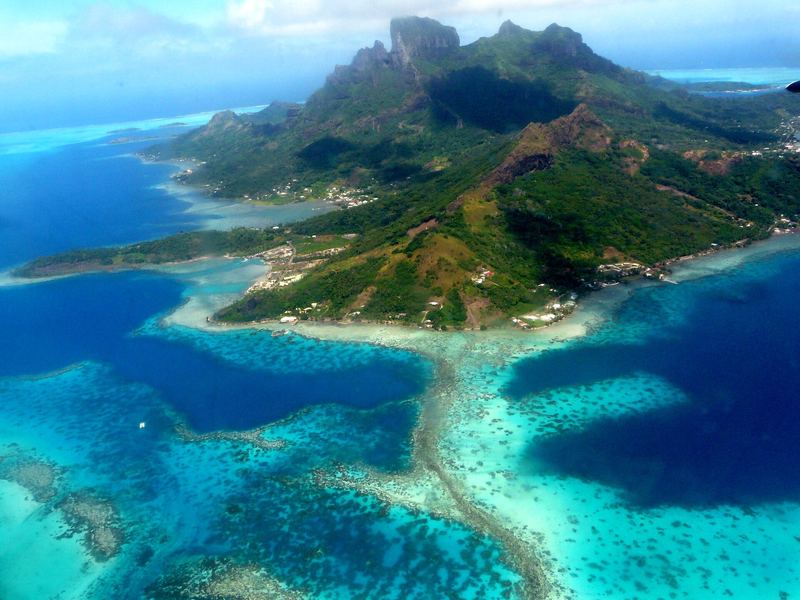
Bora Bora is still the image most couples carry, a lagoon of a hundred blues circling Mount Otemanu. Book a bungalow facing the mountain if you can. Moorea, half an hour by ferry from Papeete, has the same lagoon life with more to do on land, from pineapple valleys to ridge hikes. Taha'a shares a lagoon with Raiatea and looks across at Bora Bora's peak from sandy motus. Tetiaroa is the private atoll once owned by Marlon Brando, now home to a single resort.
Outside French Polynesia the options narrow but do exist. Aitutaki in the Cook Islands has a private-island resort with overwater villas on a lagoon that photographs never quite capture. In Fiji, the Mamanuca Islands have the sunniest lagoons and transfers short enough to be swimming before lunch.
Couples who prefer sand under the floor often do better in the Yasawa Islands or on the Isle of Pines, where the resorts sit on beaches rather than over the water.
Best for Village Life and Culture
Some of the most memorable Pacific honeymoons skip resorts entirely.
In Samoa, you sleep in an open-sided beach fale on Upolu or Savai'i, swim in the To Sua Ocean Trench and join a Sunday umu feast cooked in a stone oven. Tonga is the Pacific kingdom that was never formally colonized; on Tongatapu you can stay on a coral islet in the lagoon, then watch the blowholes on the south shore.
Vanuatu mixes kava bars with Tanna's Mount Yasur, where you stand on the crater rim at dusk. On Yap in Micronesia (FSM), stone money still lines the village paths. The Loyalty Islands in New Caledonia move at the pace of Kanak tribes. Fiji's kava ceremonies are a highlight of any stay (cover shoulders and knees).
Sundays matter almost everywhere. Shops close and village beaches may close too, as on Tutuila in American Samoa. A quiet day of church and rest is part of the experience.
Best for Diving, Whales and Volcanoes
The South Pacific holds some of the best water on the planet.
- Rangiroa: a vast Tuamotu atoll where dolphins surf the pass and the lagoon runs past the horizon.
- Rock Islands: hundreds of jungle-capped limestone domes in Palau, with famous wall dives offshore.
- Kadavu: the Great Astrolabe Reef and mantas, on a Fijian island with barely any roads.
- Northern Fiji: the soft coral of the strait between Taveuni and Vanua Levu, plus waterfalls inland.
- Marovo Lagoon: a double barrier reef in the Solomon Islands, with forested islets and carving villages.
- Vava'u: the place to swim with humpback whales and their calves, with licensed operators.
- Espiritu Santo: Vanuatu's blue holes, white beaches and wartime wrecks.
- Fakarava: a Tuamotu atoll and UNESCO biosphere reserve whose south pass fills with gray reef sharks.
For a volcano at close range, nothing beats Tanna. For an empty atoll, Kiritimati (Christmas Island) and Funafuti are about as remote as a honeymoon gets.
Budget Picks and Splurges
The top of the market is very high. Bora Bora overwater bungalows often range from around a thousand to several thousand dollars a night. The Brando on Tetiaroa sits above that, though it includes dining and many activities. Fiji's upscale boutique resorts run roughly $700 to $1,500 a night for two, with private islands much higher. Remember island transfers, which can cost several hundred dollars per person by seaplane or helicopter.
The value is further down the map. Moorea resorts are often noticeably cheaper than Bora Bora for a similar lagoon. On Rarotonga, beachfront bungalows commonly cost about $200 to $450 a night. A traditional beach fale in Samoa can cost well under $100 a night per couple, usually with breakfast and dinner. Comfortable lodges in Vava'u run around $200 to $400.
A popular approach is to spend most nights somewhere affordable, then finish with three nights of splurge.
Safety and Travel Advisories
Most of the South Pacific is low risk for visitors, with nature posing more danger than crime.
- The Solomon Islands are Level 2 for health risks, unexploded WWII ordnance, crime and civil unrest.
- New Caledonia is Level 2, lowered from Level 3 in May 2026.
- Wallis and Futuna falls under the France advisory at Level 2, which mainly reflects mainland France.
- Palau is Level 1 with increased caution for the Rock Islands, Peleliu and outlying islands.
Guam, the Northern Mariana Islands and American Samoa are US territories, so no advisory applies. For French Polynesia and Fiji, check travel.state.gov before booking. Wherever you go, buy travel insurance that covers interisland flights, since cyclones and small schedules can cause delays.
Village life is conservative. In Samoa, Tonga and Fiji's villages, both of you should cover shoulders and knees. Keep swimwear for resort beaches. Dengue outbreaks are common across the islands, so if you're pregnant or hoping to be soon, check CDC travel health notices for your destination.
Combining Islands
Two-island trips are the norm here, ideally within one country or one hub.
- Moorea and Bora Bora: hikes and rays first, then the bungalow. Add Taha'a or Rangiroa if you have time.
- Rarotonga and Aitutaki: a 50 minute Air Rarotonga flight apart, from a lively island to a quiet lagoon.
- Upolu and Savai'i: linked by a 60 to 90 minute ferry, busy days first, slow days after.
- Fiji and a neighbor: pair the Mamanuca Islands with Tanna or Espiritu Santo in Vanuatu, or with Vava'u in Tonga, all through Nadi.
- Isle of Pines and the Loyalty Islands: short flights from Nouméa, two different sides of New Caledonia.
- Guam and Saipan: about 45 minutes apart by air, both reachable without a passport on a domestic routing.
- Palau and Yap: both connect through Guam for a western Pacific diving trip.
Air Tahiti Nui's Papeete connection also makes French Polynesia and the Cook Islands a workable pairing.
South Pacific Honeymoon FAQ
Which is easier from the US, Fiji or French Polynesia?
Both have nonstops from Los Angeles and San Francisco. Papeete is closer at about 8 to 9 hours and shares Hawaii's time zone, so jet lag is mild. Fiji takes about 10 to 11 hours and you cross the date line. Fiji usually costs less, while French Polynesia has more overwater bungalows.
When is the best time for a South Pacific honeymoon?
For the islands south of the equator, May to October is the dry season, with July and August the busiest. November to April is wetter and cyclone season, though rates drop. North of the equator, Palau, Yap and Majuro are best from about December to April.
Is there a cheaper alternative to Bora Bora?
Yes. Moorea has a similar lagoon with resorts that are often noticeably cheaper. The Cook Islands give you the same turquoise water with comfortable bungalows on Rarotonga at about $200 to $450 a night. Samoa is cheaper again, with beach fales well under $100 a night including meals.
Can we swim with whales in the South Pacific?
Yes, in Tonga. Humpback whales calve in the sheltered channels of Vava'u from about July to October, with the most sightings usually in August and September. Book lodging and licensed whale swim tours several months ahead. Whales also pass close to Niue in the same season.
Which South Pacific islands can we visit without a passport?
Guam and the Northern Mariana Islands accept a REAL ID-compliant license on a domestic routing through Honolulu, so Tumon Bay and Saipan work without a passport. American Samoa runs its own border control, so bring a US passport there. Everywhere else in the region needs one.
Are any South Pacific countries unsafe to visit?
None of the countries with advisory notes on our pages sits above Level 2. The Solomon Islands, New Caledonia and Wallis and Futuna are Level 2 and most others are Level 1, where cyclones and reef cuts are the bigger concern. Check travel.state.gov for Fiji and French Polynesia before you book.