Why Finland for Your Honeymoon
Finland offers a rare combination: genuine wilderness and genuine comfort. You can spend the day mushing a husky team through untouched snow and the night in a heated glass igloo with a private sauna, a hot shower and a gourmet dinner waiting.
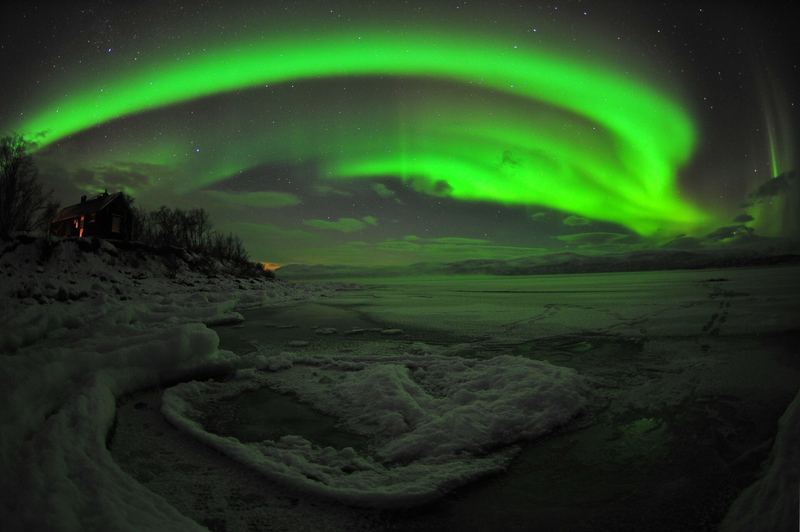
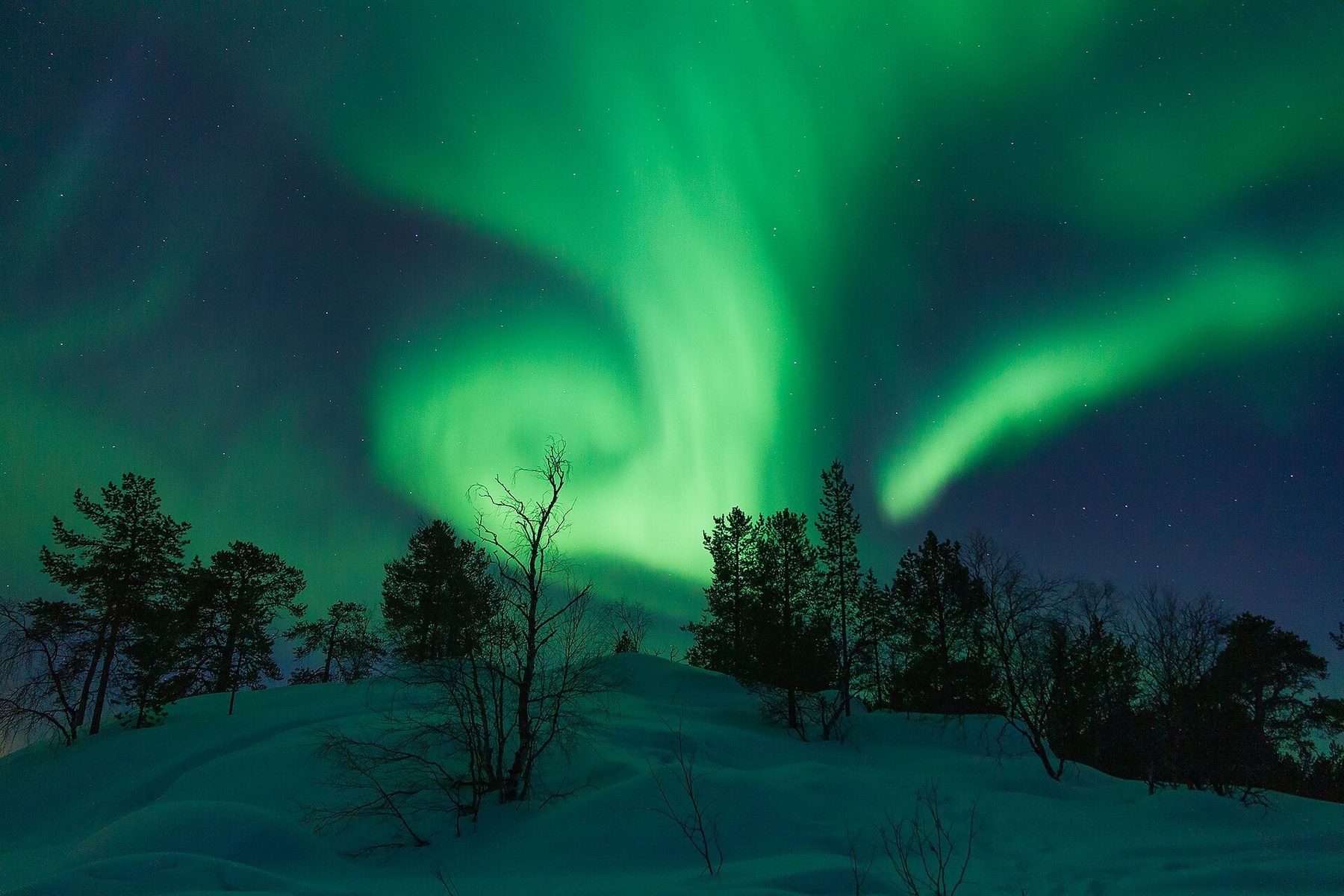
The aurora is the headline act. Finnish Lapland lies beneath the auroral oval, giving it some of the best northern lights odds in the world. The country also pioneered watching them from bed.
Finland is also safe, clean, efficient and easy to navigate. English is widely spoken and public transport works beautifully. The hospitality is warm without being fussy. Finns appreciate peace and personal space, which translates into lodges where privacy is a given.
Who should pick elsewhere? Couples who want warmth, beaches or nightlife. Winter days in Lapland are short and cold. The aurora is never guaranteed.
Finally, it feels different. Sámi culture, reindeer herding traditions and a deep connection to nature give Finnish Lapland a strong identity that stays with you long after you have returned home.
Best Time to Visit
Finland's seasons are dramatic, so the best time depends on what you want.
Winter, roughly December to March, is peak season for Lapland. December brings the polar night and Christmas markets, though daylight is very limited. January is cold, dark and atmospheric. February and March are the sweet spot for honeymoons: deep snow, longer days for outdoor activities and excellent aurora chances.
Autumn, from late August to October, offers ruska (the vivid fall foliage of the fells), mild weather and the first auroras of the season, reflected in unfrozen lakes.
Summer, June to August, is the time of the midnight sun. Lapland barely gets dark and Helsinki's waterfront buzzes. Meanwhile the lakes of central Finland suit cabin and sauna escapes. You will not see the aurora, but you will enjoy endless golden evenings.
April and May are quieter transition months. Some Lapland lodges close for part of late spring.
Top Honeymoon Destinations
We cover three Finnish destinations: Lapland for winter, the Lakeland for summer and Helsinki for either.
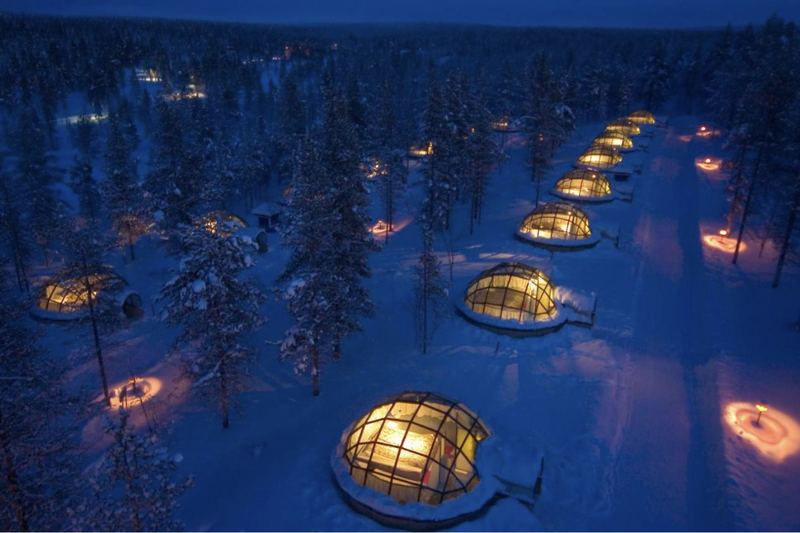
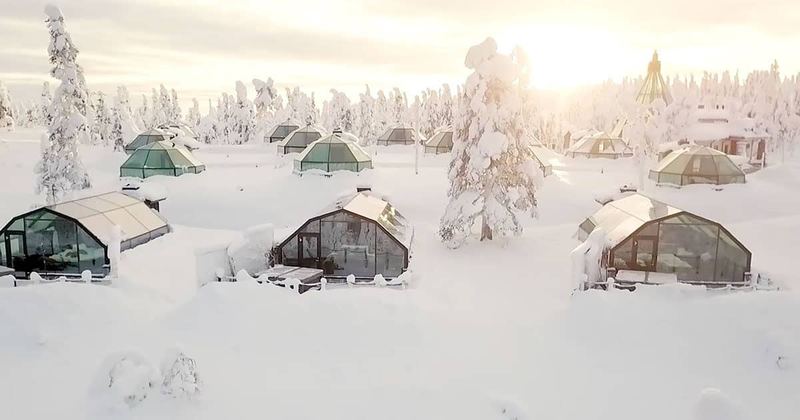
Finnish Lapland spans everything from the ski villages of Levi and Ylläs to the wilderness around Saariselkä and the regional capital of Rovaniemi on the Arctic Circle. Each hub has its own character. Saariselkä is the gateway to Urho Kekkonen National Park and home to Kakslauttanen Arctic Resort, the original glass igloo village. Levi is lively, with ski slopes, restaurants and boutique stays such as Levin Iglut, whose hilltop glass igloos look out over a forested valley. Rovaniemi is the most accessible, with an airport minutes from the Arctic TreeHouse Hotel's design suites and a vast menu of safaris.
The Finnish Lakeland, around the vast Saimaa lake system, is the summer choice: a red cottage with its own sauna and dock, Savonlinna's island castle and canoe trails where you may spot a rare Saimaa ringed seal.
Many couples also add a night or two in Helsinki, a compact, design-loving capital with excellent restaurants, waterfront saunas and the island fortress of Suomenlinna.
How Long to Stay & Sample Itinerary
A week is ideal for a Finnish honeymoon, allowing time for jet lag, a city stop and several aurora nights.
Sample 8-day winter itinerary:
Day 1: Arrive in Helsinki. Stroll the harbor, then warm up at a public sauna by the sea.
Day 2: Explore the Design District and Suomenlinna, then enjoy a New Nordic tasting menu.
Day 3: Fly to Rovaniemi. Check into a design suite and take an evening aurora tour.
Day 4: Husky safari and a visit to a reindeer farm.
Day 5: Drive or transfer north to Saariselkä or Levi and settle into your glass igloo.
Day 6: Snowshoeing, smoke sauna and ice swimming.
Day 7: Snowmobile safari or cross-country skiing, with a farewell dinner.
Day 8: Fly home via Helsinki.
With less time, skip Helsinki and spend four nights in one Lapland base for the best aurora odds.
Budget & Costs
Finland is not a budget destination, especially in Lapland during peak winter. All figures below are approximate and vary by season.
Accommodation: glass igloo and design hotel stays typically range from several hundred dollars per night to well over a thousand for suites in December and February. Shoulder months are often noticeably cheaper.
Activities: guided safaris such as husky rides, snowmobile tours and aurora hunts commonly cost from roughly $150 to $400 or more per person, depending on length.
Dining: many igloo resorts sell half-board packages; otherwise, plan for upscale dinners similar to US big-city prices.
Flights: round-trip fares from the US to Helsinki vary widely; domestic flights to Lapland add to the cost.
To save, travel in early December, March or the autumn ruska season. Book activity bundles and mix one splurge night with more modest stays.
Practical Tips for US Travelers
Entry and visa rules depend on your citizenship and can change at short notice, so check the official government website before you book.
The currency is the euro. Cards are accepted almost everywhere, including for small purchases. Contactless payment is common. Tipping is not expected, though rounding up for excellent service is appreciated.
English is widely spoken, particularly in tourism. The official languages are Finnish and Swedish.
Finland uses Type C and F plugs at 230 volts, so bring an adapter.
For winter, pack warm, breathable layers: merino base layers, a fleece, an insulated waterproof jacket and pants, wool socks, a hat, a neck gaiter and mittens. Many lodges and tour operators provide thermal overalls and boots.
At the larger glass igloo villages, units can sit close together. Ask for one on the edge of the village for privacy. Sign up for the aurora wake-up alert so neither of you has to keep watch.
Lapland lodges are remote, so book transfers and key activities in advance. Allow buffer time for weather-related travel delays.
Culture & Etiquette
Finns value honesty, punctuality and quiet. Small talk is less common than in the US and silence is comfortable rather than awkward, so do not be surprised if conversations are calm and direct.
The sauna is central to Finnish life. In public saunas, people often bathe nude in single-gender sessions, while mixed saunas usually require swimsuits. Shower before entering, sit on a towel and feel free to toss water on the stones, called löyly, if others agree. Alternating with a cold plunge or a roll in the snow is part of the tradition.
In Lapland, respect Sámi culture. The Sámi are Europe's only Indigenous people. Their traditions, language and reindeer herding are integral to the region. Choose tours led or endorsed by Sámi communities. Avoid buying souvenirs that imitate Sámi dress or symbols.
Finally, respect nature. Everyman's right allows broad access to the outdoors, but leave no trace.
Quick tips
- Aurora season runs roughly late August to early April; clear, dark nights are best.
- Pack serious thermal layers; many lodges rent snowsuits and boots.
- In December there are only a few hours of twilight; February–March pairs aurora with more daylight.