Mexico & Central America Honeymoons
Cenotes, cloud forest, reef cayes and colonial towns, most of them a short nonstop flight from home.
For most American couples, this is the closest place to feel properly abroad without a long-haul flight. Cancún, Los Cabos, Liberia, Belize City and Panama City are a few hours from major US hubs, the time difference is small or zero and US dollars are welcome almost everywhere tourists go. That makes the region easy to plan, even for a honeymoon of a week or less.
The harder part is choosing. Eight countries share this narrow strip of land between two oceans and they feel very different from one another. Mexico gives you the widest spread, from kid-free resorts on the Riviera Maya to mezcal and mole in Oaxaca. Costa Rica is the wildlife and hot-springs honeymoon. Belize pairs the barrier reef with Maya temples, in English. Panama has car-free Caribbean islands and coffee country. Guatemala and Honduras hold the most moving ruins and highland lakes, with heavier safety advisories to weigh.
Start with the trip you want to describe to friends afterward: a beach and a bed, a jungle lodge with howler monkeys outside or a colonial town with candlelit dinners. Then use the sections below to match that mood to a season and a country.
Mexico & Central America covers 8 countries and territories on Honeymoon Huts, with 51 destination guides and 38 hand-picked stays. The months when the most places here hit their best weather are February, March and January.
Start with the most popular picks below, then browse every country. Each country page covers flights, the best time to go and where to stay.





Mexico & Central America A to Z
Belize
Costa Rica
El Salvador

Guatemala
Honduras
Mexico
Nicaragua
Panama
Belize: Ambergris Caye, Cayo District, Caye Caulker, Hopkins, Placencia, South Water Caye
Costa Rica: Arenal, Guanacaste, Manuel Antonio, Monteverde, Osa Peninsula, Pacuare River, Puerto Viejo de Talamanca, Santa Teresa, Tortuguero, Uvita and Costa Ballena
Guatemala: Antigua Guatemala, Lake Atitlán, Tikal
Honduras: Copán Ruinas, Roatán
Mexico: Riviera Maya, Tulum, Los Cabos, Punta Mita, Bacalar, Campeche, Cozumel, Holbox, Huatulco, Isla Mujeres, La Paz, Loreto, Mérida, Mexico City, Oaxaca, Puerto Escondido, Puerto Vallarta, Querétaro, San Miguel de Allende, Todos Santos, Valladolid, Valle de Bravo, Valle de Guadalupe
Panama: Bocas del Toro, Boquete, Panama City, Pearl Islands, San Blas Islands (Guna Yala)
How to Choose Between Mexico and Central America
Think in three styles. The first is the easy beach honeymoon, where the resort handles everything. Mexico leads here with the Riviera Maya, Los Cabos and Punta Mita, while Guanacaste in Costa Rica offers similar ease with more wildlife around it.
The second is the nature honeymoon, built around lodges in rainforest and cloud forest. Costa Rica is the specialist, with Arenal, Monteverde, Manuel Antonio and the Osa Peninsula. Belize's Cayo District and Panama's Boquete give a quieter version of the same idea.
The third is the culture honeymoon of colonial streets, markets, cooking and ruins. Mexico City, Oaxaca, Mérida and San Miguel de Allende lead in Mexico. Antigua Guatemala, Lake Atitlán, Tikal and Copán Ruinas carry the story south.
Many couples blend two styles, with a few nights inland followed by a few on the sand. That pattern works in almost every country here.
Best Time to Go
Across most of the region, the dry season runs roughly from December through April. Skies are clearer, humidity drops and it is peak season from the Riviera Maya to Placencia, so book early around the holidays and spring break.
June through November brings rain on the mainland and hurricane season on both Mexican coasts and the Caribbean side of Central America, with the greatest risk from August through October. Rain usually arrives as afternoon showers and prices fall. Buy travel insurance for those months. May and November are the shoulder months many couples like best.
A few places break the pattern:
- Los Cabos is best from roughly November through May.
- Mexico's Caribbean coast can see sargassum seaweed from late spring into summer, while Bacalar's freshwater lagoon does not.
- Bocas del Toro has its own calendar, with September and October among its better months.
- Whales visit Baja and Punta Mita in winter, while Holbox draws whale sharks in summer.
Best for Beaches and Water
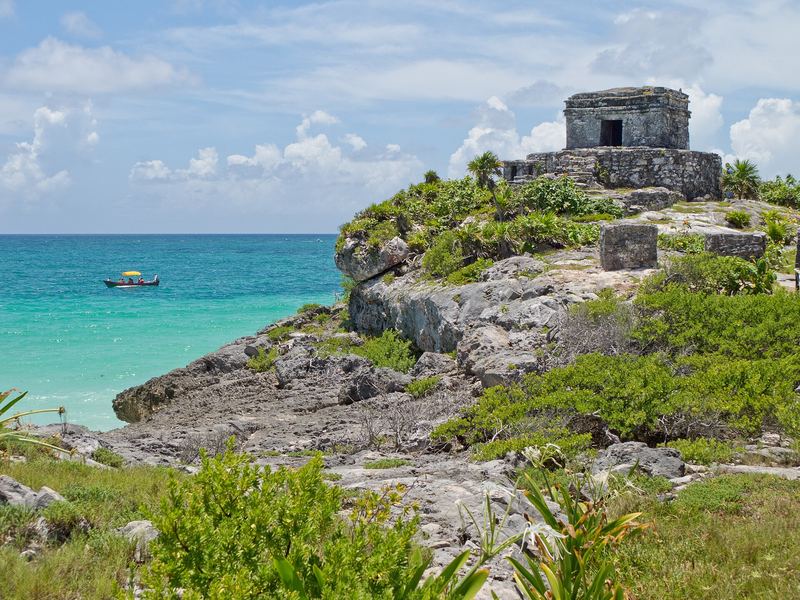
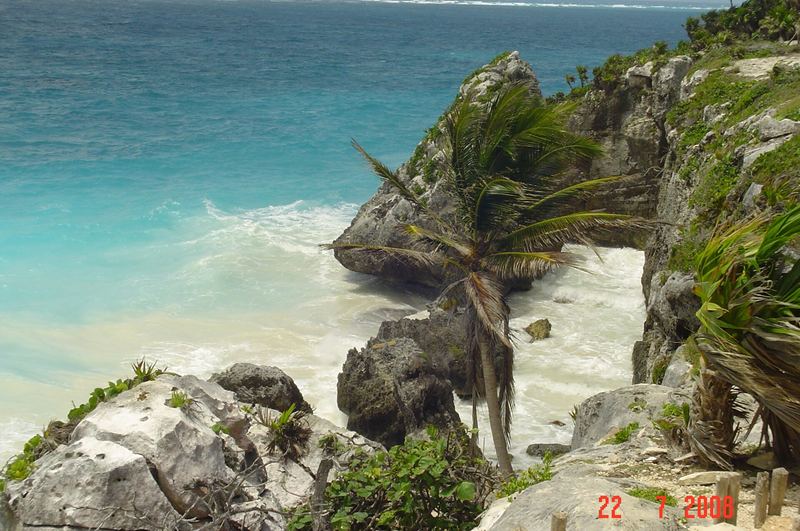
For white sand and turquoise water, the Riviera Maya and Tulum are the most reliable picks, with cenotes and clifftop ruins as a bonus. Holbox is the slower version, a car-free island of sand streets and sandbars. Bacalar trades the sea for a spring-fed lagoon in bands of blue.
The Pacific feels different. Los Cabos is desert meeting ocean, better for dramatic suites and sunset dinners than for swimming off every beach. Punta Mita and Guanacaste offer calmer coves, golf and long golden sunsets.
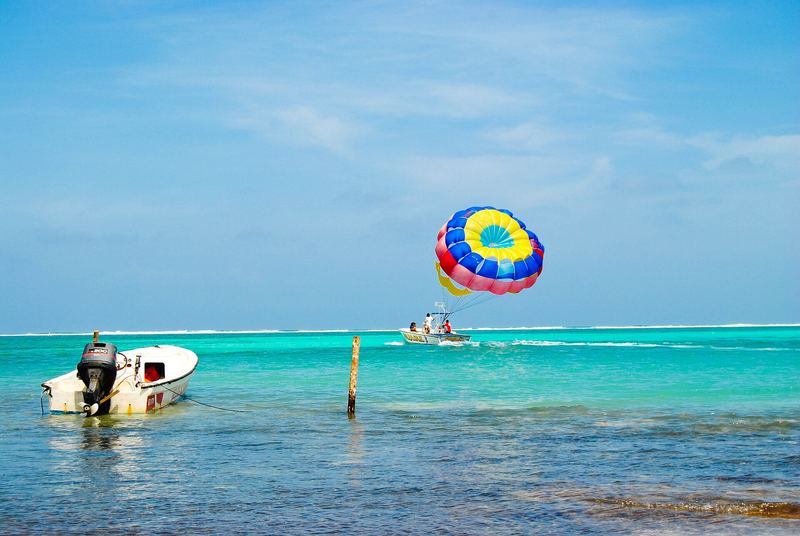
For reef time, Belize stands out. Ambergris Caye mixes barefoot bars with polished resorts, Caye Caulker is smaller and simpler and Placencia gives you a long beach on a skinny southern peninsula. Roatán in Honduras puts coral a short swim from shore.
In Panama, Bocas del Toro has overwater rooms and water taxis, while the San Blas Islands (Guna Yala) offer simple Guna-run cabins on tiny palm islands. Surfers can add El Tunco in El Salvador.
Best for Rainforest, Volcanoes and Adventure
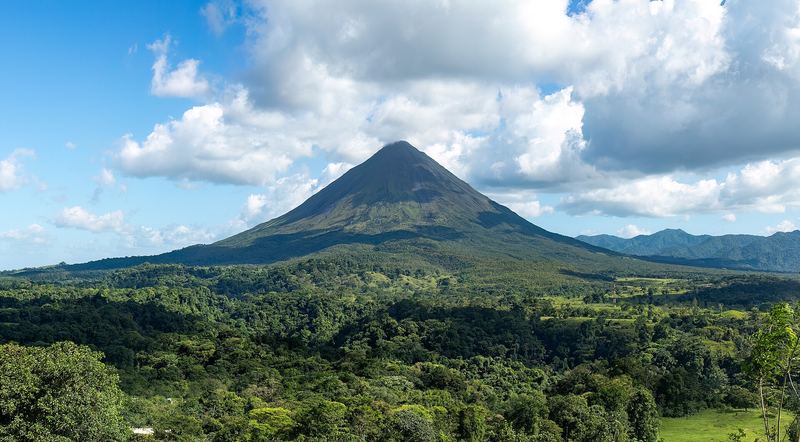
Costa Rica is the region's adventure capital and the easiest place to do it in comfort. In Arenal you soak in volcano-warmed springs after zip-lining and waterfall swims. Monteverde is cooler and mistier, with hanging bridges through cloud forest and fireplaces at night. Manuel Antonio packs rainforest and beach into one small national park, which makes it the best bet for a first sloth sighting. The Osa Peninsula is the wildest choice, with boat-access lodges beside Corcovado National Park.
Belize's Cayo District is the place for caves, rivers and Maya sites like Xunantunich, all from jungle lodges near San Ignacio. Boquete in Panama is gentler, a coffee valley on Volcán Barú where rainbows show up almost daily.
Guatemala has the most dramatic volcano scenery. From Antigua Guatemala, fit couples can do the guided overnight climb of Acatenango to watch Fuego glow after dark. Lake Atitlán sits beneath three volcano cones and is best explored by boat.
Best for Culture, Food and Ruins
Mexico has more great honeymoon cities than anywhere else in the region. Mexico City is the food and art capital, with tasting menus in Roma and Condesa and balloon flights over Teotihuacán about an hour away. Oaxaca means mole, mezcal and Zapotec ruins on the mountaintop above town. Mérida offers pastel mansions, Sunday dancing in the plaza and hacienda pools. San Miguel de Allende is cobbled and candlelit, with rooftop sunsets facing its pink stone spire. Valle de Guadalupe is Mexico's wine country, about two hours from San Diego.
For ruins, Tikal is the most powerful experience in the region, its temples rising above the canopy in northern Guatemala. Copán Ruinas in Honduras is quieter, with the finest carved stone in the Maya world.
Antigua Guatemala is the most atmospheric colonial town of all, with roofless churches, convent hotels and a volcano at the end of many streets.
Easiest From the US
Mexico is the simplest trip for most couples. Nonstops from most major US cities reach Cancún, Los Cabos and Puerto Vallarta in about two to five hours. The Riviera Maya, Tulum and Punta Mita are short transfers from those airports. Valle de Guadalupe is a drive from San Diego.
Costa Rica has nonstops to San José and Liberia from many US hubs in about three to six hours, with Liberia the better gateway for Guanacaste. Belize City has nonstops from Miami, Houston, Dallas, Atlanta and other hubs in about two to three hours, then small planes hop to the cayes and Placencia.
Panama City is Copa's hub, with nonstops from about 20 US cities. Roatán has nonstops from four US hubs. San Salvador has nonstops from more than a dozen US cities, which puts El Tunco about 40 minutes from the plane.
Bring your passport for every country here. Entry and visa rules depend on your citizenship and can change at short notice, so check the official government website before you book.
Budget Picks and Splurges
Mexico covers every budget. Kid-free all-inclusives on the Riviera Maya are often the best value for couples who want food and drinks covered. Los Cabos, Mayakoba and Punta Mita hold the region's priciest resorts and pool villas.
Costa Rica is not a bargain at the luxury level, though green-season rates in Arenal and Manuel Antonio bring real savings. Budget for private transfers between regions.
Belize stays reasonable in the cayes and the Cayo District, where comfortable lodges often run in the low to mid hundreds per night, though private islands cost several thousand. Guatemala, Honduras and El Salvador stretch a budget furthest, with lovely boutique hotels in Antigua Guatemala and Copán Ruinas.
For a splurge built on experience rather than marble, look at the eco-lodges of the Osa Peninsula, an overwater room in Bocas del Toro or a restored hacienda near Mérida. For value, Oaxaca, Boquete and Caye Caulker deliver a lot of romance for the money.
Safety and Travel Advisories
Advisories vary widely here, so read the country page before you book. El Salvador, Belize, Panama and much of Mexico sit at Level 1 or Level 2, while Guatemala, Honduras and Nicaragua are at Level 3, Reconsider Travel.
- Mexico is rated state by state. Yucatán, home to Mérida, is Level 1. Quintana Roo, Mexico City and Oaxaca have been Level 2. Guanajuato (San Miguel de Allende) and Baja California (Valle de Guadalupe) are Level 3 because of violence elsewhere in those states.
- Belize and Panama are Level 2 for crime. Panama's Level 4 zones are far from Bocas del Toro, Boquete and the San Blas Islands (Guna Yala).
- Guatemala and Honduras are Level 3 for crime, with some Level 4 areas. Visitors to Antigua Guatemala, Lake Atitlán, Tikal, Roatán and Copán Ruinas usually do fine with private transfers, no road travel at night and guided hikes.
- Nicaragua is Level 3 for crime, wrongful detention and arbitrary enforcement of laws, which is why San Juan del Sur ranks low with us.
Day to day, the precautions are simple. Use hotel cars, licensed taxis or ride apps at night, keep valuables out of sight and swim only where locals do, since Pacific beaches from Los Cabos to Guanacaste can have strong rip currents. Mosquito-borne illnesses such as dengue circulate across the region, so if you're pregnant or hoping to be soon, check CDC travel health notices for your destination. Rural Central America is more conservative, so discretion is wise there.
Check travel.state.gov again close to departure.
Combining Two Countries or Regions
The easiest two-stop trips stay within one country. In Mexico, pair Mexico City or Oaxaca with the Riviera Maya, or Mérida with Holbox or Bacalar. In Costa Rica, Arenal and Guanacaste are about three hours apart by car.
Cross-border trips work best where the borders sit close to the sights:
- Belize and Guatemala: the Cayo District borders Guatemala and Tikal lies a couple of hours beyond Melchor de Mencos. Finish on Ambergris Caye or Caye Caulker.
- Guatemala and Honduras: Copán Ruinas is about 15 minutes from the El Florido border, so it pairs naturally with Antigua Guatemala.
- Costa Rica and Panama: Bocas del Toro is reachable through the Sixaola border, or fly via Panama City and add Boquete.
- Mexico and Belize: Bacalar is near the Belize border, a good first stop before the cayes.
For a week, two stops is plenty. Allow a full travel day between them and save the beach for last.
Mexico & Central America Honeymoon FAQ
Which country in the region is easiest for a first honeymoon abroad?
Mexico is the easiest for most couples, thanks to nonstops from most major US cities, a huge choice of kid-free resorts and short transfers from Cancún, Los Cabos and Puerto Vallarta. Belize is a close second if you want English spoken everywhere and the reef at your door. Costa Rica is the easiest place to do rainforest in comfort.
What is the best month for a Central America honeymoon?
December through April is the dry season across most of the region, with the most sunshine on the Pacific side and calm seas in Belize. It is also peak season, so book early. May and November are good shoulder months with lower rates. Bocas del Toro is an exception, with September and October among its better months.
Should we avoid Mexico or Central America during hurricane season?
Not necessarily. Hurricane season runs from June through November, with the greatest risk from August through October. Many couples travel then for lower prices and greener scenery, but buy travel insurance and keep plans flexible. Los Cabos, the Mexican highlands and inland spots like Monteverde or Boquete are less exposed than the Caribbean coast.
Is Costa Rica or Belize better for a honeymoon?
Costa Rica is better for wildlife, volcanoes, hot springs and polished lodges, with more resort choice in Guanacaste. Belize is better for reef snorkeling and diving, small islands like Ambergris Caye and Caye Caulker and Maya sites in the Cayo District. Belize is also English-speaking and slightly closer to Texas and Florida.
Are Guatemala and Honduras safe enough for a honeymoon?
Both carry Level 3 State Department advisories for crime, with some Level 4 areas. Most visitors to Antigua Guatemala, Lake Atitlán, Tikal, Roatán and Copán Ruinas have trouble-free trips by using private transfers, avoiding roads at night and hiking only with guides. Read each country page and decide whether the precautions fit your style.
Can we combine beach and jungle in one week?
Yes. It is the most popular plan in the region. Arenal with Guanacaste in Costa Rica, the Cayo District with Ambergris Caye in Belize or Boquete with Bocas del Toro in Panama all work in a week. Spend three or four nights in each place and do the adventurous stop first so the trip ends on the sand.