


Why Saint Lucia for Your Honeymoon
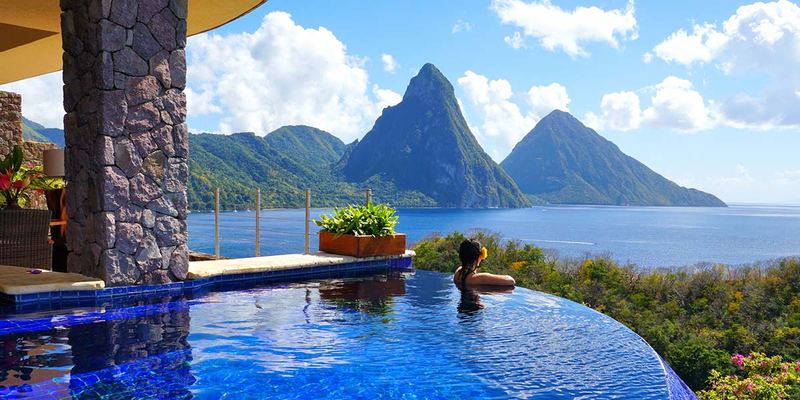
Many Caribbean islands are defined by their beaches. Saint Lucia is defined by its landscape, which makes it feel both more adventurous and more romantic. You can hike a volcanic peak in the morning, soak in volcanic mud at lunchtime and watch the sun set from an infinity pool in the evening.
The island's resorts are a major draw. In the south, around Soufrière, boutique hotels such as Jade Mountain and Ladera have made open-air suites with private plunge pools an art form, while the north offers calm beaches, all-inclusives and nightlife. The island is also warm in the human sense: Saint Lucians are known for their hospitality. Their culture, a blend of African, French, British and East Indian influences, shows up in the music, food and Kwéyòl language spoken alongside English.
Best Time to Visit
The dry season, roughly December through May, offers the most reliable sunshine and lower humidity, which is why it is peak season. Rates are highest and the best suites sell out early, especially around Christmas, New Year and Easter. The Saint Lucia Jazz and Arts Festival, typically held in May, adds concerts and a festive atmosphere.
June through November is the wetter season and coincides with the Atlantic hurricane season, which typically peaks between August and October. Rain often falls in quick tropical bursts and the rainforest is lush and green. Rates can be considerably lower. Saint Lucia Carnival, usually in July, is a high-energy celebration of costumes and soca. Temperatures stay warm year-round, generally in the 80s Fahrenheit, with cooling trade winds.
Top Honeymoon Destinations
Saint Lucia's two main honeymoon bases offer very different experiences.
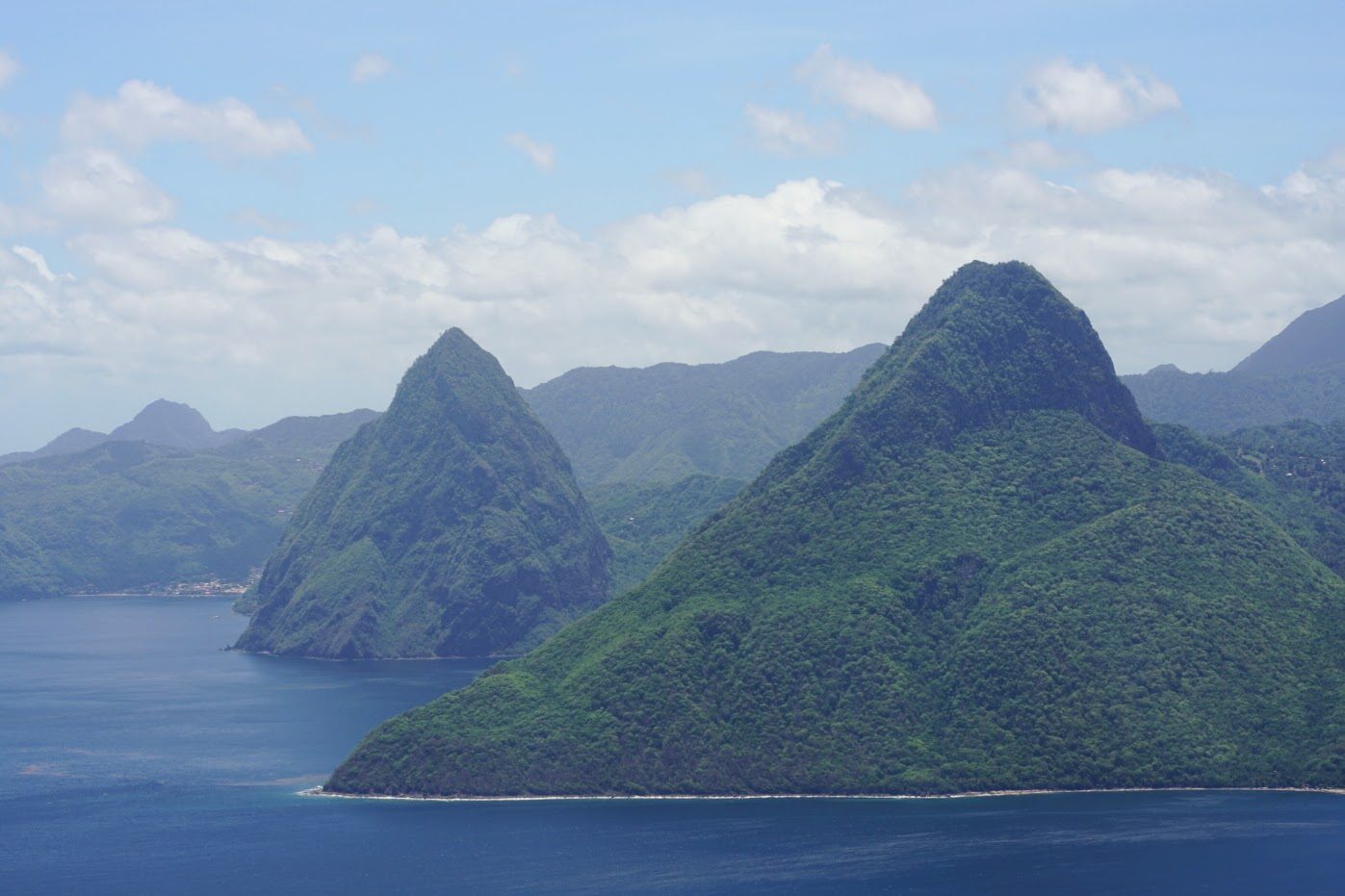
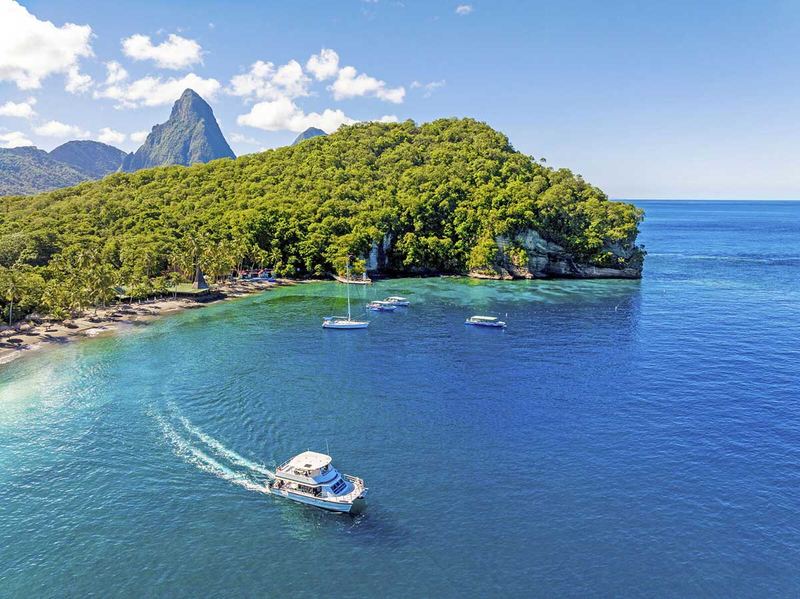
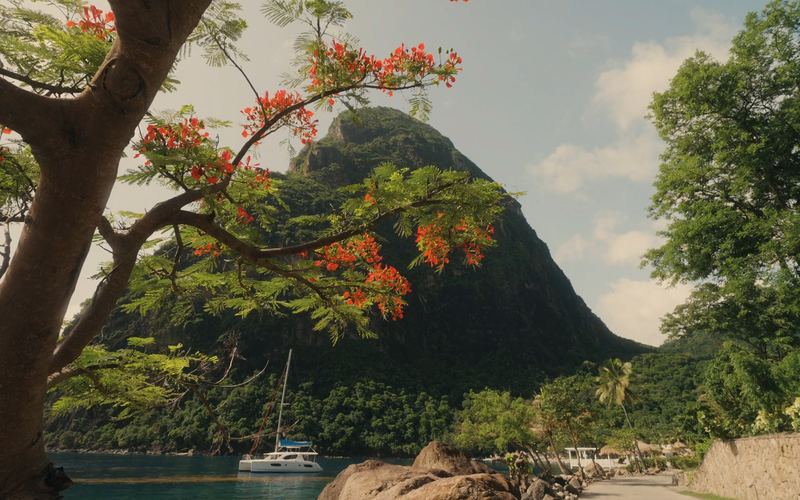
Soufrière, on the southwest coast, is the island's dramatic heart, set between the Pitons. Here are the best-known romantic resorts: Jade Mountain, with its open-wall sanctuaries and infinity pools; Anse Chastanet, a relaxed beach resort with a superb snorkeling reef; Sugar Beach, A Viceroy Resort, the only resort in the valley between the Pitons; and Ladera Resort, perched on a ridge 1,000 feet above the sea. Nearby attractions include the Sulphur Springs, Diamond Falls and the Gros Piton hike.
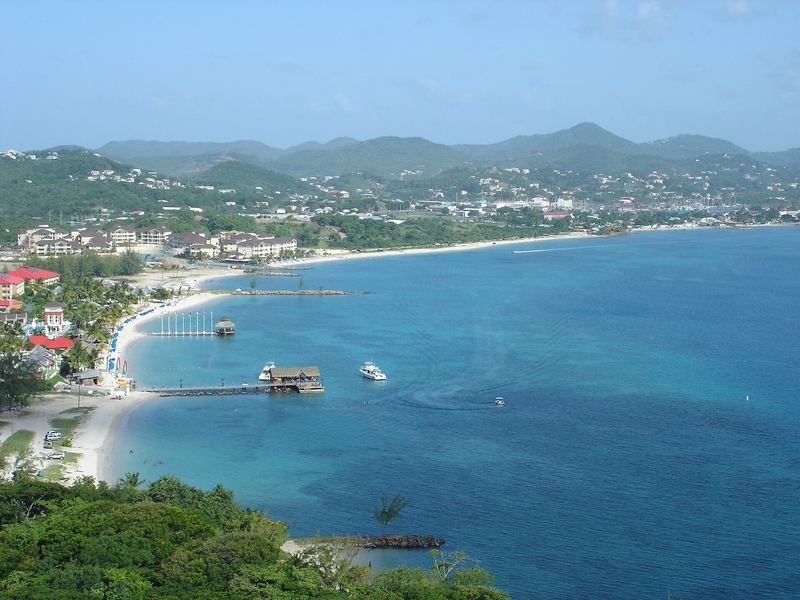
Gros Islet and Rodney Bay, in the north, offer calm, swimmable beaches, a lively marina, the famous Friday night street party and historic Pigeon Island. This is all-inclusive country, home to Sandals St. Lucia Grand Bay (formerly Sandals Grande St. Lucian), with its overwater bungalows. Many couples combine both regions in one trip.
How Long to Stay & Sample Itinerary
A week is ideal for a Saint Lucia honeymoon, giving you time to relax and explore both the south and the north. With 10 days, you can slow down even more.
- Days 1–4: Fly into Hewanorra International and transfer to Soufrière. Settle into an open-wall suite, snorkel off Anse Chastanet, soak in the Sulphur Springs mud baths, visit Diamond Falls and tour a cocoa estate. Fit in a Gros Piton hike or a sunset sail along the coast.
- Days 5–7: Move north to Rodney Bay. Spend lazy days on the beach, hike to Fort Rodney on Pigeon Island, dance at the Gros Islet Friday street party and take a sunset catamaran cruise.
- Day 8: Depart from Hewanorra, allowing about 1.5 hours to drive south, or take a helicopter.
If you prefer a single base, choose Soufrière for scenery or the north for convenience and beaches.
Budget & Costs
Saint Lucia suits a range of budgets, but its most famous honeymoon resorts are firmly in the luxury tier. As a rough guide (these figures are approximate and vary greatly by season):
- Ultra-luxury open-wall suites and villas in Soufrière often run from the low four figures per night upward in peak season.
- Upscale boutique resorts and beachfront hotels typically range from several hundred to around a thousand dollars or more per night.
- All-inclusive resorts in the north commonly fall in a mid-to-high price range per couple per night, with meals, drinks and many activities included.
Beyond accommodation, budget for transfers (helicopters cost significantly more than cars), excursions, spa treatments and dining. Many resorts add service charges and government taxes to bills, so check what your rate includes.
Practical Tips for US Travelers
Nonstop flights reach Hewanorra International (UVF) from several US hubs, including Miami, New York, Atlanta and Charlotte, with flying time of roughly four to five hours from the Northeast. Hewanorra is in the south, about an hour from Soufrière and 1.5 hours from Rodney Bay.
The local currency is the East Caribbean dollar, which is pegged to the US dollar. US dollars are widely accepted, though change may be given in local currency. Credit cards work at resorts and larger businesses. Saint Lucia uses 220–240-volt electricity with UK-style three-pin plugs, so bring an adapter. Driving is on the left on narrow, winding roads; most couples rely on resort transfers and taxis. Pack insect repellent, reef-safe sunscreen and sturdy shoes for hikes.
Saint Lucia is relaxed for couples, but use resort transfers or taxis your hotel recommends at night rather than walking unlit roads. Keep valuables minimal at the Friday street party. Beach vendors and unofficial guides can be persistent with both of you; a friendly, firm no works. Mosquitoes can carry dengue here, so use repellent at dusk; if you're pregnant or hoping to be soon, check CDC travel health notices for Saint Lucia.
Culture & Etiquette
Saint Lucia gained independence from Britain in 1979, but centuries of alternating French and British rule left a rich cultural mix. Kwéyòl, a French-based Creole, is widely spoken. Jounen Kwéyòl (Creole Day), celebrated in October, showcases traditional food, music and dress. The island is also proud of its two Nobel laureates, poet Derek Walcott and economist Sir Arthur Lewis.
Saint Lucians are friendly and fairly formal in greetings; a simple good morning or good afternoon goes a long way. Beachwear is for the beach, so cover up when visiting towns or shops. Camouflage clothing is not permitted for civilians, so leave it at home. Tipping is appreciated: check whether a service charge has been added, then tip guides, drivers and staff for good service. Always ask before photographing people.
Quick tips
- Fly into Hewanorra (UVF) for Soufrière; the drive takes about an hour on winding roads, or you can take a helicopter.
- Many Soufrière resorts are on steep hillsides; expect stairs and shuttles.
- Book a sunset catamaran to see the Pitons from the water.