Peaks or Harbor
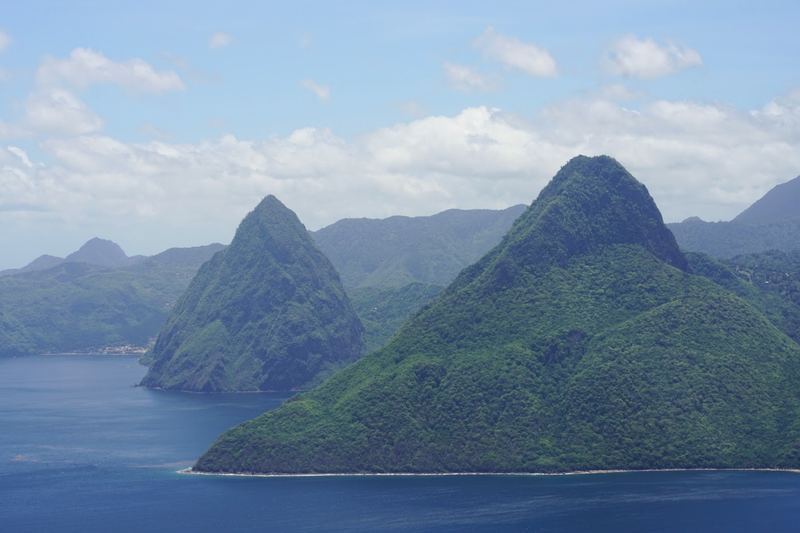
Soufrière is pure drama. Mornings begin with mist clinging to the Pitons and hummingbirds in the bougainvillea. Evenings end with the sun dropping into the sea beside Petit Piton. The town itself is small and unpretentious, a harbor of painted fishing boats and wooden houses with gingerbread trim. The volcanic landscape around it brings steaming sulfur vents, warm mineral pools, waterfalls and cocoa estates.
Marigot Bay is softer and more enclosed. You wake up to masts and mangroves, swim in a pool above the lagoon and watch the light turn gold on the hills at dusk. The novelist James Michener called it the most beautiful bay in the Caribbean. Few harbors feel this sheltered and private, though it is a working marina rather than a wild coast.
If your mental image of Saint Lucia is the twin peaks, nothing else will satisfy you. If you prefer a quieter, cozier setting with boats coming and going below, Marigot Bay feels like a secret.
Hotels and Price Points
Soufrière has more honeymoon hotels and a higher ceiling. Jade Mountain is the top-end splurge, a kid-free tower of open-wall sanctuaries with private infinity pools high above Anse Chastanet bay. Its sister resort, Anse Chastanet, sits on the beach below with open-air hillside rooms and a superb snorkeling reef at a gentler price. Sugar Beach, A Viceroy Resort, is the only resort set directly in the valley between the Pitons, with plunge-pool villas and butlers. Ladera Resort perches about 1,000 feet up a ridge with kid-free open-wall suites and heated plunge pools. Top open-wall suites often start in the low four figures a night in peak season (approximate).
Marigot Bay's lodging is smaller in number. Zoëtry Marigot Bay St. Lucia, the main resort on the south side of the bay, has 124 hillside suites on an all-inclusive plan that covers meals, premium drinks, airport transfers and water ferries, typically from around $850 a night for two (approximate). It welcomes families. Marigot Beach Club & Dive Resort and hillside villas round out the choice, with most couples' rooms roughly $350 to $900 a night in high season (approximate).
Beaches and Snorkeling
Neither is a long-beach destination, so manage expectations. Many of Soufrière's coves have darker volcanic sand, with Sugar Beach and Anse Chastanet the standouts. What it does have is water life. The Soufrière Marine Management Area protects reefs teeming with fish. Snorkeling off Anse Chastanet and at the base of the Pitons is excellent.
Marigot Bay's beach is the small sand spit with palms, reached by a little ferry. The bay is a harbor, so swimming happens mostly in pools. The fix is a boat trip south to Anse Cochon, where snorkeling over reef and rocks is very good, or to Ti Kaye's cove a few miles down the coast. Divers can join trips to reefs and wrecks along the west coast from the dive center on the bay.
If beach time ranks high for you, consider adding a few nights in the north of the island, where Reduit Beach at Rodney Bay has a longer stretch of sand. Pack reef-safe sunscreen and water shoes for rocky entries in both.
Arriving and Getting Around
Most US nonstops land at Hewanorra International Airport (UVF) on the island's southern tip, with flights from cities including Miami, New York, Atlanta and Charlotte. From there, Soufrière is about an hour on a scenic but winding road. Marigot Bay is farther, roughly one to one and a half hours north through banana valleys and villages. Helicopter transfers cut either trip to minutes.
George F. L. Charles Airport (SLU) near Castries handles mainly regional flights. It is only about 30 minutes from Marigot Bay but around 1.5 hours from Soufrière, so it suits couples connecting through another island and staying at Marigot.
Once settled, the two feel different. Soufrière is all steep hills and stairs. Most hotels sit on slopes with shuttles. Taxis and resort drivers are the norm. Marigot Bay is easier on foot, since restaurants cluster around the marina and a small ferry crosses the bay. In both, driving is on the left and roads are steep with tight bends, so most couples skip the rental car.
Days Out Together
Soufrière packs an astonishing range into a few miles. Coat each other in mineral-rich mud at the Sulphur Springs, billed as the world's only drive-in volcano, then rinse off in warm pools. Diamond Falls Botanical Gardens has a mineral-tinted waterfall among tropical flowers. Active couples can hike Gros Piton, a steep climb of several hours through forest to a panoramic summit, while the Tet Paul Nature Trail is a far gentler walk with Piton views. Visit a cocoa estate to see chocolate made from bean to bar.
Marigot Bay's best outings are on the water. A full-day boat trip south stops at Anse Cochon for snorkeling, passes the fishing village of Canaries and ends beneath the Pitons with time at the sulfur springs or Sugar Beach. The views of the peaks from the sea beat anything from the road. Kayak or paddleboard among the mangroves at the bay's edges, or tour the St. Lucia Distillers plant in the Roseau Valley just south, where Chairman's Reserve rum is made.
In short, Marigot can visit the Pitons by boat. Soufrière lives with them.
Food and Evenings
Saint Lucian cooking is Creole at heart. Look for green fig and saltfish, the national dish, plus bouyon, a hearty stew, callaloo soup and grilled fish with spicy pepper sauce. Piton beer is the local lager.
Soufrière's dining is mostly at the resorts. It is excellent, from the Jade Mountain Club to Dasheene at Ladera and the restaurants at Sugar Beach. Venture out at least once. The cocoa estates around town serve memorable lunches with Piton views. Cocoa tea, a spiced hot chocolate, turns up at breakfast. Evenings are quiet, built around your terrace and the view.
Marigot Bay is livelier after dark. Restaurants sit on decks over the water around the marina and the palm spit. You can walk or take the ferry between them, which makes dinner the highlight of the day. On Friday nights, Anse La Raye, ten minutes south, fills its village street with grills, music and fresh seafood. Bring cash and arrive hungry.
Seasons and a Split Stay
The calendar is shared. December through April is the dry season, with sunny days and steady breezes. Christmas, New Year and Easter weeks are the priciest. May, June and November can be excellent value with short showers. July through November is wetter, with hurricane risk highest from August through October. Some smaller resorts and restaurants close for a few weeks in late summer or early fall. Mosquitoes can carry dengue on the island, so if you're pregnant or hoping to be soon, check CDC travel health notices.
Because they are only about 45 minutes apart, a split works well. Spend three or four nights in a Soufrière open-wall suite for the Pitons and adventures, then move north to Marigot Bay for three nights of harbor sunsets, easy dinners and a shorter run to the airport if you fly from SLU. Or reverse it and end on the Pitons as the grand finale.
If you must choose one for a week, choose by the view you want to wake up to. That view will define your honeymoon.