Why Honeymoon on the Skeleton Coast
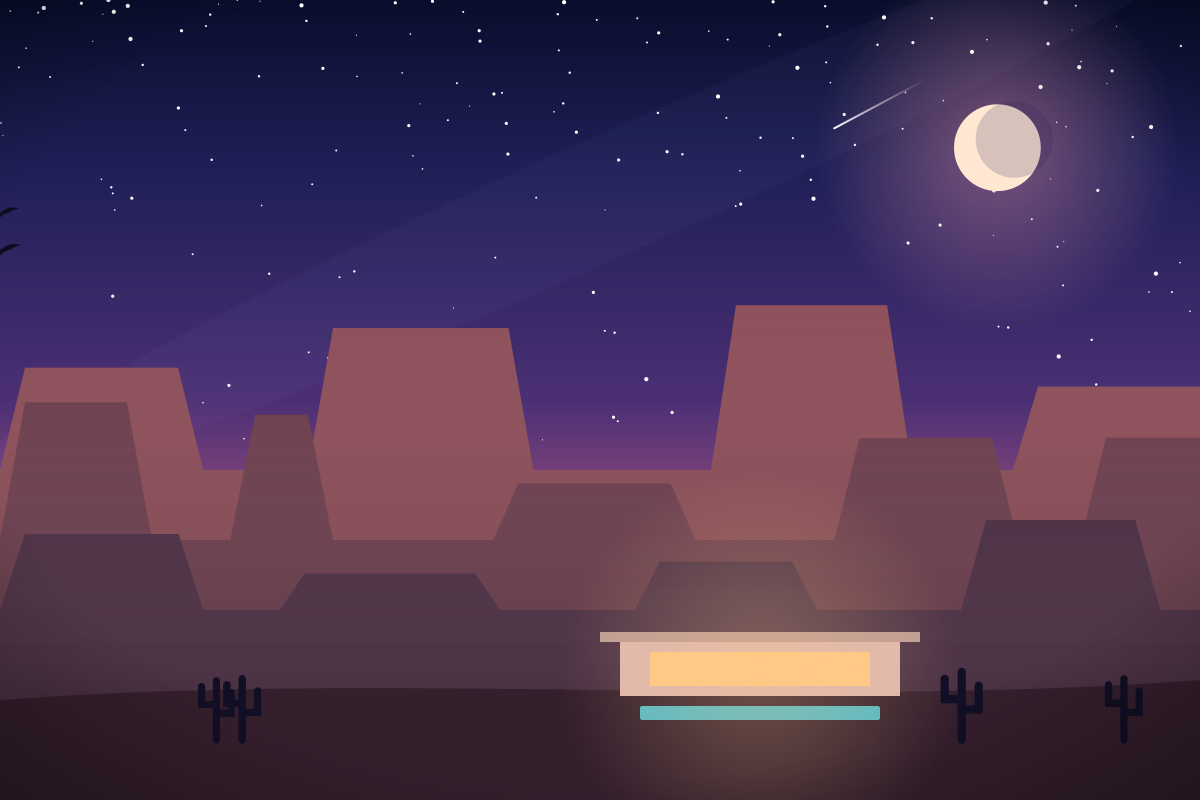
The Skeleton Coast is about atmosphere. Fog rolls in from the ocean most mornings, burning off to reveal dunes, canyons and gravel plains in endless shades of ochre, pink and gray. The silence is profound and you may go days without seeing another traveler.
Wildlife is sparse but remarkable. Desert-adapted elephants and lions follow the dry river valleys such as the Hoanib and Hoarusib, sometimes all the way to the beach. Brown hyenas scavenge along the shore and huge colonies of Cape fur seals crowd parts of the coast.
Shipwrecks add drama. Hundreds of vessels have come to grief here and some, like the Eduard Bohlen, now lie in the sand far from the water. The Dunedin Star, wrecked in 1942, inspired a famous rescue story.
Fly-in safaris give you a bird's-eye view of it all and the small camps here feel like outposts at the end of the world.
When to Go
The Skeleton Coast can be visited year-round. April to October is generally the best period, with cooler, clearer days inland and good conditions for fly-in safaris. The coastal fog is a constant feature, especially in the mornings and it can be chilly even in summer.
November to March is summer. Inland valleys can be very hot, while the coast stays cool and foggy. Occasional rain in the interior can bring flash floods in the river valleys and a brief flush of green.
Wind is common, especially in the afternoons and can kick up sand. Pack layers year-round: a warm fleece and windproof jacket for the coast and lighter clothes for inland valleys. If you are combining the coast with Etosha, the dry season from May to October is best for wildlife there.
Where to Stay
The northern Skeleton Coast has only a few camps, all remote and most reached by light aircraft.
Shipwreck Lodge sits among the dunes near the coast, with cabins inspired by shipwrecks. It is one of the most distinctive places to stay in Namibia. Hoanib Skeleton Coast Camp, in the Hoanib river valley, has tented rooms in a landscape of gravel plains and mountains, with chances of seeing desert-adapted elephants and lions. Fly-in safari operators also run multi-day trips using small camps and light aircraft, covering long stretches of the coast.
Expect roughly $1,000 to $2,500 per night for two at a fly-in camp, including meals and activities (approximate). Light aircraft transfers add to the total. In the southern section, government campsites and simple lodges at Terrace Bay and Torra Bay serve anglers and self-drivers.
Romantic Things to Do
Fly low along the coast in a light aircraft. Seeing shipwrecks, seal colonies, dunes and the ocean meeting the desert from above makes sense of the whole coast.
Track desert-adapted elephants and lions with an expert guide in the dry river valleys. Sightings are not guaranteed, but the setting makes every search memorable.
Visit the roaring dunes, where sand makes a deep humming sound as it slides down the slope. Sit together at the top of a dune and watch the fog roll in from the ocean.
Walk among the lichen fields that survive on fog and look for tiny desert creatures with your guide. Visit the Cape Cross seal colony south of the park, where tens of thousands of Cape fur seals crowd the rocks. Enjoy a picnic in a canyon or a bush dinner under clear inland skies.
Getting There and Around
There are no nonstop flights from the US to Namibia. Most couples connect through Johannesburg or Cape Town, through Frankfurt or other European hubs, or through Addis Ababa, landing at Windhoek Hosea Kutako International (WDH).
From Windhoek or Walvis Bay, light aircraft reach the northern Skeleton Coast camps in about 1.5 to 3 hours. Camps and safari operators arrange these flights. Many couples combine the coast with Etosha, Damaraland or Sossusvlei on a fly-in circuit.
The southern section of Skeleton Coast National Park can be reached by road from Swakopmund along the C34 coastal road, entering at the Ugab River gate. You need a permit from the Ministry of Environment and Tourism, available in Windhoek or Swakopmund. North of Terrace Bay, access is restricted to licensed operators. Light aircraft have strict luggage limits, usually around 20 kg each in soft bags.
Food and Drink
Meals at fly-in camps are hearty and well prepared, often with a German or South African touch reflecting Namibia's history. Expect cooked breakfasts, packed lunches for long days out and three-course dinners.
Try Namibian specialties such as game meat (kudu, oryx or springbok), boerewors sausage and potjiekos, a slow-cooked stew. On the coast near Swakopmund and Walvis Bay, fresh oysters are a highlight.
Namibian beers like Windhoek Lager and South African wines are standard. Drinking water is filtered. Supplies arrive by light aircraft or long roads, so tell your camp about dietary needs when you book.
Honeymoon Tips
- Check the State Department's Namibia advisory before booking. Remote areas have limited medical facilities, so travel insurance with evacuation cover is wise.
- Malaria risk is low on the coast but higher in the far north and northeast. Talk to a travel clinic. If you're pregnant or hoping to be soon, check CDC travel health notices.
- Pack layers. The coast is cold and foggy, while inland valleys can be hot.
- Bring sunglasses, sunscreen, lip balm and a buff for wind and sand.
- Respect wildlife. Desert elephants and lions live on the edge and should not be approached on foot.
- Combine the Skeleton Coast with Etosha and Sossusvlei for a complete Namibia experience.