Why Timor-Leste for a Honeymoon
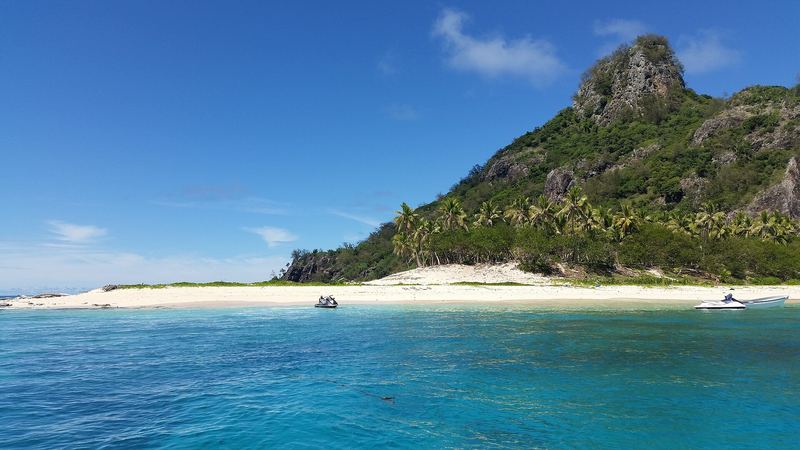
The reason to come is the sea. Timor-Leste lies inside the Coral Triangle, the most biodiverse marine region on the planet. Reefs start a few steps from the beach in many places, so shore diving and snorkeling are easy. Between roughly October and November, whales and dolphins migrate through the deep strait between Timor and Atauro. Boat trips from Dili can encounter pods of pilot whales or even blue whales.
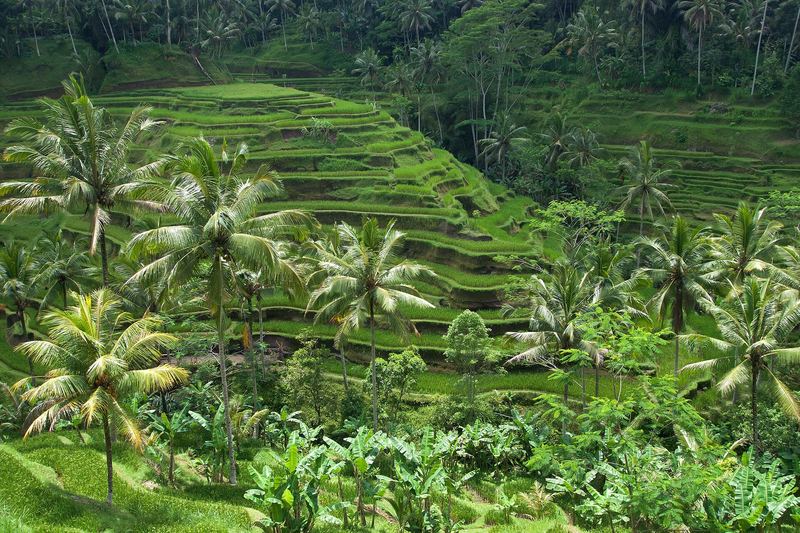
On land, the mountains are cool and green, with coffee farms and traditional sacred houses. Mount Ramelau, the highest peak, draws hikers who climb in the dark to watch sunrise above the clouds.
The flip side is effort. There are few comfortable hotels outside Dili, electricity and internet can be patchy and travel takes time. Couples who value adventure over pampering often find that the lack of other tourists is exactly what makes it special.
Safety First
The Level 2 advisory reflects real issues. Demonstrations sometimes turn tense. Police have used tear gas to disperse crowds. Gang disputes can lead to stone-throwing at vehicles, especially at night. The State Department also notes that sexual violence and harassment are common.
In practice, most visitors have trouble-free trips by following simple rules. Avoid protests and large gatherings. Do not walk around Dili alone after dark; take a car arranged by your hotel. Women should be cautious about walking or swimming alone at quiet beaches. Keep valuables out of sight.
Nature carries its own risks. Saltwater crocodiles live in some coastal waters and are culturally revered, so ask locals where swimming is safe. Dengue and malaria are present, so use repellent and talk to a travel clinic before the trip. If you're pregnant or hoping to be soon, check CDC travel health notices for Timor-Leste. Medical care is limited. Serious cases are usually evacuated to Darwin or Singapore, so buy travel insurance with medical evacuation cover.
Best Time to Visit
Timor-Leste has a tropical climate with a wet season and a dry season. On the north coast around Dili and Atauro, the dry months run roughly from May through November, with the clearest water and calmest seas from about June to October. The south coast and mountains follow a slightly different pattern, with rain lingering longer.
The wet season, usually December through April, brings heavy rain, landslides on mountain roads and murkier water near river mouths. Some remote routes become impassable.
For honeymooners, the sweet spot is late in the dry season. September to November combines good diving visibility, hot dry days and the best chance of seeing migrating whales and dolphins. Mountain nights can be surprisingly cold year round, so pack a warm layer if you plan to sleep in the highlands or climb Ramelau.
Where to Go
Most couples split their time between Dili, the coast and an island.
- Dili: the capital, with the hilltop Cristo Rei statue, the Resistance Museum and the Chega! exhibition in a former prison. It is the base for dive operators and boat trips.
- Atauro Island: about 25 kilometers north of Dili, with eco-lodges, reef snorkeling from the beach and village walks. Our Atauro Island guide covers it in detail and it is the top honeymoon pick.
- The east: Baucau has old Portuguese buildings. The beach village of Com is a stepping stone to Jaco Island, an uninhabited sacred island with pale sand and very clear water.
- The mountains: Maubisse and the Ramelau area offer coffee plantations, cool air and the sunrise hike.
If you want an easier beach finish, fly back to Bali, which is a short hop from Dili.
Sample 10-Day Itinerary
This plan assumes you arrive through Bali or Darwin and travel with a driver outside Dili.
- Day 1: Arrive in Dili. Walk the waterfront and watch sunset at Cristo Rei.
- Day 2: Morning at the Resistance Museum and Chega!, afternoon snorkel or shore dive east of town.
- Day 3: Boat to Atauro Island.
- Days 4 and 5: Snorkel, hike and relax on Atauro. Visit the women's doll-making cooperative.
- Day 6: Return to Dili; whale-watching trip if in season.
- Day 7: Drive into the mountains to Maubisse.
- Day 8: Pre-dawn climb of Mount Ramelau, then return to Dili.
- Day 9: Final dive or beach day at Areia Branca.
- Day 10: Fly to Bali for a few resort nights before heading home.
Roads are slow and weather can disrupt plans. Leave a buffer day if you can.
Budget and Costs
Timor-Leste is pricier than many travelers expect, mainly because so much is imported and competition is thin. These figures are approximate.
- Hotels: comfortable rooms in Dili commonly cost $80 to $180 a night. Island eco-lodges on Atauro are simpler and often priced per person with meals included.
- Food: local meals cost a few dollars, while restaurants catering to expatriates charge closer to US prices.
- Transport: hiring a car and driver for trips outside Dili is one of the biggest expenses, often $80 to $150 or more a day.
- Activities: guided dives, whale-watching boats and Atauro transfers add up quickly.
Because the currency is the US dollar, budgeting is simple. Carry clean, recent bills in small denominations. Credit cards are accepted at only a handful of places in Dili. ATMs outside the capital are rare or unreliable.
Getting There and Around
No airline flies from the US to Dili. The main gateways are Bali and Darwin, with Bali offering the most frequent short flights. Singapore and Kuala Lumpur have had direct service too. Allow plenty of connection time, since schedules can change at short notice.
Presidente Nicolau Lobato International Airport sits on Dili's western edge, a short drive from most hotels.
In Dili, taxis are cheap but often old; ask your hotel to recommend a driver. Outside the city, a 4x4 with a local driver is strongly recommended. Roads are narrow, winding and often damaged by landslides, so distances take much longer than maps suggest.
To reach Atauro, take the public ferry, which needs about two hours, or a faster private boat run by a dive operator or water taxi company.
Culture and Etiquette
Timor-Leste is overwhelmingly Catholic. Church plays a central role in daily life. Dress modestly away from the beach, especially in villages and churches. Swimwear belongs at the beach or lodge.
The country's recent history is painful. Many families lost relatives during the Indonesian occupation. Visiting the Resistance Museum or Chega! offers context that makes the rest of the trip richer. Approach the subject with care in conversation. Public affection is kept low-key outside the lodges.
A few words of Tetum go a long way. Bondia means good morning. Obrigadu or obrigada means thank you. Ask before photographing people, particularly at sacred sites and traditional houses called uma lulik.
Traditional woven textiles, called tais, make meaningful gifts. Buy them at the Tais Market in Dili or directly from weavers. Haggling gently is fine, but remember that a few dollars matter far more to the seller than to you.
Quick tips
- Bring plenty of small US bills; cards work only in a few Dili hotels and ATMs are scarce outside the capital.
- Saltwater crocodiles live along parts of the coast, so ask locals before swimming at any beach.
- Hire a driver with a 4x4 for trips beyond Dili, since mountain roads are rough and slow.