Beach Days or Backwater Days
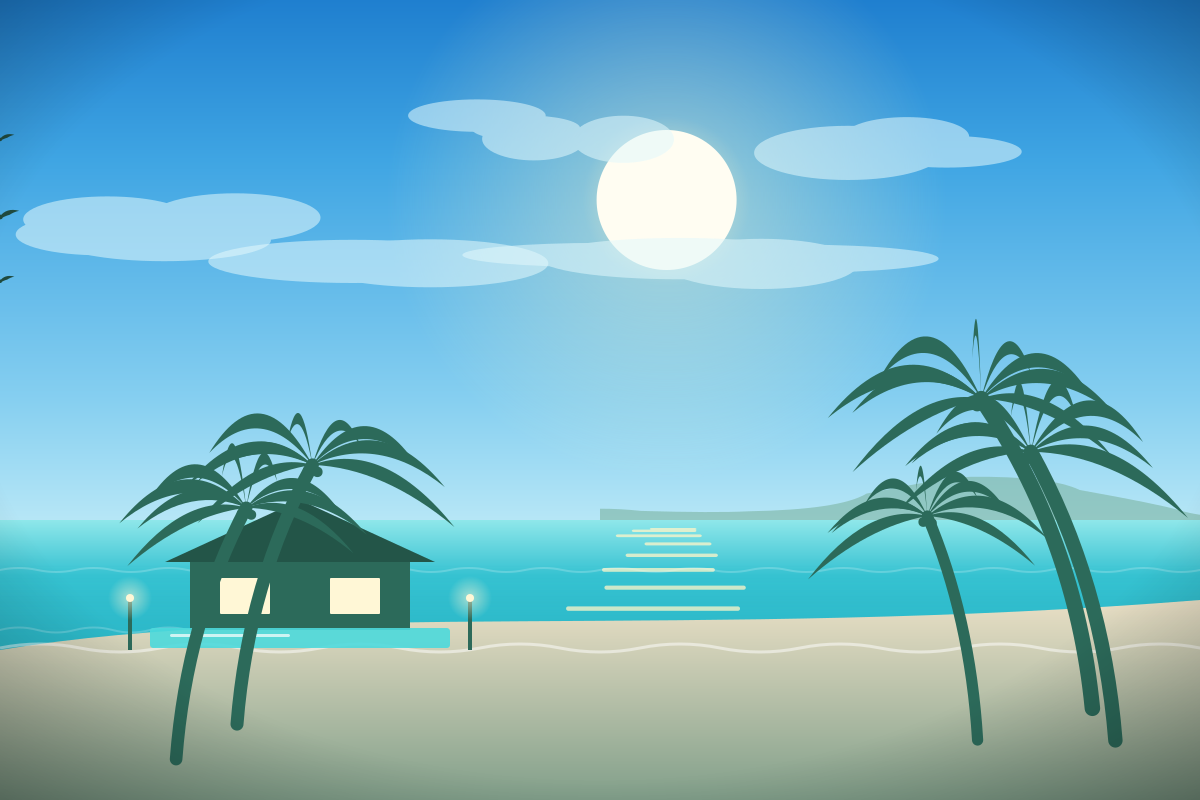
Goa is a beach destination with a cultural side. In the south, Agonda and Palolem curve in long arcs under the palms. In the north, Vagator sits under the ruined Chapora Fort, a short climb with wide views at sunset. Between beach days you can visit the 16th-century churches of Old Goa, a UNESCO World Heritage Site, walk the colorful lanes of Fontainhas in Panjim and kayak through mangroves on the Sal or Chapora rivers.
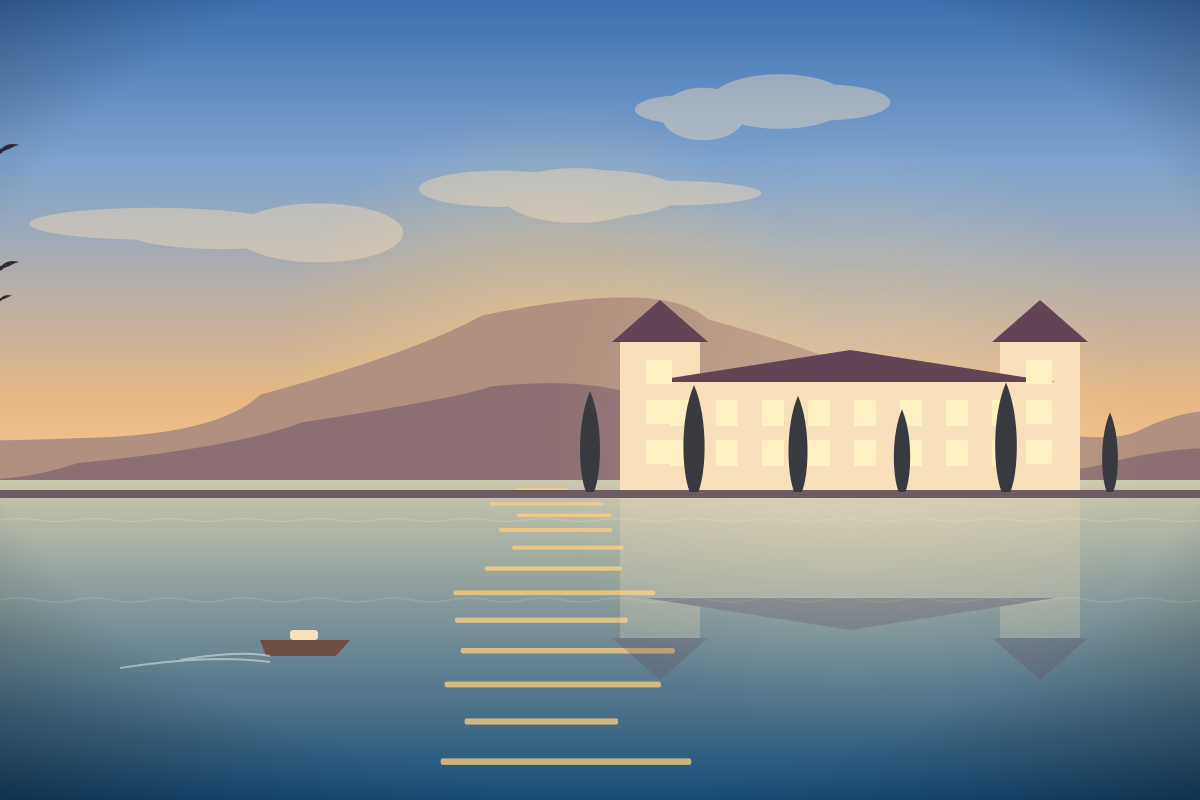
The backwaters are not a beach destination at all. The appeal is drifting past coconut groves and paddy fields while village life carries on at the water's edge. You take a shikara canoe into narrow canals at dawn when kingfishers hunt, walk the Kumarakom Bird Sanctuary for herons and egrets and book a long Ayurvedic treatment in the afternoon.
If swimming matters, choose Goa. If watching the world float by matters more, choose Kerala.
Kinds of Places to Stay
Goa's stays split by region. In the south, small cottage resorts and boutique hotels sit back under the palms at Agonda and Palolem, while bigger full-service resorts line the long beaches from Majorda to Cavelossim. In the north, the inland villages of Assagao and Siolim have design-led villas and small boutique hotels near Goa's best restaurants, with a few clifftop resorts above Vagator. Skip the busy strips of Baga and Calangute if you want quiet.
In Kerala, most couples split their nights between a houseboat and a lakeside resort. Kumarakom Lake Resort on Vembanad Lake is the classic honeymoon choice, with restored old Kerala timber villas, several with private pools, set in 25 acres of gardens and canals. For the houseboat, book a private air-conditioned boat through your resort or a reputable operator and ask about the boat's age, the crew and a route away from Alappuzha's busy main channels.
Goan Vindaloo or Kerala Fish Curry
Both are among India's great regional cuisines and both lean on coconut and seafood.
Goan food has a Portuguese accent. Order a fish curry rice plate with kingfish or pomfret, the everyday local lunch. Pork vindaloo here is the original, sharp with vinegar and garlic. Look for chicken xacuti, prawn balchão and sorpotel, then bebinca, a dense layered coconut cake. Feni, distilled from cashew fruit or coconut sap, is best in a cocktail. Beach shacks grill seafood at sunset while Assagao has ambitious garden restaurants.
Kerala cooking is home-style and spice-rich. On a houseboat the crew makes fish curry in red tamarind sauce, vegetable thoran with grated coconut, sambar and red rice, with lacy appam for breakfast. Order karimeen pollichathu, pearl spot fish cooked in a banana leaf, at least once. Toddy shops serve palm wine with duck roast, best with a guide.
Goa wins on variety and drinks. Kerala wins on intimacy.
Weather and Timing
The two share a calendar. November to February is the best time in both, with dry, sunny days, calm seas in Goa and soft light and lower humidity in Kerala. The weeks around Christmas and New Year are the most crowded and expensive in both, with Goa's northern parties at full volume and hotel rates that can double.
March and April are hotter and more humid. Goa still works with lower prices. In Kerala, an air-conditioned houseboat bedroom becomes essential.
The monsoon arrives in early June in both. This is where they split. In Goa, seas turn rough, swimming is unsafe and most beach shacks close until about October. In Kerala, houseboats still run and the scenery turns vivid green. Ayurveda practitioners consider the monsoon the best season for treatments. August and September bring Onam and the snake boat races, including the Nehru Trophy near Alappuzha.
For a monsoon honeymoon, Kerala is the clear choice.
Getting There
Goa has two airports. Manohar International at Mopa (GOX) serves North Goa, about an hour to most northern beaches. Dabolim (GOI) is closer to South Goa, about 30 to 60 minutes. Both have frequent flights from Delhi, Mumbai and Bengaluru plus some Gulf links. Goa is larger than it looks. Driving end to end can take three hours, so pick a base and day-trip.
The backwaters are reached from Cochin International (COK), about two hours by car to Alappuzha or Kumarakom, with international connections through the Gulf. A night or two in Fort Kochi first is a natural start. Once there, you move by boat.
From the US, neither has nonstop flights. Couples usually connect through the Gulf or Europe, or fly nonstop to Delhi or Mumbai and connect. One-stop routings through Dubai, Doha or Abu Dhabi often land you directly in Kochi or Goa, skipping the north altogether.
Costs and Comfort
Both offer good value by US standards and a range from simple guesthouses to polished resorts. Goa's prices jump sharply over Christmas and New Year and drop in March and April. Kumarakom Lake Resort starts around $310 a night in our listings, an approximate figure that rises in peak season. Houseboats vary widely, so confirm what is included, from air-conditioning hours to meals.
Taxis in Goa are pricey by Indian standards, so agree on fares first, use the official app-based taxis or ask your hotel for a driver. Renting a scooter is common but roads are narrow and accidents frequent. In Kerala, boats and resort transfers handle most trips. Tip houseboat crews in cash at the end.
Safety notes differ. In Goa, swim only where lifeguards are present and follow the flags, since currents are strong. In both places, use repellent at dusk. If you're pregnant or hoping to be soon, check CDC travel health notices.
Pairing Them
Goa and Kerala combine easily with a short flight between Goa and Kochi. A ten-night southern honeymoon could start with a night in Fort Kochi, then one night on a houseboat and two at a lakeside resort in Kumarakom before flying to Goa for five or six nights on the beach. You get stillness first and sand and sunsets to finish.
On a classic north India trip, either works as the rest stop after Delhi, Agra and Rajasthan. Goa suits couples who want to swim and socialize. Kerala suits couples who want the quietest few days of the honeymoon. Kerala also pairs naturally with Munnar's tea hills, four to five hours by road, while Goa pairs with Mumbai, either by short flight or on the scenic Konkan Railway.
At churches in Goa and temples in Kerala, dress modestly, with shoulders and knees covered for both of you.