Dry Coast or Rainforest Coast
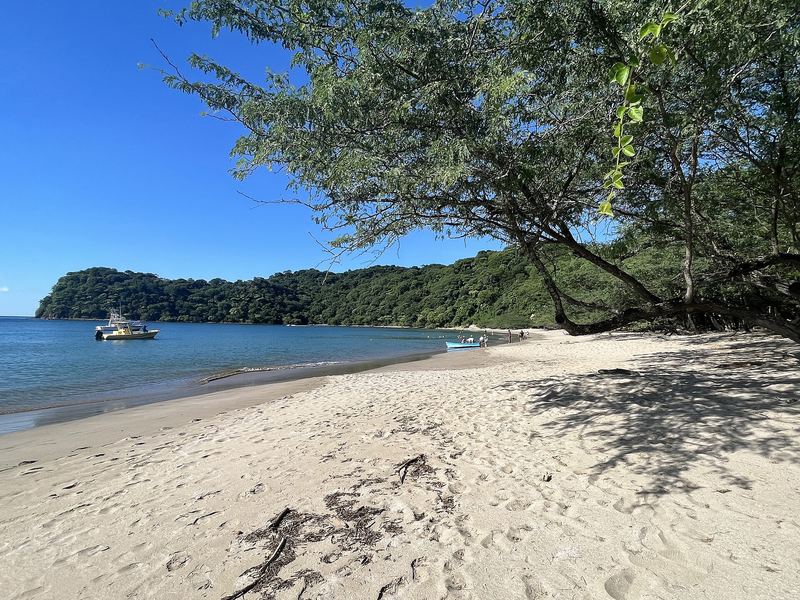
Guanacaste is the driest corner of Costa Rica. In the dry season it can go weeks without meaningful rain and the light is bright and golden. The coastline mixes calm bays for swimming and paddleboarding, secluded coves reached by boat or trail and wilder surf beaches. Monkeys and iguanas still roam resort grounds, but the setting is open and sunny rather than dense.
Manuel Antonio is pure tropical rainforest meeting the Pacific. The park is only a few square miles, yet it holds white-sand coves, three kinds of monkeys and a steady parade of iguanas and coatis. Outside the gates, hotels on the ridge look over the canopy to offshore islets. Howler monkeys may well wake you before dawn.
If your picture of Costa Rica is sun, sand and a cocktail, Guanacaste matches it. If it involves a sloth over your breakfast table, Manuel Antonio does.
Getting There From the US
Guanacaste is the easier arrival. Guanacaste Airport (LIR) in Liberia has nonstop service from a number of US hubs and the Papagayo resorts are roughly 30 to 60 minutes away by car. Beaches farther south, such as Tamarindo, take a little longer.
Manuel Antonio needs more effort. Most couples fly into San José (SJO), which has nonstops from gateways such as Atlanta, Houston, Dallas, Miami and New York. From there, a private shuttle or rental car takes about three hours on paved highway via the coast road near Jacó. A domestic flight to Quepos (XQP) takes roughly half an hour and saves most of the drive, with the hotels about 20 minutes from the airstrip.
If you have only five or six nights, Guanacaste's quick transfer gives you more beach time. On a longer trip, the drive to Manuel Antonio is scenic and simple and once there you will not need a car, since taxis are cheap and hotels run shuttles.
Weather and When to Go
Both share Costa Rica's main dry season from December through April, which is peak season with the highest prices. Book well ahead for Christmas, New Year and Easter week.
The difference shows up in the green season. Guanacaste stays the driest region in the country and from May through November it sees mostly sunny mornings and afternoon showers, with brown hills turning emerald. September and October are the wettest months, but even then it usually gets less rain than the central and southern Pacific.
Manuel Antonio is wetter. Green season mornings are often sunny, with heavy afternoon showers rolling in from the ocean. July can bring a short dry spell locals call the veranillo. September and October are the wettest months there too.
So for a honeymoon in May, June or November, Guanacaste is the safer bet for sun. For a dry-season trip, both deliver and Manuel Antonio's wildlife is even easier to spot when animals gather near water.
Where You Will Stay
Guanacaste's top tier is concentrated on the Papagayo Peninsula, a protected stretch of dry forest with only a few resorts. Four Seasons Resort Costa Rica at Peninsula Papagayo, a Forbes Five-Star resort, sits on an isthmus between two beaches with a kid-free pool, Canopy Suites with private plunge pools, an Arnold Palmer golf course and a strong spa. Entry rooms start from around US$1,200 a night. Beach towns farther south add boutique hotels and rentals at lower prices.
Manuel Antonio offers more range in a smaller area. Arenas del Mar Beachfront and Rainforest Resort sits on its own stretch of sand beside the park, from around US$550 a night. Gaia Hotel and Reserve is kid-free with its own private reserve, from around US$450. Sí Como No, a long-running hillside resort, starts from about US$260. The higher on the ridge you stay, the bigger the view and the breeze.
All rates are approximate and climb in peak season.
Days Together
In Guanacaste, days revolve around the water. Sail along the Papagayo coast on a sunset catamaran with snorkeling stops. Take a surf lesson in Tamarindo, where the beach break is forgiving for beginners. Ride horses on the beach at golden hour. Dive or snorkel the Catalina Islands, known for rays and turtles. Inland, Rincón de la Vieja National Park has volcanic mud pots, waterfalls and natural hot springs.
In Manuel Antonio, the park is the main event. Go right at opening with a certified naturalist guide, who carries a spotting scope and finds sloths and vipers you would walk past alone. Then swim at Playa Manuel Antonio and walk the short loop around Punta Catedral. On other mornings, kayak the mangroves of Isla Damas, take a catamaran cruise with a snorkel stop or book a couples massage above the canopy.
Guanacaste suits couples who like to unwind. Manuel Antonio suits couples who like a little discovery before lunch.
Crowds and Practical Notes
Manuel Antonio is one of the most visited parks in Costa Rica, so plan ahead. Park tickets must be bought online in advance through the official system, entry is capped daily and the park closes one day a week. Touts near the entrance will try to steer you to unofficial parking and guides, so let your hotel arrange things. Do not bring food into the park, keep bags zipped and never feed the capuchins.
Guanacaste feels more spread out and less crowded on the Papagayo Peninsula, though beach towns such as Tamarindo get busy in peak season. A rental car helps if you want to explore and a 4x4 is wise on rougher routes and in the rainy season. Pack high-SPF reef-safe sunscreen and a layer for the strong dry-season breeze.
In both, swim where locals and lifeguards suggest, since rip currents occur on open beaches. Use repellent at dusk and if you're pregnant or hoping to be soon, check CDC travel health notices.
Fitting Them Into One Trip
Many couples pair one of these with Arenal's volcano and hot springs rather than with each other, since Guanacaste and Manuel Antonio sit several hours apart by road. That said, a coast-to-coast week works well: fly into Liberia, spend three or four nights in Guanacaste, then take a short domestic flight or a long scenic drive south to Manuel Antonio for three nights and fly home from San José.
If you have ten days, the classic shape is Arenal first for adventure and hot springs, then either beach to finish. Choose Guanacaste as the final stop if you want a quick ride to LIR and sun almost guaranteed. Choose Manuel Antonio if you want one more burst of wildlife before you fly out of SJO.
Flying into one airport and out of the other saves you hours of backtracking either way.