Italian Elegance or Swiss Clockwork
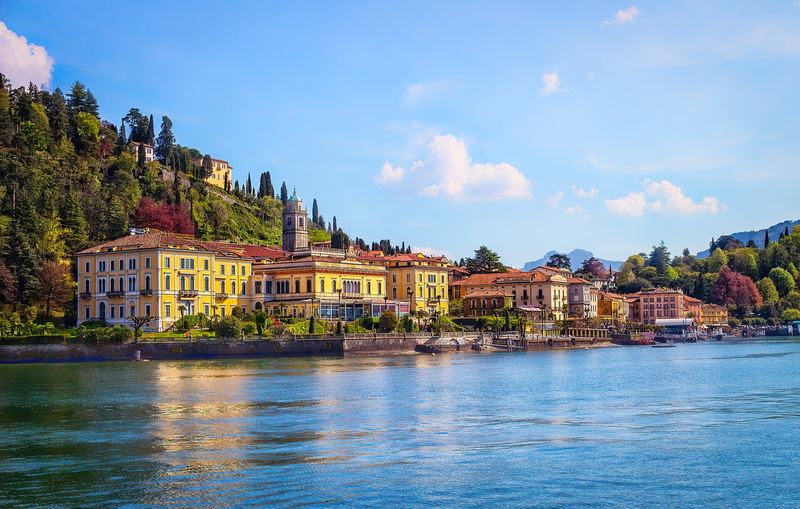
Lake Como is about atmosphere. Villages tumble down to the water, villa gardens burst with camellias and azaleas in spring and the evening light turns the mountains pink over an Aperol spritz. Nobody rushes. You might cruise to Bellagio for gelato, wander Villa Carlotta, swim from a wooden dock and call it a full day.
Lucerne is about ease and range. The old town has painted house fronts and a medieval wall with towers you can climb. The Chapel Bridge, lined with painted gable panels from the 1600s, leads to the octagonal Water Tower. Boats leave from the station waterfront. Cogwheel trains climb to summits where you can lunch above the clouds. It is a city, small but real, with the Swiss Museum of Transport, the Rosengart Collection of Picasso and Klee and the KKL concert hall. Como suits couples who want to slow down. Lucerne suits couples who want a little structure and a lot of options.
Flights and Arrival
Both are easy from the US. For Lake Como, fly into Milan Malpensa (MXP), which has nonstop flights from several US cities. A private transfer to Cernobbio or Moltrasio takes roughly an hour, while Bellagio or Tremezzo takes closer to an hour and a half. Trains also run from Milan to Como and along the eastern shore toward Varenna, where ferries cross to Bellagio and Menaggio.
For Lucerne, fly into Zurich (ZRH), which also has nonstops from several US cities. Take the train about an hour to Lucerne's lakefront station. From Geneva, plan on roughly three hours. Lucerne is the simpler arrival: one train, no transfers and boat piers a short walk away. That makes it a natural soft landing after a red-eye. Lake Como takes a bit more planning, especially if you are staying mid-lake, but a private driver turns that into an easy hour.
The Right Season
May, June and September are the sweet spot at both lakes. On Como, gardens are lush, evenings are warm enough for dining outside and the water is comfortable for swimming from late June. April is lovely for garden lovers, with azaleas and camellias in bloom. July and August bring heat, busier ferries and occasional afternoon thunderstorms.
Lucerne's prime season runs May through September, when boats run their fullest schedule and the Pilatus cogwheel railway operates. The Lucerne Festival fills the KKL from late summer. The big difference is winter. From roughly November through March, many Como hotels, restaurants and ferry routes close or cut back. The lake can be misty. Lucerne stays open year-round, with December Christmas markets, a riotous Fasnacht carnival in late winter and summits that often rise above the fog into sunshine. For an off-season honeymoon, Lucerne is the safer pick.
Villas, Palaces and Lakefront Rooms
Lake Como's hotels are among the most beautiful in Europe. Villa d'Este in Cernobbio is the grande dame, a 16th-century cardinal's villa with a pool floating on the lake and about 25 acres of gardens. Passalacqua in nearby Moltrasio is an intimate 24-room villa from the late 18th century, where Bellini composed an opera, with terraced gardens and a house-party feel. For a mid-lake base, small hotels in Varenna and Menaggio cost far less and put you at the scenic center.
Lucerne's classic hotels line the lakefront promenade between the station and the casino. The Hotel Schweizerhof Luzern has hosted guests since the 1840s. The Mandarin Oriental Palace occupies a restored Belle Époque building. Old town rooms have more character and more weekend noise. The big splurge is Bürgenstock Hotel and Alpine Spa, on a ridge about 1,500 feet above the lake, with an infinity pool facing Lucerne.
Budget and Value
Both lakes have a wide spread. Lake Como's top villas charge some of the highest rates in Italy, especially in summer, but you can save a lot by mixing price points: a few nights at a grand hotel, then a smaller hotel in Varenna or Menaggio. Ferries and hydrofoils are inexpensive and scenic, so getting around costs little. A private boat tour is the main splurge worth budgeting for.
Lucerne is Swiss-priced across the board. Bürgenstock's entry lake-view rooms start from roughly $900 a night, with lakefront city hotels below that and old town rooms lower still; all approximate. Summit trips add up, though the Swiss Travel Pass covers the lake boats and the Rigi railways and discounts Pilatus. The Half Fare Card halves most fares. Day to day, Como's trattorias and lakeside terraces generally cost less than comparable meals in Lucerne. Meals in Weggis or Vitznau on Lake Lucerne often beat old town prices.
How You Will Spend Your Days
On Lake Como, book a private ride on a vintage wooden Riva in the late afternoon, gliding past villas, chapels and waterfalls. Visit Villa del Balbianello on its wooded promontory near Lenno, Villa Carlotta in spring and Villa Melzi's lakeside gardens in Bellagio. Ferry between Bellagio and Varenna for cobbled lanes and the lakeside walkway. Hike the trails above Varenna or Tremezzo if you want to stretch your legs.
Around Lucerne, take the Golden Round Trip to Pilatus: a boat to Alpnachstad, the world's steepest cogwheel railway to the summit, then gondolas down. Ride Europe's first mountain railway, opened in 1871, up Rigi for sunrise and soak in Mario Botta's mineral baths at Rigi Kaltbad. Cruise to Flüelen on a paddle steamer, spend an afternoon at Bürgenstock's spa and finish with an evening walk across the lit Chapel Bridge.
What Is on the Table
Lake Como's cooking blends lake and mountain. The signature dish is risotto con pesce persico, creamy risotto topped with butter-fried perch. Missoltini, sun-dried shad, comes with polenta. From the nearby Valtellina come bresaola and pizzoccheri, buckwheat pasta with cabbage, potato and cheese. Drink Valtellina Nebbiolo or Franciacorta sparkling wine. Treat sunset aperitivo on a terrace as a nightly ritual.
Lucerne's specialty is Luzerner Chügelipastete, a puff-pastry shell filled with veal, mushrooms and cream sauce. Lake whitefish and perch fillets appear on most menus, pan-fried in butter. The riverside cafés are good for people-watching, while better dinners sit one street back or in lakeside villages. Try a local white from vineyards around the lake and Lucerne-made chocolate. Como wins on romance at the table; Lucerne wins on cozy evenings after a mountain day.
A Two-Lake Honeymoon
These two pair beautifully. Trains run from Lucerne south through the Gotthard to Lugano in about two hours. Como is a short hop beyond, so the journey takes roughly two and a half hours. That turns a ten-night trip into a natural arc: fly into Zurich, spend three nights in Lucerne with a summit day and a Bürgenstock spa afternoon, take the train south and spend four nights on Lake Como before flying home from Milan.
With more time, add the Jungfrau Region from Lucerne on the Luzern-Interlaken Express over the Brünig Pass, or continue from Milan to Venice, about two and a half hours by high-speed train. Avoid scheduling Como between November and March, when many of its hotels close. Lucerne first and Como last is the easier order: you settle jet lag in Switzerland, then unwind in Italy.