Green East or Sunny South
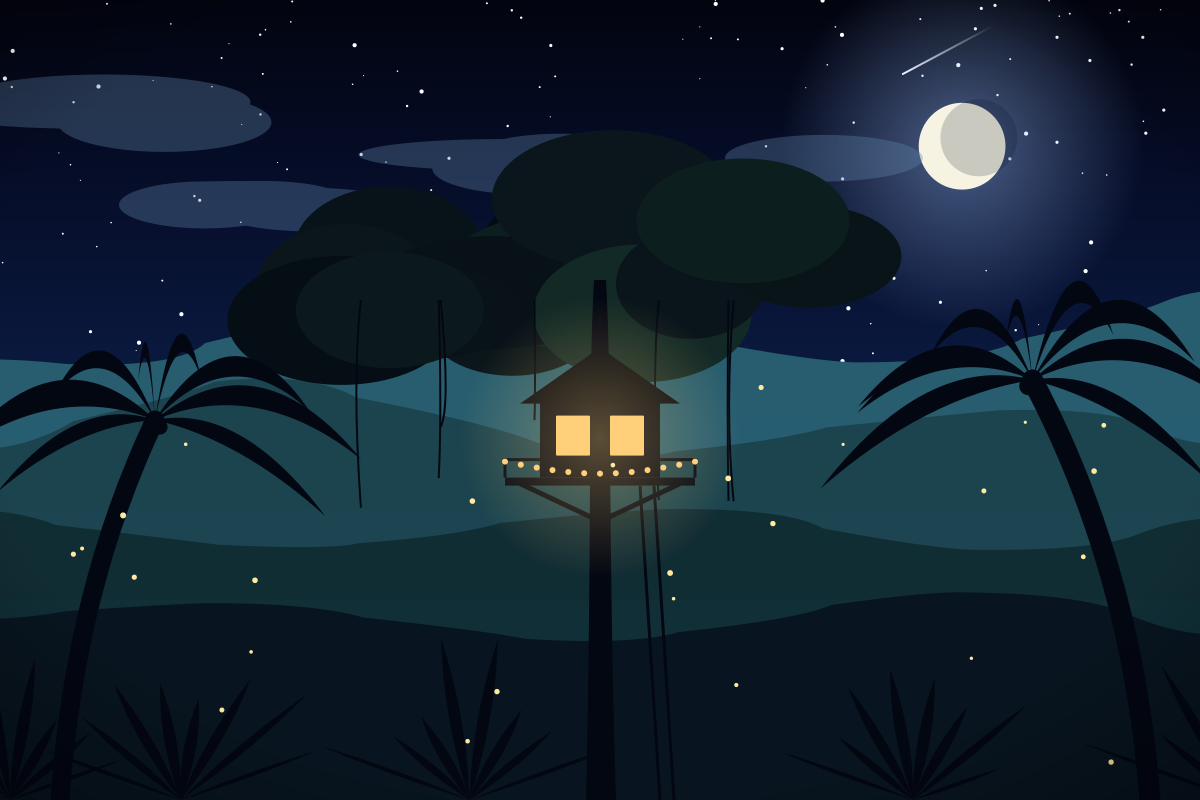
Port Antonio's setting is the more dramatic. The Blue Mountains rise behind town and rainforest tumbles toward the sea, so rivers and springs are everywhere. The Blue Lagoon, a deep cove where cold spring water meets the warm sea, shifts color with the light. Frenchman's Cove has a river running into a small sandy bay. The scenery is greener and steeper than anything in the flatter west of the island.
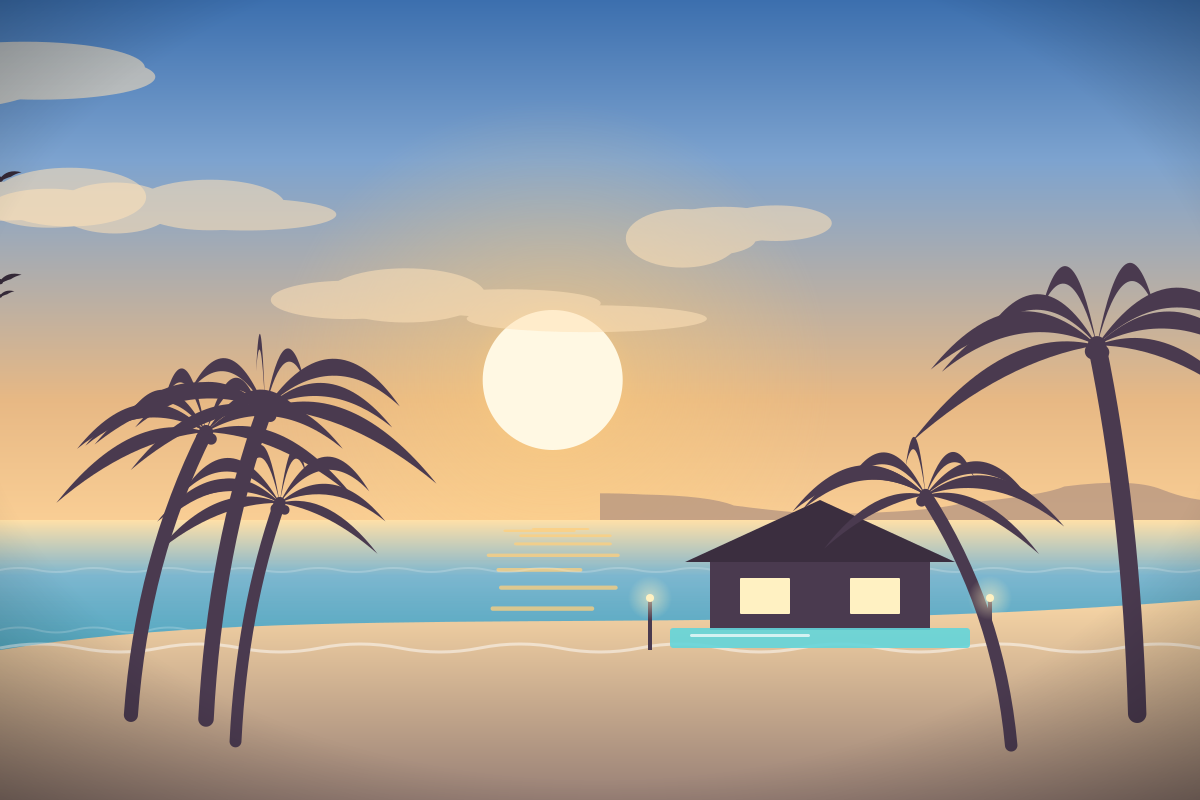
Treasure Beach is open and dry, with a stark beauty of its own. The five bays of Fort Charles, Billy's Bay, Frenchman's Bay, Calabash Bay and Great Bay stretch along a few miles of coast, with dark sand on some beaches and farm lanes between them. Sunsets over the rocks are part of the daily rhythm. The cliffs at Lovers' Leap drop hundreds of feet to the sea nearby.
Pick Port Antonio if you want to feel surrounded by jungle. Pick Treasure Beach if you want wide skies, sea breezes and a sleepy village feel.
Places to Stay
Both trade big resorts for small, characterful stays. Port Antonio's best places line the coast east of town around San San, Frenchman's Cove and Dragon Bay. Geejam combines cottages in tropical gardens with a recording studio and a well-known restaurant. Trident Hotel, on a rocky point near town, has a dramatic modern design and ocean-facing suites. Hotel Mocking Bird Hill is a small eco-hotel in the hills known for gardens, art and views. Private villas with cooks are popular too.
Treasure Beach's anchor is Jakes Hotel, Villas and Spa, with colorful cottages, mosaic-trimmed rooms and a saltwater pool on the rocks at Calabash Bay, plus Jack Sprat, its beach restaurant. Beyond it, private villas with a cook and housekeeper often cost less than a mid-range resort room. Good rooms or villas typically run roughly $200 to $450 a night (approximate).
Port Antonio tends to be more polished and stylish. Treasure Beach is more rustic and community-minded. Neither has an all-inclusive scene, which is exactly why couples choose them.
How You Spend Your Days
Port Antonio is built for exploring. Float down the Rio Grande on a long bamboo raft steered by a raftsman, a trip that Errol Flynn's parties made famous. Climb the cascades at Reach Falls with a licensed guide, then cool off in the pools. Swim at Winnifred Beach among local families and food stalls, or take a short boat ride to Navy Island for a sunset picnic. A drive into the Blue Mountains brings coffee estate tours and cool air.
Treasure Beach is for slowing down. Days start with coffee on a veranda and end with a sunset on the rocks. You can cycle the quiet lanes between Billy's Bay and Great Bay, go fishing with a local captain and have your catch cooked that evening or spend a lazy day swimming at Frenchman's Bay. Bigger outings lie inland, such as the Black River's crocodiles and mangroves or YS Falls, about an hour away.
Wear water shoes for rivers and falls in both. Some Treasure Beach bays have strong undertows on windy days.
The Journey There
Neither is close to the main airport, so plan your transfer. Most US couples land at Sangster International (MBJ) in Montego Bay, which has the most nonstops. From MBJ, Treasure Beach is about two to two and a half hours by car along the south coast, passing through Black River. Port Antonio is roughly four hours east.
For Port Antonio, Kingston's Norman Manley International (KIN) is the smarter gateway. It has nonstops from cities such as Miami, Fort Lauderdale, Orlando and New York JFK. The drive takes about two hours through the mountains or along the coast. Treasure Beach is about three hours from Kingston.
In both cases, book a private transfer through your hotel rather than driving yourselves on arrival. Roads are winding and potholed in places, driving is on the left and rural lanes are busy with goats and pedestrians. Some roads were still under repair after Hurricane Melissa, so allow extra time and ask your hotel about current conditions.
Rain, Storms and the Best Months
Weather is where these two differ most. Portland is Jamaica's wettest parish, which keeps Port Antonio intensely green. Showers can arrive any time but are often short. February through April is usually the best stretch, while December and January can be showery on this side of the island. Late summer into autumn is the wettest period and the peak of hurricane season, so it is the weakest window.
Treasure Beach sits on one of the driest parts of the island and gets more sunshine than the north coast in most months. December through April is the classic season. May is often lovely with fewer visitors.
Hurricane season runs June through November for both, with the highest risk from August to October. Melissa hit the south coast directly. The community has driven much of the recovery. The east was spared the worst. Either way, confirm your hotel is fully open and consider flexible bookings and travel insurance for fall dates. Mosquitoes are active after rain, so if you're pregnant or hoping to be soon, check CDC travel health notices.
What You Will Eat
Port Antonio has a serious claim to Jamaica's culinary crown. Boston Bay, a few miles east of town, is often called the birthplace of jerk, with roadside pits smoking pork and chicken over pimento wood, served with hard dough bread and festival. Seafood is excellent too: escovitch fish with pickled peppers, lobster in season and fish tea, a light peppery broth. Blue Mountain coffee grows in the hills behind town. Boutique hotel restaurants and villa cooks often serve the best meals of the trip.
Treasure Beach eats simply and very fresh. Fishermen bring in snapper, parrotfish and lobster in season, cooked escovitch style, steamed with okra or fried with bammy. Jack Sprat at Jakes is the social hub. For a long afternoon, drive east to Alligator Pond for Little Ochie, where fish is cooked in pots over open fires. Ask whether the Appleton Estate rum distillery inland is offering tours.
Carry cash in Jamaican or small US bills for jerk pits, fish fries, raft captains and guides in both.
Can You See Both
You can, but it means crossing the island. Port Antonio and Treasure Beach sit on opposite coasts, roughly five hours apart by road via Kingston. Plan a full travel day, or look at domestic charter flights.
A rewarding ten-night route might start with four nights in Port Antonio, arriving through Kingston, then cross to Treasure Beach for four nights of sunshine and seafood and finish with two nights in Negril or Montego Bay before flying home from MBJ. You see the rainforest east, the dry south and the classic west in one trip.
With only a week, choose one and stay put. Both places reward slowness. Long drives eat into the unhurried days that make them special. If you lean toward adventure and lush scenery, go east. If you want sun, simplicity and a cottage by the sea, head south.