Two Kinds of City Romance
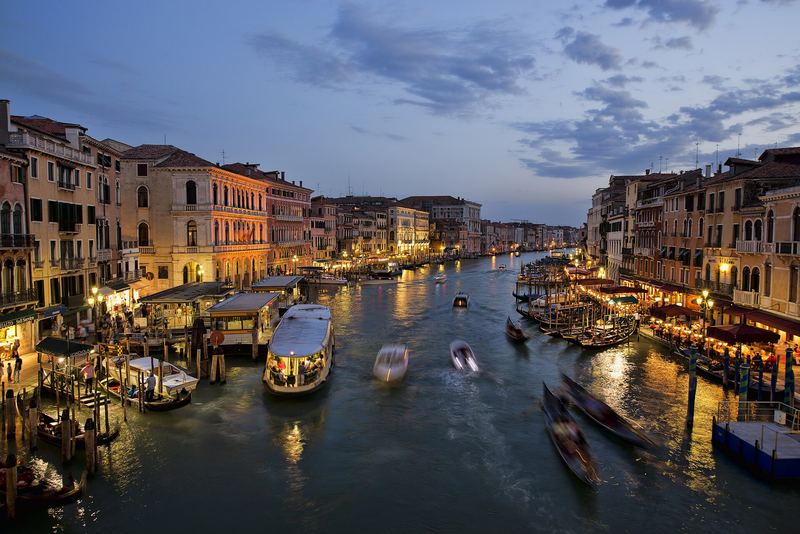
Venice is a city where the streets are water. A gondola glides beneath a stone bridge, the domes of St. Mark's glow at sunset and alleys open onto hidden courtyards and tiny bridges. Getting lost together is the main activity. By day the famous sights can be packed with visitors, but stay overnight and the city changes: empty campos, mist on the lagoon and wine bars with only locals inside.
Rome's romance lives between its monuments. Ivy-covered lanes in Monti, church bells in Trastevere and a fountain you stumble on in a small piazza with nobody around. The headline sights are as big as their reputation, yet it is the evening walk that most couples remember.
If you want hush and beauty, Venice is unmatched. If you want a city with a pulse, where dinner is a nightly event and history is part of the furniture, Rome suits you better.
Flights, Arrivals and Getting Around
Rome is the easier gateway. Fiumicino (FCO) has more nonstop service from the US than any other Italian airport, roughly eight to nine hours from the East Coast. The Leonardo Express reaches Termini in about half an hour, while licensed white taxis charge a fixed fare to the center.
Venice Marco Polo (VCE) has seasonal nonstops from some US cities, or you can connect through a European hub. The arrival is the best in travel: a private water taxi takes about 30 minutes and drops you at many hotel doors. The Alilaguna water bus is the cheaper option.
In both cities you will walk. Rome's center is compact, with buses and taxis filling the gaps and no reason to rent a car. Venice has no cars at all, so you get around on foot or by vaporetto water bus, with traghetto gondolas crossing the Grand Canal. Pack light for Venice, since you will carry bags over bridges.
Seasons and Crowds
The best months are similar. In Venice, April to June and September to October bring pleasant walking weather. In Rome, April, May, late September and October are the sweet spots, with warm days and gold light on the ochre buildings.
Summer is tough in both. Venice is hot and humid in July and August with its heaviest crowds, although the Redentore festival in July fills the lagoon with boats and fireworks. Rome often passes 90°F. Much of the city slows in mid-August.
Winter splits them. Venice is misty and atmospheric, with lower rates, plus the chance of acqua alta high tides; the MOSE barrier now holds back the worst of them. February brings Carnival, festive but very busy. Rome's winter is mild compared with the northern US, with some rain, thinner crowds, cheaper rooms and Christmas lights along Via del Corso.
Venice charges day-trippers an access fee on designated peak days, so check the city's official site and any registration it asks of hotel guests.
Where You Will Stay
In Venice, location shapes everything. St. Mark's puts you among the sights, Dorsoduro is artsy and relaxed, Cannaregio feels local and the Grand Canal is lined with palazzo hotels that look straight onto the water. Our pick is Hotel Cipriani, A Belmond Hotel, on the tip of Giudecca island, with gardens, the largest pool in the city and a launch to St. Mark's in about five minutes. It has been closed for a long renovation, so confirm it is open for your dates. Whatever you book, ask for a canal or lagoon view.
In Rome, stay inside the historic center so you can walk home after dinner. The area around Piazza Navona and the Pantheon is central and glows at night. Monti is younger, while Trastevere is the most atmospheric but can be noisy on weekends. Our pick is Hotel de Russie, a Rocco Forte Hotel, with a terraced garden off Piazza del Popolo near the Spanish Steps.
In both, ask for a quiet courtyard or high-floor room.
Cicchetti or Carbonara
Venetian food comes from the lagoon. The best introduction is a cicchetti crawl through the bacari, traditional wine bars serving small bites with an ombra, a little glass of wine. Look for baccala mantecato on polenta, sweet-and-sour sarde in saor and tiny fried seafood. At dinner, try risotto al nero di seppia, black with cuttlefish ink. The Bellini was invented at Harry's Bar and the spritz is the city's aperitivo.
Roman cooking is simple and proud of it. Work through the four classic pastas, cacio e pepe, carbonara, amatriciana and gricia, in a trattoria with a short handwritten menu. In the old Jewish Ghetto, order carciofi alla giudia. Breakfast is a cappuccino and a maritozzo filled with whipped cream. Testaccio is the place for a food walk.
Rome is the bigger eating city, with more variety and lower prices at neighborhood trattorias. Venice is the better place for a slow evening of small plates and wine on foot.
Days Out Together
Venice's highlights are gentle. Take a gondola at sunset and ask for the quieter back canals. Visit St. Mark's Basilica and the Doge's Palace early, or book the Secret Itineraries tour of hidden rooms. Spend a day island-hopping to Murano for glassblowing, Burano for its rainbow houses and Torcello for its Byzantine mosaics. Book an evening at La Fenice and wander Dorsoduro to the Peggy Guggenheim Collection.
Rome's list is longer and more ambitious. Book the first Vatican Museums slot and head straight to the Sistine Chapel. Reserve timed Colosseum tickets and the Borghese Gallery. At sunset, walk to the Giardino degli Aranci on the Aventine and peek through the Knights of Malta keyhole at St. Peter's dome. On Sundays, rent bikes on the Appian Way. Visit the Trevi Fountain late at night when the crowds thin.
Venice fills two or three days beautifully. Rome needs three or four and still leaves you wanting more.
Cost and Doing Both
Venice tends to cost more per night for a good location. Water taxis, gondolas and canal-side dinners add up quickly. Expect a nightly city tourist tax on your hotel bill. Rome's grand hotels near the Spanish Steps are a splurge too, but the city offers a wider range of good-value rooms and much cheaper everyday eating. Treat all prices as approximate ranges that rise in spring and fall.
Combining them is easy. High-speed trains link Venice Santa Lucia and Rome Termini in about four hours, often via Florence. A ten-night honeymoon could run three nights in Venice, three in Florence or the Tuscan countryside and four in Rome, then home from Fiumicino. If you have a week, split it three and four.
With only three or four nights, choose by mood. Venice is the dreamier choice. Rome is the livelier one, with easier flights.