Why Honeymoon in Tuscany
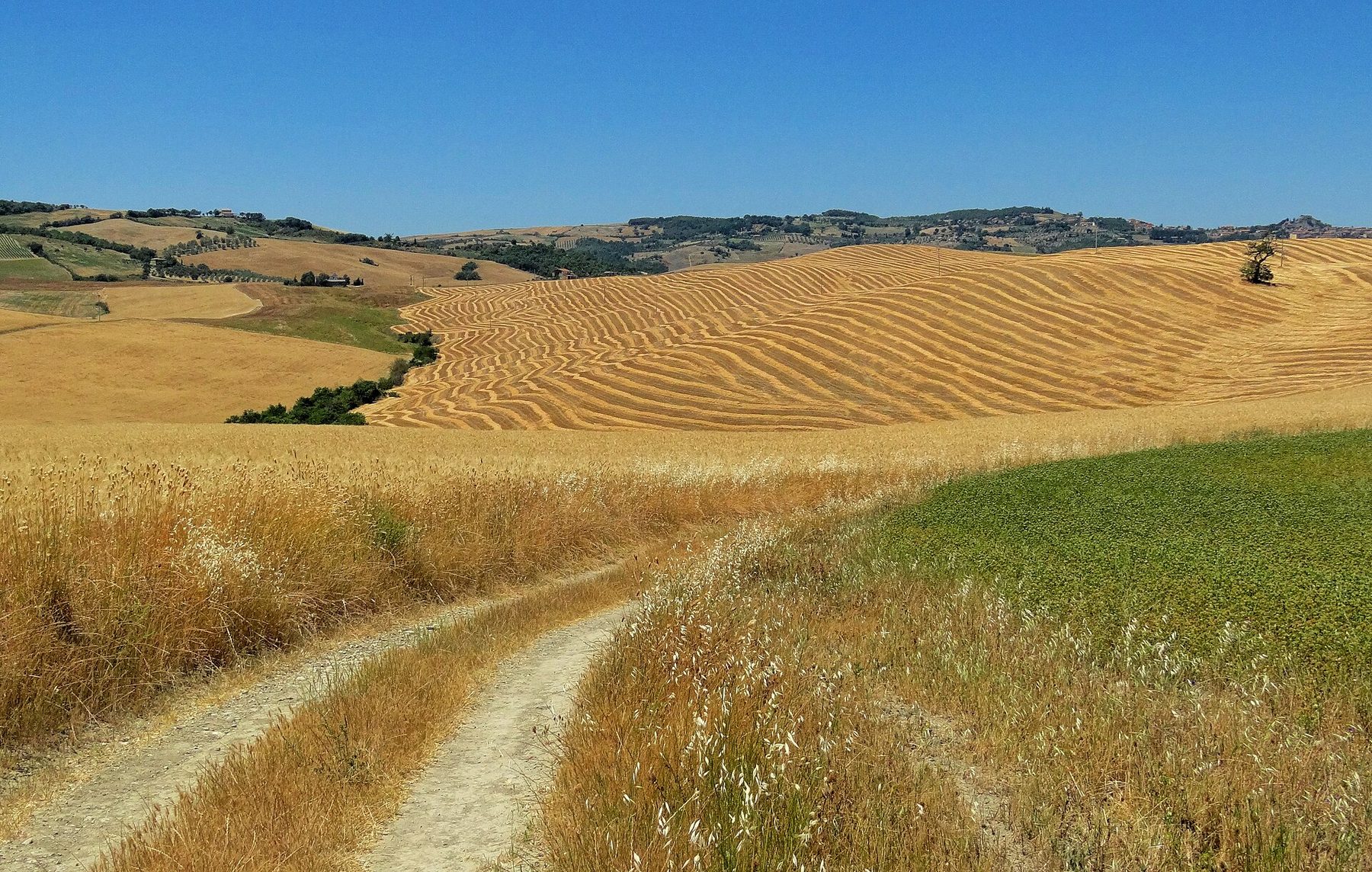
Tuscany rewards every sense, which makes it a natural place to celebrate together. Food and wine are the obvious draws: this is home to Chianti Classico, Brunello di Montalcino and Vino Nobile di Montepulciano, plus some of Italy's most soulful country cooking. But the region also offers art and architecture of world significance, a landscape that changes with every hour of light and countryside hotels that make you feel like the lords of your own estate.
It is also wonderfully flexible. Culture-loving couples can mix days in Florence and Siena with country stays. Wellness seekers can soak in natural hot springs. Active couples can cycle through vineyards or ride a Vespa along back roads. And Tuscany pairs beautifully with the coast or the lakes for a two-part honeymoon, so you can follow slow countryside days with the sea or the mountains.
When to Go
Late spring and early autumn are ideal. In May and June, the countryside is green and dotted with poppies, days are warm and you can eat outdoors most evenings. September and October bring the grape harvest, golden light and harvest festivals. October and November mark the start of the prized white truffle season around San Miniato.
July and August are hot, sometimes very hot. Florence and Siena are crowded, though countryside hotels with pools remain a pleasure. Early spring, in April, is fresh and lovely, with fewer tourists and blooming gardens.
Winter is quiet and atmospheric, with cozy dinners and olive oil pressing in late autumn, but many country hotels close for part of the off-season and days are short. For most honeymooners, May through mid-October offers the best balance of weather and atmosphere.
Where to Stay
In Tuscany, where you sleep matters as much as what you see. Rather than staying in a city, most honeymooners choose a countryside base: a restored villa, a wine estate, a hilltop castle or a family-run agriturismo set among olive groves.
Our favorite is Borgo Santo Pietro, a medieval villa near Chiusdino in the province of Siena, set on a roughly 300-acre organic farm. With only 22 rooms and suites, some with private pools, a Michelin-starred restaurant, Saporium, built around its own harvest and a spa using estate-grown botanicals, it captures everything romantic about Tuscany.
Beyond the countryside, Florence has excellent luxury hotels for a city interlude. Consider two bases: two or three nights in Florence for art and dining, followed by four or more in the countryside of southern Tuscany, Chianti or the Val d'Orcia.
Romantic Things to Do
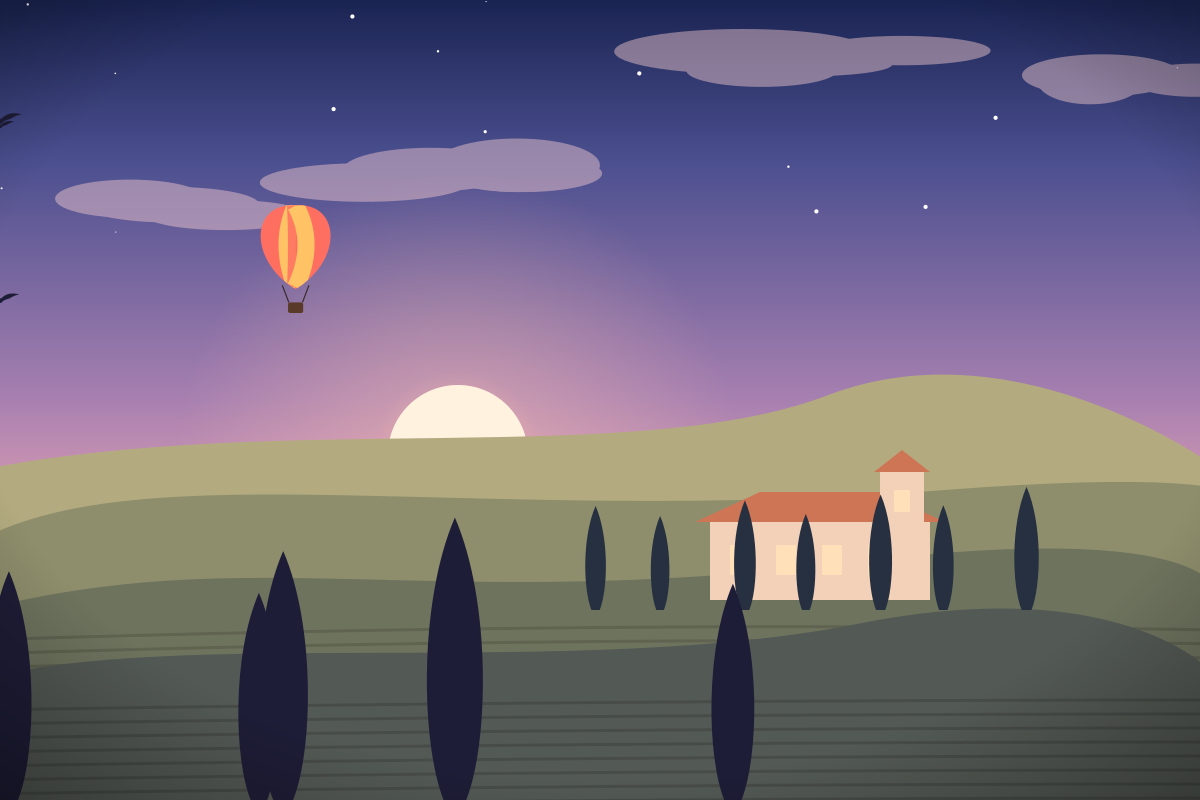
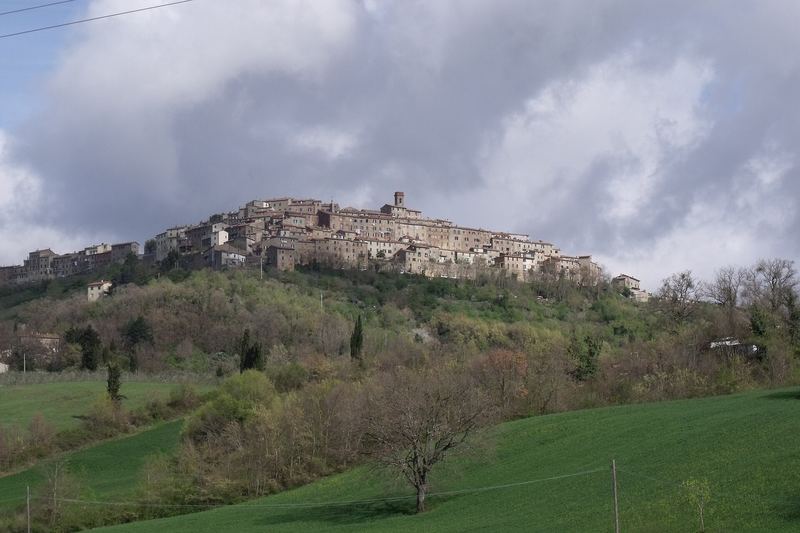
Drive the Val d'Orcia, a UNESCO World Heritage landscape of rolling hills, lone cypress groves and hilltop towns. Stop in Pienza, rebuilt in the 15th century as an ideal Renaissance town by Pope Pius II and famous for pecorino cheese. Make another stop in Montalcino for Brunello tastings at family cellars. Continue to Montepulciano for its Vino Nobile and wide-open views.
Soak together in natural thermal waters, whether in the historic village of Bagno Vignoni or at the cascading springs of Saturnia. Watch sunset from Siena's Piazza del Campo, one of the most beautiful squares in Europe, or climb San Gimignano's towers at golden hour.
Book a truffle hunt with a local guide and their dog, take a cooking class to learn handmade pici pasta, or explore the back roads by Vespa. And in Florence, see Michelangelo's David, cross the Ponte Vecchio and watch the city glow from Piazzale Michelangelo at dusk.
Getting There & Around
Many US travelers fly into Rome and take the high-speed train to Florence, which takes roughly an hour and a half. Florence (FLR) and Pisa (PSA) airports are convenient if you connect through a European hub. From either, the countryside is typically an hour to an hour and a half by car.
To explore Tuscany properly, you need a car or a driver. Trains link Florence, Pisa and Siena, but hill towns and wineries are best reached by road. If you rent a car, be aware of ZTLs, the limited-traffic zones in historic town centers that are camera-enforced and can lead to fines arriving months later. Park outside the walls and walk in.
For wine-tasting days, hire a private driver so you can both enjoy every glass. Your hotel can arrange drivers, guides and tastings.
Food & Drink
Tuscan cooking is rooted in simplicity and exceptional ingredients. Try bistecca alla fiorentina, a thick T-bone grilled over wood and served rare; pici, a hand-rolled thick spaghetti, often with garlicky tomato or ragu; pappardelle with wild boar ragu; and ribollita, the hearty bread-and-vegetable soup. Pecorino from Pienza, local olive oil and seasonal truffles are must-tastes.
Wine is the great love affair. Chianti Classico, from the hills between Florence and Siena, is lively and food-friendly. Brunello di Montalcino is powerful and age-worthy, while Vino Nobile di Montepulciano sits between the two. For something white, try Vernaccia di San Gimignano. Finish dinner the traditional way, dipping cantucci almond biscuits in sweet Vin Santo. Above all, embrace the rhythm of long lunches and late dinners; meals here are meant to be savored.
Honeymoon Tips
- Stay in the countryside and day-trip to the cities rather than the other way around.
- Book wine tastings in advance, especially at well-known Brunello and Chianti estates.
- Watch out for ZTL zones when driving into historic centers.
- Visit popular towns like San Gimignano and Siena early in the morning or late in the afternoon to avoid tour buses.
- Pack layers. Evenings can be cool even in summer, especially in the hills.
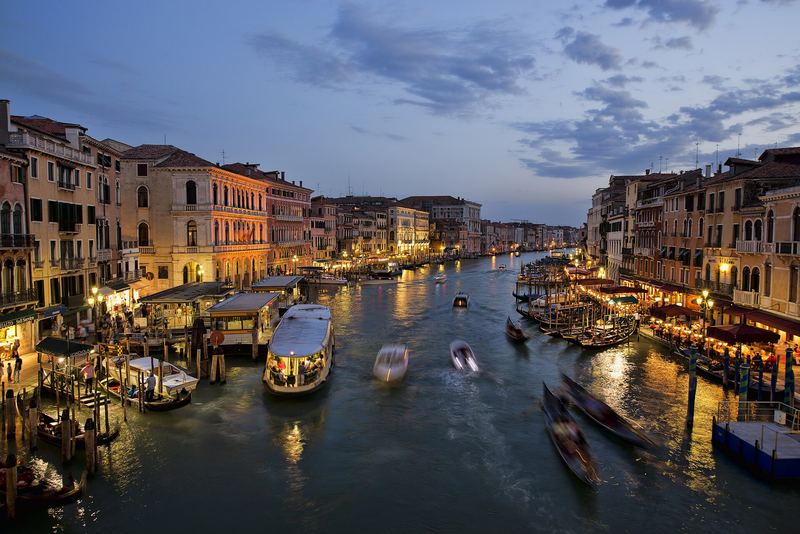
- Consider combining Tuscany with Venice, Lake Como or the Amalfi Coast for a two-part honeymoon.
- In late September and October, ask your hotel about harvest festivals and olive oil tastings nearby.