Why the Faroe Islands for a Honeymoon
Few places pack this much cliff and sea into such a small area. No point on the islands is more than about three miles from the ocean. A good road network, bridges and tunnels mean you can see a different island every day without packing up.
The islands also suit couples who like quiet over nightlife. Evenings are about long dinners, a drink by a harbor or a walk in the late summer light. The capital, Tórshavn, has enough restaurants and culture to keep a few rainy days interesting.
Then there is the food. Faroese cooks have built a reputation for fermented and air-dried lamb and fish, very fresh seafood and home dinners served by local families. A meal here can be the most memorable part of the trip.
Finally, it feels unhurried. People wave from cars. Sit together on a harbor wall at 11 p.m. in June with the sky still light. The rest of the world feels very far away.
Best Time to Visit
June, July and August are the best months. Days are very long, puffins nest on Mykines and other bird cliffs, boats run to the islands and the weather is as mild as it gets. Highs are typically in the low to mid 50s°F.
Late May and early September are good shoulder weeks with fewer visitors and still decent light. Some tours and helicopter routes run less often.
Winter is mild for the latitude, with highs in the low 40s°F, but days are short and gales roll through often. Hiking becomes harder and many guesthouses close. Northern lights are possible on clear nights, though cloud often hides them.
Plan around July 28 and 29 if you can. Ólavsøka, the national festival, fills Tórshavn with rowing races, chain dancing and people in national dress.
Where to Go
Tórshavn, the small capital on Streymoy, is the natural base. Its old quarter of Tinganes has turf-roofed government offices on a rocky point between two harbors. Its restaurants are the best in the country.
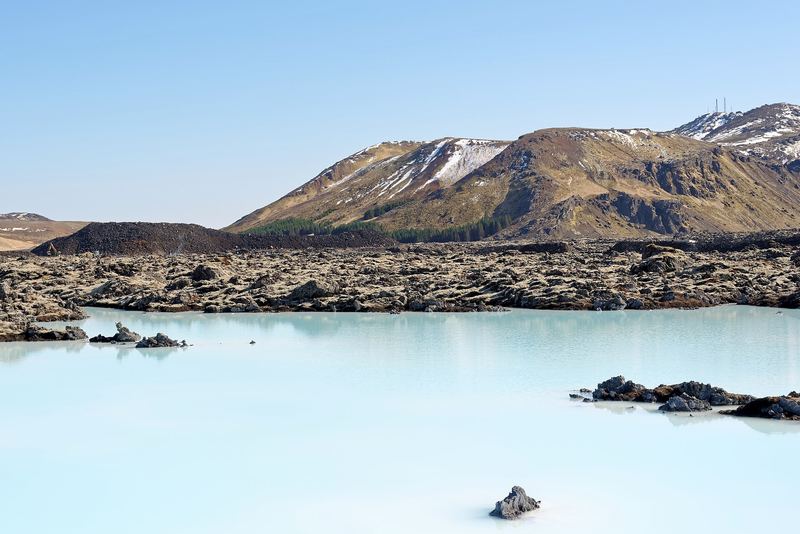
Vágar, the airport island, holds the classic views. Múlafossur waterfall drops off a cliff below the village of Gásadalur. The Sørvágsvatn lake trail leads to Trælanípa, where the lake appears to float above the sea.
Mykines, a short ferry or helicopter ride west of Vágar, is the puffin island. North of Streymoy, the village of Gjógv has a natural harbor in a gorge. Saksun has a turf-roofed church above a tidal lagoon. On Kalsoy, the Kallur lighthouse walk ends on a narrow ridge high above the sea.
Sample 8-Day Itinerary
Day 1: Land at Vágar and walk to Múlafossur in Gásadalur on the way to your hotel. Spend the evening in Tórshavn.
Day 2: Explore Tinganes, the harbor and the Nordic House. Drive to Kirkjubøur for medieval ruins and a turf-roofed farmhouse.
Day 3: Take a boat trip under the Vestmanna sea cliffs, then drive to Saksun and Tjørnuvík.
Day 4: Cross to Eysturoy through the undersea tunnel. Visit Gjógv and the sea stacks off Eiði.
Day 5: Day trip to Mykines for puffins, booked ahead.
Day 6: Hike to Trælanípa above Sørvágsvatn, then share a heimablídni dinner in a local family's home, the evening most couples remember best.
Day 7: Drive north to Klaksvík and take the ferry to Kalsoy for the Kallur lighthouse.
Day 8: A slow morning, then fly out. Keep an extra day if your connection is tight.
Budget and Costs
The Faroes are expensive, roughly on par with Iceland or Norway. These are approximate figures.
A good hotel room in Tórshavn often costs $200 to $400 a night in summer. Guesthouses and holiday homes in villages can be cheaper and more private. Car rental runs high in peak season, so book early.
Plan on tunnel tolls for the Vágar, Northern Isles and Eysturoy crossings, which are charged automatically and billed through your rental company. Popular hikes charge landowner fees, commonly around $25 to $40 per person. A Mykines visit adds ferry or helicopter fares plus its own access fee.
A fine dining tasting menu can run several hundred dollars for two before wine. Home dinners and casual harbor restaurants cost less. Alcohol stronger than light beer is sold only in state shops and licensed venues. It is pricey.
Getting There and Around
Vágar Airport is the only airport. Atlantic Airways and SAS fly from Copenhagen year round. Other routes include Reykjavik with Icelandair in summer, Bergen with Widerøe and seasonal flights from Edinburgh, London and Paris. There is no nonstop from the US, so expect to connect.
Smyril Line also runs a car ferry between Hirtshals in Denmark and Tórshavn, continuing to Iceland.
A rental car is the easiest way to get around. Undersea tunnels link Vágar and Eysturoy to Streymoy. A newer one reaches Sandoy. Roads are good but narrow in villages. Sheep wander onto them. Blue intercity buses reach every settlement, though not often. Car ferries serve the outer islands. The subsidized helicopter service flies to remote ones.
Culture and Etiquette
Faroese people see themselves as a nation of their own rather than as Danes, so avoid calling the islands part of Denmark in conversation. Independence is an ongoing debate. Listen if it comes up.
Much of the land is privately owned grazing land. Stay on marked paths, close gates behind you and pay hiking fees without complaint. Several farmers introduced them after crowds damaged their fields.
The traditional pilot whale hunt, the grindadráp, is still practiced. It is a sensitive subject. Criticism from visitors tends to land badly.
Church is part of everyday life. Sundays are quiet in villages. Dress for the weather rather than fashion. Locals respect hikers who turn back in fog more than those who push on.
Quick tips
- Rent a car; the tunnels and bridges make day trips easy, but tolls apply on several tunnels.
- Budget for landowner hiking fees at popular viewpoints such as Trælanípa and Mykines.
- Keep a spare day at the end, since summer fog regularly delays flights at Vágar.