Cliffs and Turf Roofs Versus Fire and Ice
The Faroes are about drama at close range. No point on the islands is more than about three miles from the ocean. Múlafossur waterfall drops off a cliff below the village of Gásadalur. The trail to Trælanípa ends where Sørvágsvatn lake seems to hang above the sea. On Kalsoy, the Kallur lighthouse walk ends on a narrow ridge high over the water. Villages such as Gjógv and Saksun look much as they did a century ago.
Iceland is about variety. In the southwest alone you get the rift valley at Þingvellir, Geysir, Gullfoss, black-sand beaches near Vík and glacier hikes on the South Coast. Snæfellsnes adds a glacier volcano and Kirkjufell. North Iceland adds the craters at Lake Mývatn and whale trips from Húsavík.
The Faroes feel like one long coastal walk. Iceland feels like several countries stitched together. Both are spectacular. Neither needs a filter.
Flights From the US
Iceland has the clear edge. Nonstop flights from the US East Coast reach Keflavík in about five to six hours, so you can land in the morning and be in the water by lunch. The Retreat at Blue Lagoon is about 20 minutes from the airport. Some transatlantic airlines also let you add an Iceland stopover to a European trip.
The Faroes have no nonstop flights from the US. Most couples connect through Copenhagen, which has year-round flights on Atlantic Airways and SAS, or through Reykjavík on Icelandair in summer. Seasonal flights also run from Edinburgh, London and Paris. Widerøe flies from Bergen. Vágar Airport, the only airport, is about two hours from Copenhagen. Smyril Line also runs a car ferry from Hirtshals in Denmark.
The Reykjavík link is useful because it makes the two easy to combine in summer. Keep an extra day at the end of a Faroes trip if your connection is tight, since fog can delay flights.
Seasons and Light
In the Faroes, June through August is the clear choice. Days are very long, puffins nest on Mykines, boats run and highs sit in the low to mid 50s°F. Late May and early September are good shoulder weeks. Winter is mild for the latitude but short on daylight, with frequent gales and many guesthouses closed. The aurora is possible, but cloud often hides it. Ólavsøka, the national festival on July 28 and 29, fills Tórshavn with rowing races and chain dancing.
Iceland has two honeymoon seasons. Summer brings near 24-hour daylight, puffins and the easiest driving, along with the biggest crowds and highest prices. Winter, November to March, is aurora season, with snowy landscapes and lagoons at their most atmospheric, though December has only four or five hours of daylight. April to May and September to October balance both.
If you want the northern lights, Iceland is the stronger bet. For a summer walking honeymoon, both shine.
Where You Will Sleep
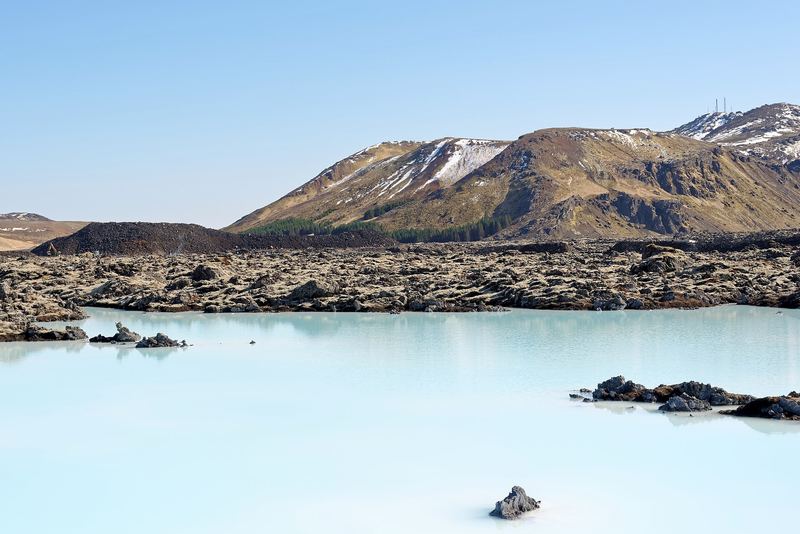
Iceland has a far deeper hotel scene. The Retreat at Blue Lagoon is a suite hotel with a private lagoon and subterranean spa on the Reykjanes Peninsula. The ION Adventure Hotel near Þingvellir has a bar built for watching the aurora. Hótel Búðir sits beside a black church on Snæfellsnes, typically from around $300 a night (approximate). Near the glacier lagoon at Jökulsárlón, Hótel Jökulsárlón and Fosshotel Glacier Lagoon run from about $300 to $330 (approximate). At the very top, Eleven Deplar Farm in North Iceland is a remote luxury lodge from roughly $4,200 a night (approximate).
The Faroes are smaller scale. Tórshavn has the best hotels and restaurants, with good rooms often $200 to $400 a night in summer (approximate). Outside the capital, the usual stays are village guesthouses and holiday homes, often cheaper and more private, some with turf roofs and harbor views.
In Iceland you can plan the trip around the hotels. In the Faroes you plan around the landscape and pick a cozy base.
Two Expensive Places
Both cost about the same as Norway, which is to say a lot. All figures are approximate.
Iceland's luxury hotels run well into four figures a night, while countryside hotels are lower, especially outside summer. A casual lunch for two can top $50, a nice dinner with wine often runs $150 or more and alcohol is heavily taxed. Rental cars, fuel and tours such as Silfra snorkeling or glacier hikes add up. Many visitors buy wine at the airport duty-free shop on arrival.
The Faroes add their own extras. Tunnel tolls are billed through your rental company. Popular hikes charge landowner fees, commonly $25 to $40 per person. A Mykines visit adds ferry or helicopter fares plus its own access fee. A tasting menu can run several hundred dollars for two before wine. Home dinners and harbor restaurants cost less.
Iceland gives you more ways to spend. The Faroes give you fewer, but you will still need a healthy budget.
Shared Adventures
In the Faroes, the days are walks and boat rides. Take a boat under the Vestmanna sea cliffs. Hike to Trælanípa above Sørvágsvatn. Book ahead for a day trip to Mykines for the puffins. Cross to Eysturoy through the undersea tunnel and visit Gjógv and the sea stacks off Eiði. Drive north to Klaksvík and ferry to Kalsoy for the lighthouse. End one evening at a heimablídni dinner in a local family's home, which many couples call the best night of the trip.
In Iceland, the days mix effort and soaking. Snorkel Silfra between tectonic plates. Hike a glacier with a certified guide. Drive the Golden Circle and the South Coast waterfalls. Watch for the aurora from a hot pool. Fly to Akureyri for Lake Mývatn's nature baths and whale trips from Húsavík.
The Faroes suit couples who like long walks and longer conversations. Iceland suits couples who want a bit of everything.
Safety and Local Customs
Weather sets the rules in both. Fog rolls in without warning in the Faroes. Locals respect hikers who turn back more than those who push on. Much of the land is private grazing, so stay on marked paths, close gates and pay hiking fees. Sheep wander onto roads. The pilot whale hunt is a sensitive subject, so listen rather than lecture. Faroese people see themselves as a nation of their own, so avoid calling the islands part of Denmark.
In Iceland, check road conditions, safety alerts and weather each day. Stay well back from the surf at Reynisfjara, where sneaker waves have killed visitors. Walk on glaciers only with a certified guide. Off-road driving is illegal. The Reykjanes Peninsula is volcanically active and eruptions have periodically closed the Blue Lagoon, so keep that night early in your plan. Shower without a swimsuit before entering any pool or lagoon.
For both, pack waterproofs, wool layers and broken-in hiking shoes in every season.
Pairing Them in Summer
The two combine neatly between June and August, thanks to Icelandair's summer flights between Reykjavík and Vágar. Smyril Line's ferry also continues from Tórshavn to Iceland for couples with time and a love of sea travel.
A good two-week plan: fly nonstop to Keflavík and spend a first night at the Blue Lagoon to recover. Give Iceland six or seven nights for Reykjavík, the Golden Circle and the South Coast, or swap the coast for Snæfellsnes. Then fly to Vágar for five or six nights in the Faroes, based in Tórshavn or split with a village guesthouse. Fly home through Copenhagen or back through Reykjavík.
If you only have a week, do not split it. Choose Iceland for a first visit and save the Faroes for an anniversary.