Why Honeymoon in Fakarava
Fakarava offers the underwater experience many divers dream about. Drifting through the south pass with grey reef sharks, groupers and schools of fish is extraordinary. Snorkelers can enjoy calmer coral gardens nearby.
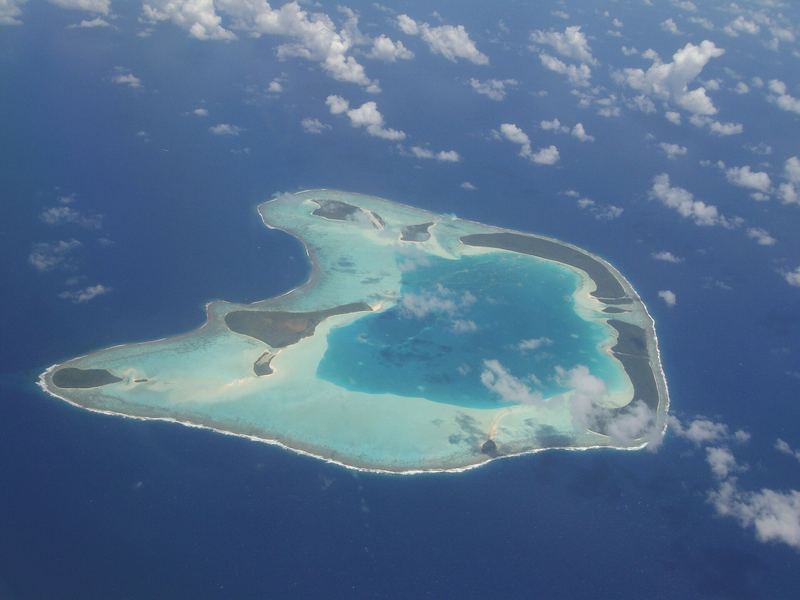
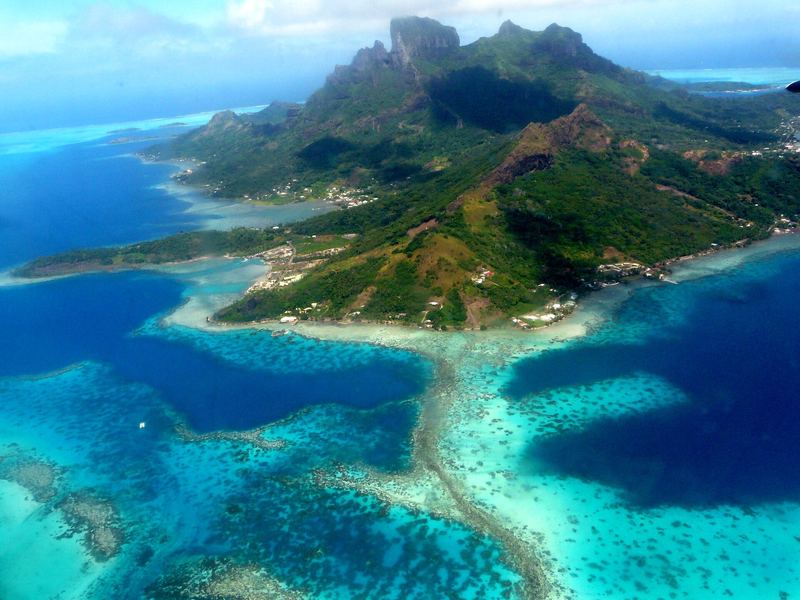
Above the water, the atoll is quiet and flat, with coconut palms, white and pink sand and a lagoon of every shade of blue. There is little to do except swim, cycle, read and eat fresh fish.
It feels far from the busier Society Islands. Accommodation is mostly small guesthouses and a few modest hotels, often run by families who also farm pearls. For couples who want privacy and nature, that is the appeal.
When to Go
The dry season, roughly May to October, offers the most reliable weather. Days are sunny and breezy and the sea is often calm for boat trips to the south pass.
June and July are especially popular with divers because thousands of marbled groupers gather in the south pass to spawn around the full moon, drawing even more sharks. Book early if you want those dates.
November to April is warmer and wetter, with occasional storms. Cyclones are uncommon but possible in the Tuamotus, mostly from about January to March. Visibility underwater is good year-round. Diving runs in every season.
Where to Stay
Most accommodation is near Rotoava in the north, close to the airport and the north pass. Le Maitai Dream Fakarava is the main hotel, with bungalows by the lagoon. Several family-run pensions and pearl farm guesthouses line the road, many with kayaks and bikes.
In the south, Tetamanu Village sits right on the south pass, with simple bungalows and its own dive center. It is ideal for divers but remote, reached by a boat ride of about an hour or more from Rotoava.
Expect simple comforts. Air conditioning is not always available. As a rough guide, expect about US$150–400 a night, often with some meals included.
Romantic Things to Do
Dive or snorkel the Tumakohua south pass with a licensed dive center. The drift dives are best for experienced divers, but snorkelers can enjoy coral gardens near Tetamanu.
Take a full-day boat trip to the south of the atoll to visit the pink sand beaches, swim in clear shallows and picnic on a deserted motu.
Rent bikes and cycle the coral road from Rotoava, stopping at small beaches and pearl farms.
Visit a pearl farm to learn how Tahitian black pearls are grown and pick one as a keepsake.
At night, lie on the beach and watch the stars. With little light pollution, the Milky Way is bright on clear nights.
Getting There and Around
International flights land at Tahiti Faa'a Airport (PPT), with nonstops from Los Angeles and San Francisco and service from Honolulu. Flight time from Los Angeles is about 8 hours.
Air Tahiti flies from Papeete to Fakarava Airport (FAV), with some flights routing via other atolls such as Rangiroa. Schedules vary by day of the week, so book early and check the timetable.
Fakarava Airport is just outside Rotoava. Most guesthouses offer transfers.
In the north, bikes are the main way to get around on the single road. The south is reached only by boat, usually on a tour or a transfer arranged by your accommodation.
Food and Drink
Dining on Fakarava is simple and often included in your accommodation. Many pensions serve half-board, with breakfast and dinner featuring fresh lagoon fish, coconut and local produce.
Try poisson cru, raw fish marinated in lime and coconut milk. Grilled parrotfish and tuna are common too.
Rotoava has a handful of small restaurants and snack bars, plus a few shops selling basics. Choice is limited and prices are high, since most food is shipped in.
Bring snacks and any special items from Tahiti. Alcohol is available but expensive. A bottle of wine for sunset on the beach is worth packing.
Honeymoon Tips
Bring enough cash in French Pacific francs (XPF). Cards are not always accepted and ATMs are limited.
If only one of you dives, the other can snorkel or join the boat for a beach day in the south.
The south pass dives are for experienced divers. Be honest about your experience with the dive center.
Mosquitoes are present and dengue occurs in French Polynesia. Use repellent, especially at dusk. If you're pregnant or hoping to be soon, check CDC travel health notices.
Internet is slow and sometimes unavailable. Treat it as a chance to disconnect. Pack reef-safe sunscreen and rash guards.