


Why Honeymoon in Bora Bora
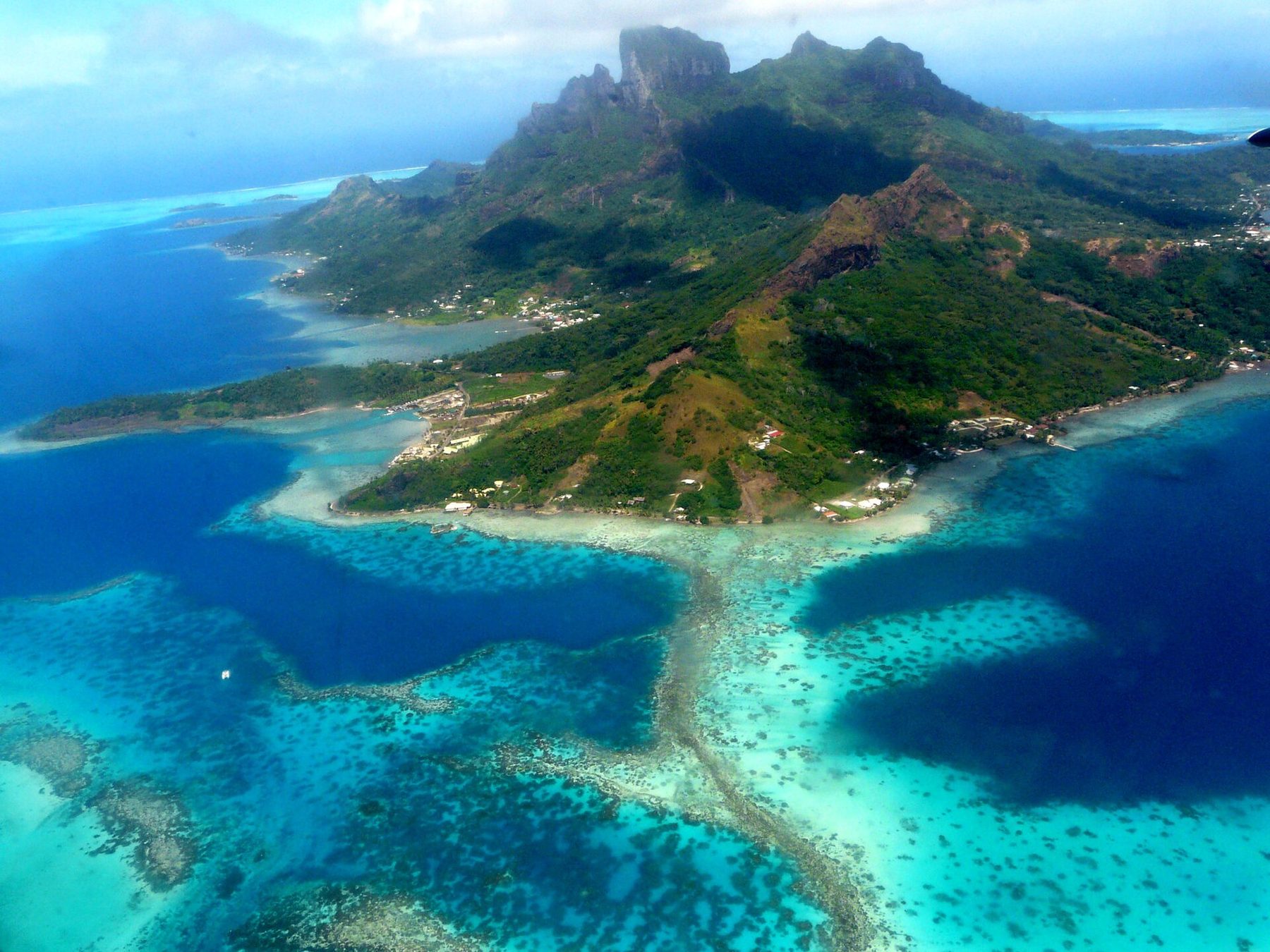
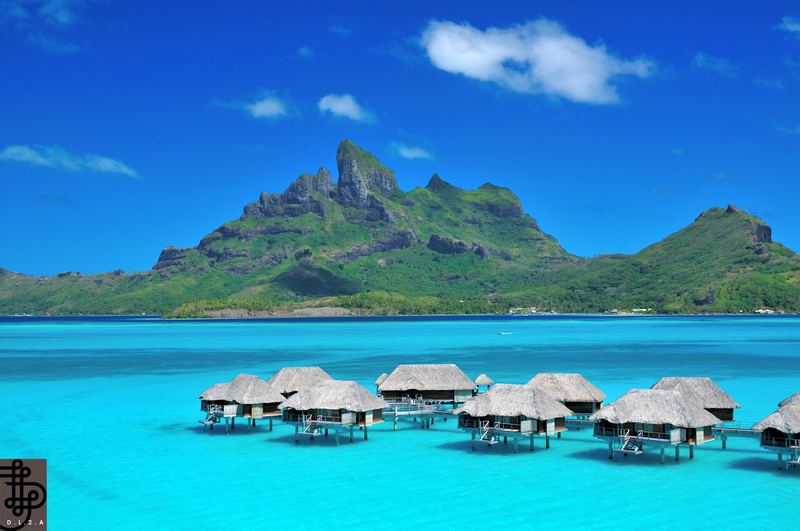
Bora Bora's appeal comes down to the lagoon. Protected by an outer reef, it glows in shades from pale aquamarine to deep sapphire. Its calm, warm water is ideal for swimming, paddling and snorkeling straight from your bungalow. Blacktip reef sharks, stingrays and rainbow-colored reef fish are everyday sights.
The second ingredient is Mount Otemanu, the jagged remnant of an ancient volcano that rises from the center of the island. You might see it at dawn, wrapped in clouds or glowing pink at sunset; either way, it gives every view real drama.
Finally, there are the resorts. Bora Bora has one of the world's highest concentrations of luxury overwater bungalows, with some of the most polished service in the Pacific. For a honeymoon you will only take once, it remains the gold standard.
When to Go
Bora Bora is warm year-round, with temperatures generally in the 70s and 80s Fahrenheit. The drier season runs roughly May to October, bringing lower humidity, sunnier skies and pleasant trade winds. This is peak season, so book well ahead, especially for June through August.
November to April is the warmer, wetter season. Rain often comes in short tropical bursts rather than all-day downpours. Rates and availability may also be better. This period also falls within the South Pacific cyclone season, although direct hits on Bora Bora are uncommon.
The shoulder months of April, May, October and November often strike a good balance of weather and value. Humpback whales visit French Polynesia from roughly July to October, adding another reason to travel in the drier months.
Where to Stay
Four Seasons Resort Bora Bora, on Motu Tehotu, is the benchmark: around 100 overwater bungalows, many with plunge pools and Otemanu views, a marine sanctuary lagoon with resident biologists and a glass-floored couples' spa suite.
The St. Regis Bora Bora Resort, on Motu Ome'e, offers some of the largest overwater villas in the South Pacific, a private Lagoonarium for snorkeling, a spa on its own islet and a kid-free pool.
Conrad Bora Bora Nui, on hilly Motu To'opua, wraps around a sheltered cove, with a hilltop spa, a strong dining lineup and Island Host service.
The InterContinental Bora Bora Resort & Thalasso Spa, known for its deep-seawater spa and Otemanu views, closed in June 2026 for a full renovation; check for reopening news.
Beyond these, Bora Bora has other resorts on the motus and around Matira Point, plus small family-run pensions on the main island for more budget-conscious travelers. As a rough guide, overwater bungalows at the top resorts run from around $1,000 to several thousand dollars a night, while pensions often cost a few hundred (approximate).
Romantic Things to Do
Bora Bora's best experiences revolve around the lagoon. Join a snorkel tour to swim with blacktip reef sharks and stingrays in shallow, sandy water (choose an operator that doesn't feed them), or explore coral gardens bursting with fish. Many tours include a picnic lunch on a motu.
On land, a 4x4 tour of the main island visits WWII cannons left behind by American forces, who built a supply base here during the war, along with viewpoints over the lagoon. Hike with a guide for even bigger views, or rent a bike to circle the island's coastal road.
For romance, book a sunset cruise, a canoe breakfast delivered to your bungalow or a private dinner on the beach. Divers can explore the lagoon and the outer reef, where rays and sharks are common. A helicopter flight gives you a bird's-eye view of the lagoon that photos never quite capture.
Getting There & Around
From the US, fly nonstop from Los Angeles or San Francisco to Papeete (PPT) on Tahiti, about 8 to 9 hours. Then connect on Air Tahiti for the roughly 50-minute flight to Bora Bora Airport (BOB), which sits on Motu Mute, an islet on the lagoon's northern edge. Air Tahiti offers several flights daily.
From the airport, your resort's boat will collect you for a transfer of roughly 10 to 20 minutes, depending on the property. Some resorts include transfers, while others charge per person.
Once there, most travel happens by boat. Resorts on the motus run shuttles to Vaitape, the main village. Tours typically pick you up at your resort jetty. On the main island, you can rent a car, scooter or bike to drive the coastal road.
Food & Drink
Bora Bora's cuisine blends French technique with Polynesian ingredients. Look for poisson cru, raw tuna marinated in lime and coconut milk, the national dish of French Polynesia. Grilled mahi-mahi, fresh lagoon fish, vanilla-infused sauces and tropical fruit such as pineapple, papaya and mango are staples.
Most honeymooners eat at their resort, where restaurants range from casual beach grills to fine dining. Prices are high, as almost everything is imported, so meal packages can make sense. On the main island, Vaitape has small restaurants and snack bars serving local dishes at more modest prices.
Don't miss a Polynesian night at your resort, with traditional dance, drumming and a buffet of local specialties. And of course, toast the sunset with a tropical cocktail as Otemanu turns pink.
Honeymoon Tips
A few insider tips to make your Bora Bora honeymoon even better:
- Request an Otemanu-view bungalow for the classic view of the peak
- Book a breakfast or half-board package to manage high dining costs
- Stay at least five nights in Bora Bora, or combine it with Moorea or Tetiaroa
- Pack reef-safe sunscreen, a rash guard and water shoes
- Bring some cash in CFP francs for small purchases in Vaitape
- Tell your resort you are on your honeymoon; many offer special touches
Pack insect repellent for evenings on the main island. Consider travel insurance covering interisland flights, which can occasionally be affected by weather.