At a glanceFive nights on Maui's sunny south shore and five on Kauaʻi, linked by a flight of under an hour. It suits couples who want one polished resort stretch and one wilder, greener island with boat days and canyon views. The best months are April to May and September to October, with whales from December to April.
Maui and Kauaʻi are the classic two-island Hawaii honeymoon and this 11-day route gives each one five nights, so you unpack twice and never feel rushed. Maui comes first. You base yourselves in Wailea on the dry south shore, catch sunrise from the summit of Haleakalā, drive the Road to Hana and spend lazy afternoons at the pool. Then a short interisland flight takes you to Kauaʻi, where the pace drops and the scenery gets wilder: the Nā Pali Coast from the water, Waimea Canyon from the rim and long evenings at Hanalei Bay.
The order matters. Maui has the bigger resorts and more to organize, so it suits the first, more energetic half of the trip. Kauaʻi rewards couples who have already slowed down. The best months are April to May and September to October, when rates ease and the weather is reliably good. From December to April, humpback whales add a bonus to both islands, though Kauaʻi's North Shore is wetter in winter.
The route
- MauiUnited States · 5 nights
- KauaʻiUnited States · 5 nights
- Best months
- April to May and September to October; December to April for whales
- Trip length
- 11 days
- Budget
- About $600–1,500 a night for two in upscale resorts, more at the top properties in winter (approximate)
Day by day
Days 1–3: Wailea, Maui
Fly into Kahului Airport (OGG), pick up your rental car and drive about 30 to 40 minutes to Wailea. Check in, get in the water and go to bed early. Jet lag works in your favor here, because day two starts in the dark.
Haleakalā sunrise is the romantic moment of Maui. Reserve a sunrise slot with the National Park Service well ahead, leave Wailea around 3 a.m. and bring every warm layer you packed. The summit sits above 10,000 feet and it is often near freezing at dawn. Watching the sky change color over the crater, wrapped in one blanket, is worth the alarm. Drive down slowly, stop for breakfast Upcountry in Makawao or Kula and spend the afternoon asleep by the pool.
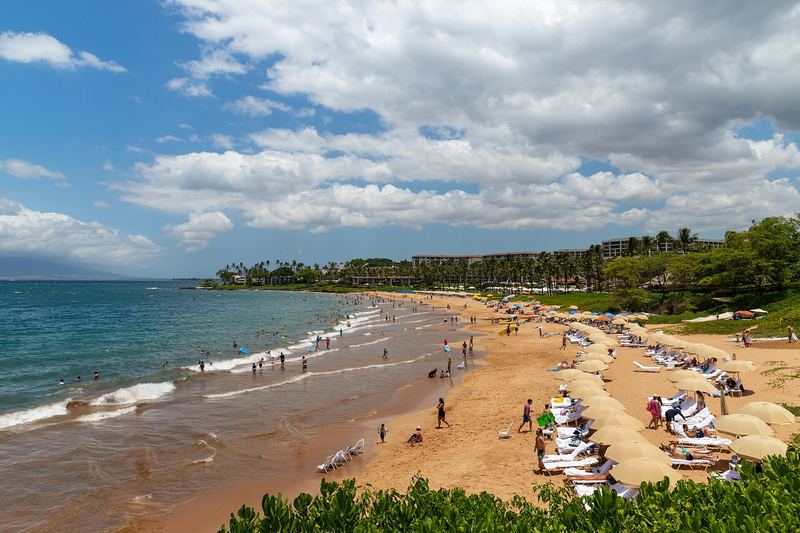
On day three, take a morning boat to snorkel Molokini Crater, when the water is calmest. Afternoons belong to Wailea Beach and the coastal walking path, which links the resorts and is lovely at sunset. Book a sunset sail off Wailea for one evening, especially in whale season.
Days 4–5: The Road to Hana and a Slow Day
Give the Road to Hana a full day. Leave early, take snacks and cash for the banana bread and fruit stands and stop often: the Waiʻānapanapa black sand beach (reserve entry and parking ahead), bamboo forests and waterfalls by the roadside. The road has hundreds of curves and many one-lane bridges, so the passenger gets the views and the driver gets the pride. Turn back with enough light to drive in daylight, or book a guided tour if neither of you wants to drive it.
Day five is your slow day. Book a couples massage, read in a cabana and do nothing that requires a reservation. This is the night for your Maui splurge dinner. Hotel Wailea's private Treehouse dinner is the most romantic table on the island, while Spago at the Four Seasons faces the sunset.
If you are here in winter, keep watching the water. Humpbacks often breach close enough to see from the shore, so carry binoculars to breakfast.
Days 6–8: Kauaʻi and the Nā Pali Coast
Fly from Kahului to Līhuʻe (LIH), a hop of well under an hour in the air. Choose your Kauaʻi base by season. From May to September, the North Shore is at its best and 1 Hotel Hanalei Bay, on the Princeville bluff, makes a striking splurge. From October to April, consider the sunnier south shore around Poʻipū, where the swimming beaches are calmer.
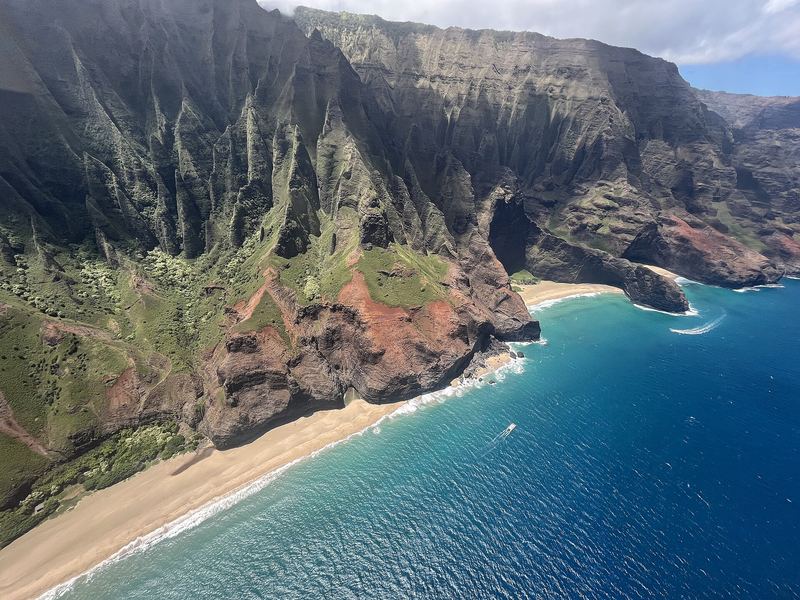
Spend day seven on the water. A Nā Pali Coast catamaran tour shows you the fluted green cliffs, sea caves and spinner dolphins that most visitors only see in photos. Morning trips usually have the calmest seas. Summer sailings often include snorkeling.
Keep day eight easy: a late breakfast, a swim and sunset at Hanalei Pier, where the mountains turn gold behind the bay. If you are staying on the North Shore, reserve entry to Hāʻena State Park ahead for Kēʻē Beach and the start of the Kalalau Trail. The two-mile hike to Hanakāpīʻai Beach is muddy and steep. Do not swim there, since the currents are deadly.
Days 9–11: Waimea Canyon and Your Last Island Days
Drive to the west side on day nine for Waimea Canyon and the Kōkeʻe lookouts. Go early, before clouds settle into the valleys. The Kalalau Lookout, at the end of the road, looks straight down into the Nā Pali valleys and is the romantic moment of Kauaʻi on a clear morning. Stop for shave ice in Waimea town on the way back.
For something different, paddle the Wailua River to Secret Falls with a guided kayak tour, or book a doors-off helicopter flight. The helicopter is the splurge here and the only way to see much of the island's interior.
Save day ten for nothing at all. Pick a beach that suits the season, bring a picnic and stay for sunset. Your last morning is easy, since Līhuʻe Airport is small and an hour or less from most resorts. Many West Coast flights leave in the afternoon or evening, so ask about a late checkout and keep one swimsuit in your carry-on.
Getting Between Stops
Kahului (OGG) on Maui and Līhuʻe (LIH) on Kauaʻi both have nonstop flights from several West Coast cities, so you can fly into one and home from the other without backtracking. Book an open-jaw ticket from the start; it usually costs about the same as a round trip.
The Maui to Kauaʻi hop runs well under an hour in the air, mostly on Hawaiian Airlines, either nonstop or via Honolulu. Allow most of a morning door to door with the rental car return, security and the drive at the other end. Pack light enough to avoid excess bag fees on the interisland leg.
Rent a car on each island. Maui's fleet can sell out in peak season and Kauaʻi has one main highway that does not circle the island, so North Shore to west side means driving the long way around, about two hours or more.
Where to Stay
On Maui, Wailea is the easiest honeymoon base: dry, sunny and lined with resorts on a shared beach path. Hotel Wailea is the kid-free option, a small Relais & Châteaux hotel on the hillside with the Treehouse dinner. Four Seasons Resort Maui at Wailea sits right on Wailea Beach with a kid-free pool and excellent service. If you prefer West Maui, Montage Kapalua Bay has residence-style suites between two bays.
On Kauaʻi, 1 Hotel Hanalei Bay on the Princeville bluff has views across Hanalei Bay to the peak called Makana. It is the splurge of the trip and best from late spring to early fall. Poʻipū on the south shore has several beach resorts and condos that usually cost less and get more sun in winter.
As a rough guide, top resorts on both islands run well over $1,000 a night in high season (approximate).
Advertisement
When to Go
April to May and September to October are the sweet spots, with warm water, steady trade winds and lower rates than winter or summer holidays. Both islands are warm year-round, with coastal highs in the upper 70s to upper 80s Fahrenheit.
From December to April, humpback whales gather in the channels off Maui and pass Kauaʻi too. Peak sightings usually run January through March. This is also the busiest and priciest season.
Kauaʻi's North Shore is wettest from October to April, when big winter surf closes many beaches to swimming and Nā Pali boat tours may run from the south side only. Summer is the best time for the North Shore and for calm snorkeling, though school holidays bring families. Showers can happen on any day on Kauaʻi, so pack a light rain jacket for both of you.
Budget and Booking
Hawaii rewards couples who book early. Reserve in this order: flights, your two hotels, the Haleakalā sunrise slot, rental cars, then tours.
The Haleakalā sunrise reservation opens in advance on the national park's booking site and sells out. Waiʻānapanapa on the Road to Hana and Hāʻena State Park on Kauaʻi also need advance reservations for visitors. Book the Nā Pali catamaran and any helicopter flight early in your Kauaʻi stay, so you can reschedule if the weather turns.
As an approximate guide, expect $600 to over $1,500 a night for upscale resorts, plus resort fees and parking. Snorkel cruises and sunset sails typically cost a few hundred dollars for two. A helicopter flight costs more. Mention your honeymoon when you book. Resorts often add a small welcome treat or an upgrade when one is available.
Staying Comfortable and Safe
The ocean is the main risk in Hawaii. Swim at lifeguarded beaches, read the warning signs and stay out of the water when the surf is up, especially on north-facing beaches in winter. Never turn your back on the waves at rocky shorelines.
At the Haleakalā summit, the thin air and cold can catch you out. Move slowly and dress warmly. If either of you has heart or breathing problems, talk to your doctor before going up at night.
Use reef-safe mineral sunscreen. Hawaii bans sunscreens with oxybenzone and octinoxate, so check labels before you pack. Bring insect repellent for evenings on Kauaʻi. If you're pregnant or hoping to be soon, check CDC travel health notices before you book. Leave nothing visible in your rental car at trailheads and beaches. Dress codes are relaxed, though resort restaurants expect resort casual for both of you.
Make It Shorter or Longer
For a 9-day trip, spend four nights on each island. Keep Haleakalā, the Nā Pali boat and Waimea Canyon, then drop the Road to Hana or the helicopter.
For 13 to 14 days, add three nights on Lānaʻi, a short ferry ride from Maui. Four Seasons Resort Lanai and its kid-free sister, Sensei Lanai, make a quiet splurge before the more active days on Kauaʻi. Another option is splitting Kauaʻi between the North Shore and Poʻipū, which gives you sun and drama in one stay.
If you want even less moving around, choose one island and stay a full week. Maui suits couples who want resort polish and easy logistics. Kauaʻi suits couples who would rather hike, paddle and look at waterfalls.
FAQPlanning this trip
Should we do Maui or Kauaʻi first?
We suggest Maui first. It has the busier schedule, with the Haleakalā sunrise, the Road to Hana and Molokini, so it suits the start of the trip when you have energy. Kauaʻi is quieter and greener, which makes it an easy place to wind down before flying home.
How long is the flight from Maui to Kauaʻi?
The flight takes well under an hour in the air, either nonstop or with a connection in Honolulu. Allow most of a morning door to door once you add the car return, check-in and pickup on Kauaʻi. Book early in the day to keep the afternoon for the beach.
Do we need a reservation for Haleakalā sunrise?
Yes. Visitors driving up for sunrise need a reservation from the National Park Service, booked online in advance. Slots sell out quickly. If you miss out, sunset at the summit needs no reservation and is almost as beautiful. Either way, pack warm layers for both of you.
Is 11 days enough for Maui and Kauaʻi?
Yes. Five nights on each island lets you see the highlights without rushing, with one slow day on each. It is the sweet spot for two islands. Fewer than eight days total usually works better on a single island.
When is the best time for a Maui and Kauaʻi honeymoon?
April to May and September to October bring good weather, warm water and fair prices. December to April is whale season but costs more. Kauaʻi's North Shore is wetter then. Summer is calmest for North Shore snorkeling and boat trips.