Mérida, Valladolid and Tulum in 10 Days

Colonial plazas, cenote swims and a barefoot finish on the Caribbean.

10 days3 stops
Original illustration
At a glance

Three nights in Mérida, two in Valladolid and four on the beach road in Tulum, all connected by easy toll-road drives of about two hours. It suits couples who want Maya ruins, cenote swims and Yucatecan food before a design-hotel beach finish. Go November through March for the gentlest heat and calm seas.

This 10-day Yucatán honeymoon crosses the peninsula from west to east: three nights in Mérida, two in Valladolid and four in Tulum. Each move is a drive of about two hours on good toll roads, so no day is lost to travel.

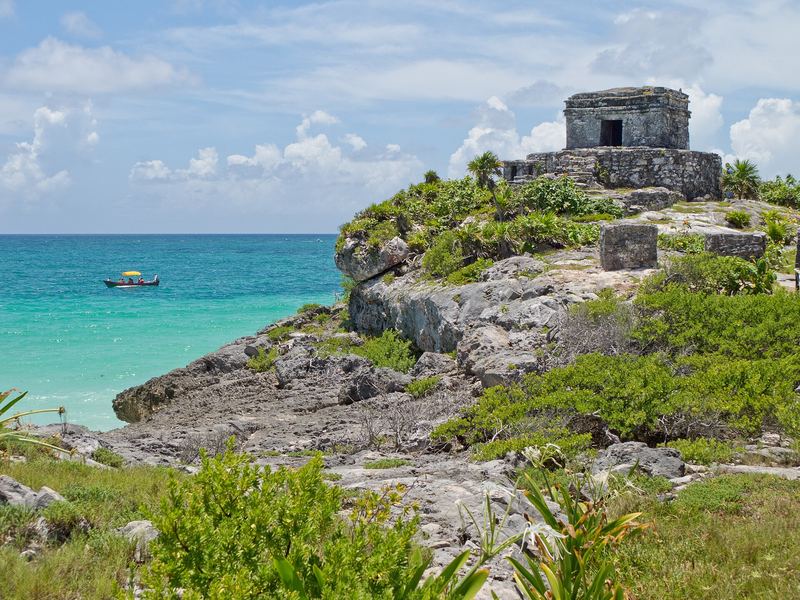
The trip starts with culture and ends with the sea. Mérida gives you pastel colonial streets, music in the plazas and restored henequen haciendas with pools under stone arches. Valladolid puts you close to Chichén Itzá at opening time and to cenotes you can swim in before breakfast. Tulum is the payoff, a boutique hotel on the beach road where the only plan is a bike ride at golden hour.

November through March is the best window, when the inland heat eases and the Caribbean is calmest. Fly into Mérida (MID) and home from Tulum (TQO) or Cancún (CUN), which saves you from doubling back. A rental car makes the whole route easy.

The route

  1. MéridaMexico · 3 nights
  2. ValladolidMexico · 2 nights
  3. TulumMexico · 4 nights
Best months
November to March
Trip length
10 days
Budget
About $150–300 a night for two in Mérida and Valladolid, $400–1,000 or more in Tulum (approximate)

Day by day

Days 1–3: Mérida

Fly into Mérida International Airport (MID), which has nonstops from Houston and Miami. Take a 20 to 30 minute taxi into the historic center. Base yourselves near Parque Santa Lucía or Santa Ana, in a restored colonial house with a courtyard plunge pool. You will use the pool every afternoon.

Spend the first evening walking to dinner, then catch the free music in the plazas. If you land on a Sunday, the jarana dancing in the Plaza Grande is a lovely welcome.

On day two, drive south to swim in the Cuzamá cenotes, where the light comes through holes in the cave roof onto blue water. Come back for a siesta and a late dinner. Build every day around the heat: sightseeing early, pool at midday, dinner late.

On day three, choose between flamingos at Celestún or sunrise at Uxmal, then end with a carriage ride along Paseo de Montejo. If you want the hacienda experience, spend one of these nights at Hacienda Temozón or Chablé Yucatán instead of in the city.

Days 4–5: Valladolid

The drive east to Valladolid takes about two hours on the toll highway. The Tren Maya also links the two cities, though schedules change often. Stay in the historic center, where many hotels are converted homes with courtyard pools and gardens. Mesón del Marqués on the main square is a long-running classic, while Coqui Coqui Valladolid has a few stylish rooms near the convent.

The reason to sleep here is Chichén Itzá. Be at the gate at opening on day five, ahead of the heat and the tour buses from Cancún. Seeing El Castillo with only a handful of other people around is the moment of this stop.

Cool off afterward with a cenote swim. Valladolid has one in town. Ek Balam's ruins are close enough to add if you still have energy. Rinse off sunscreen before swimming, since many cenotes require it.

In the evening, walk the Calzada de los Frailes toward the convent and stay for the light show on its walls. Finish with a Yucatecan dinner in a courtyard.

Days 6–10: Tulum

Drive about two hours southeast to Tulum and check into the beach road, also called the hotel zone. This is your splurge and your slow stretch. Azulik Tulum is the town's famous design statement, a kid-free collection of treehouse-style villas above the sea with outdoor tubs. Be Tulum, on the quieter southern stretch, has plunge-pool suites and a Maya spa.

Give yourselves a full day with nothing booked. Then pick a few highlights. Bike the beach road at golden hour, when the light turns pink through the palms. Snorkel the clear caverns of Gran Cenote or Dos Ojos one morning. Book a temazcal sweat-lodge ceremony for two, or take a boat trip through Sian Ka'an to look for dolphins and birds.

For the romantic moment, reserve dinner in the woven nests at Kin Toh above the jungle canopy, or simply eat on the sand at your own hotel. Book top dinners and spa treatments weeks ahead in winter.

On day ten, fly home from Tulum International Airport (TQO) or Cancún (CUN), about 1.5 to 2 hours north.

Getting Between Stops

A rental car is the easiest way to do this route. Pick it up at Mérida's airport and drop it in Tulum or Cancún. Each leg is roughly two hours on toll roads that are generally good and quiet. Drive in daylight and watch for speed bumps in villages, which appear with little warning.

If neither of you wants to drive, private transfers between the three towns are easy to book. The Tren Maya stops in Mérida, Valladolid and Tulum, though timetables have changed often since it opened, so check current times.

For flights, MID has fewer US routes than Cancún. If a nonstop into Mérida does not work, fly into Cancún and reverse the route: Tulum first, then Valladolid and Mérida. You lose the beach finish, though, which is why we prefer this direction.

Where to Stay

In Mérida, small boutique hotels in restored colonial houses are the classic stay, with tiled floors, plunge pools and rooftop terraces. Paseo de Montejo is more polished but less atmospheric than the streets around Santa Lucía. For a hacienda night, Hacienda Temozón near the Puuc route has a long pool framed by the old estate buildings. Chablé Yucatán built its spa around a private cenote.

In Valladolid, stay in the center so you can walk to the square and the convent. Rates here are low, roughly $80 to $200 a night for good boutique hotels as an approximate guide.

In Tulum, the beach is worth the money. Azulik suits couples who want something wild and barefoot. Be Tulum suits those who want style with serious comfort. Tulum town and Aldea Zamá cost less but put you away from the sea.

When to Go

November through March is the best time. Mérida is hot even in winter, with highs in the mid 80s Fahrenheit, but mornings are fresh and rain is rare. Valladolid is similar. In Tulum, December through April brings dry days, cooler nights and the calmest seas.

April and May are the hardest months inland, with highs that can approach 100°F. From June through October, the wet season brings afternoon downpours and humidity, with the highest hurricane risk in September and October. The Caribbean coast often sees sargassum seaweed from late spring into summer.

The calendar adds a few reasons to pick dates. Hanal Pixán, the Yucatecan Day of the Dead, fills Mérida with altars in early November. Chichén Itzá draws big crowds at the spring and autumn equinoxes, so avoid those dates if you dislike crowds.

Budget and Booking

This route spends lightly first and generously at the end. As an approximate guide, Mérida boutique hotels run about $150 to $300 a night for two, with high-end haciendas costing more. Valladolid is cheaper. Tulum's beach-road boutique hotels are the big line item, often several hundred dollars to well over $1,000 a night in peak season.

Book the Tulum hotel first, since the best rooms sell out for Christmas, New Year and March. Reserve top Tulum dinners and spa treatments weeks ahead. In Mérida, read recent reviews before booking a smaller hacienda, as standards vary from rustic to grand.

Carry cash in pesos. Some cenotes and smaller restaurants do not take cards. ATMs in the Tulum hotel zone can be limited, so withdraw in town.

Staying Comfortable and Safe

Heat is the main challenge. Pick hotels with air conditioning and a pool, drink plenty of water and plan sightseeing for early morning. Light, breathable clothes, hats and real walking shoes matter, since sidewalks in Mérida are narrow and uneven.

The State Department rates Yucatán state at exercise normal precautions, its lowest level. Valladolid itself is relaxed. Tulum has had nightlife-related crime, so at night stay with the dinner crowd, skip late beach parties if they are not your thing and use taxis your hotel calls.

Use reef-safe sunscreen and biodegradable repellent, which many cenotes require. Mosquitoes are common in the rainy season and dengue circulates in the Yucatán. If you're pregnant or hoping to be soon, check CDC travel health notices for Mexico before you book. Beach-road hotels can have brief power or water hiccups, which is part of their barefoot charm.

Make It Shorter or Longer

For a 7-day trip, drop Valladolid and visit Chichén Itzá as a day trip from Mérida, then drive on to Tulum. Three nights in Mérida and three in Tulum is a tidy, two-hotel honeymoon.

With 12 to 14 days, split Mérida between the city and a hacienda for two nights each, which adds one of the most romantic stays in Mexico. Or add Bacalar after Tulum for two or three nights on its long freshwater lagoon, about two to two and a half hours south. Sailing the lagoon in the late afternoon makes a lovely ending.

Couples who want a full-service resort at the end can swap two Tulum nights for the Riviera Maya farther north, closer to Cancún's airport. That balances Tulum's bohemian style with big-resort comfort before the flight home.


FAQ

Planning this trip

Do we need a rental car for a Yucatán honeymoon?

It helps a lot. The drives are about two hours each on good toll roads and a car lets you stop at cenotes and ruins on your own schedule. If neither of you wants to drive, book private transfers between towns and use guides for day trips. The Tren Maya is an option too.

Is Mérida too hot for a honeymoon?

Not from November through February, when mornings are fresh and highs sit in the mid 80s Fahrenheit. April and May are much harder, often near 100°F. Whatever the month, pick a hotel with a pool and air conditioning, sightsee early and keep a siesta in the afternoon.

Why stay in Valladolid instead of visiting Chichén Itzá from Tulum?

Sleeping in Valladolid lets you reach Chichén Itzá at opening, before the heat and the tour buses arrive from the coast. It also gives you cenote swims and a calm colonial evening. From Tulum, the round trip eats most of a day and you arrive with the crowds.

Is sargassum a problem in Tulum?

It can be from late spring into summer, when seaweed often washes up along the Caribbean coast. December through April usually has the clearest beaches. Hotels rake their sand, but conditions vary week to week, so ask your hotel about recent conditions before you book. Cenotes are a good backup.

Which airport should we fly into?

Fly into Mérida (MID) and home from Tulum (TQO) or Cancún (CUN). That avoids backtracking and saves the beach for last. Mérida has nonstops from Houston and Miami. If flights do not line up, fly into Cancún and run the route in reverse, starting in Tulum.

Stops on this route

Honeymoon Huts is reader-supported. When you book through links on this page we may earn a commission, at no extra cost to you. Our picks are editorially independent. How we earn money.