Why Malawi for a Honeymoon
The appeal is the pairing of bush and beach without an expensive flight to the coast. You can watch elephants along the Shire River in Liwonde one week, then swim off a deserted island the next, all within a few hours' drive or a short charter.
Lake Malawi National Park, at the southern end of the lake, was one of the first freshwater parks listed by UNESCO. Its cichlids number in the hundreds of species, more fish species than any other lake on Earth. Snorkeling among them is a highlight. Likoma Island in the north has a giant stone cathedral, quiet beaches and one of the most romantic lodges in southern Africa.
On land, African Parks has transformed Majete and Liwonde with reintroduced lions, rhinos and cheetahs. Add the tea estates of Thyolo, the high Nyika Plateau and the granite bulk of Mount Mulanje and you have a compact, varied country.
Best Time to Visit
The dry season from May to October is the best time for nearly everything. May to August is cool and comfortable, with sunny days, chilly mornings in the highlands and easy lake weather. Expect highs in the 70s °F at the lake and nights in the 50s.
September and October are hotter and drier. Bush thins out and animals gather at the rivers, so these are the top safari months, with lake temperatures in the 80s and calm water for kayaking. October can feel scorching in the lowlands.
The rains arrive in November and last into April, peaking around March. Storms come in heavy bursts, some roads wash out and a few lodges close. In return the landscape turns emerald, birdlife is at its richest and prices drop. Many couples choose late May or early June, when the countryside is still green but the rain has stopped.
Where to Go
Start with the lake. Our Lake Malawi guide covers the main stretches: Cape Maclear and the islands of Lake Malawi National Park in the south, the quieter beaches near Mangochi and Senga Bay plus Likoma Island far to the north. Most honeymooners spend at least half the trip on the shore.
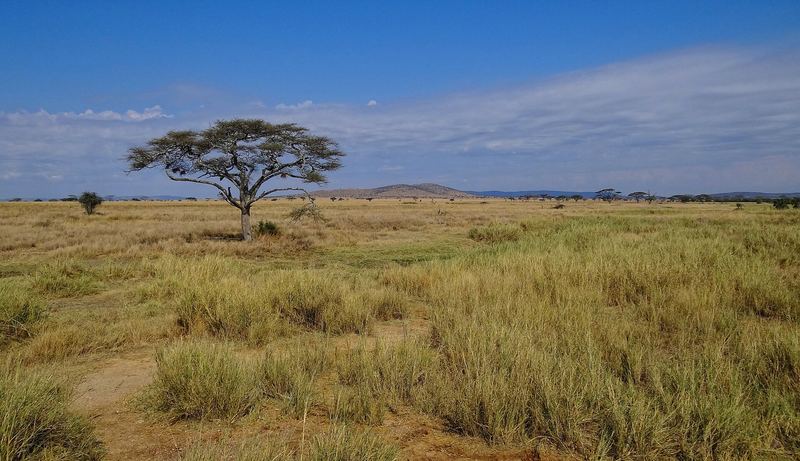
For safari, Liwonde National Park follows the Shire River, where boat safaris pass hippos, crocodiles and elephants at the water's edge. Majete Wildlife Reserve in the south has all of the Big Five. Nyika National Park in the north is a high, rolling grassland with zebra, roan antelope and wild orchids after the rains, cool enough for a fire at night.
In the south, the Zomba Plateau offers forest walks and views. Mount Mulanje rises to about 10,000 feet above green tea estates around Thyolo and Mulanje, where some planters' homes now take guests.
Sample 10-Day Itinerary
This route starts in Blantyre and finishes in Lilongwe, which suits flights through Addis.
- Day 1: Land in Blantyre and drive into the hills to a tea estate for a quiet first night.
- Days 2–3: Majete Wildlife Reserve for game drives and walks with a ranger, looking for lions and rhinos.
- Days 4–5: Liwonde National Park. Take a sunset boat safari on the Shire River and a morning walk.
- Days 6–9: Lake Malawi. Stay at a lodge in Lake Malawi National Park near Cape Maclear for snorkeling, kayaking between islands and long lazy afternoons.
- Day 10: Drive or fly to Lilongwe for your flight home.
With a little more budget, swap two lake days for a light-aircraft flight to Likoma Island. With more time, add the Nyika Plateau in the north for walking and horseback riding in cool upland air.
Budget and Costs
Malawi is cheaper than Botswana, Kenya or Tanzania for a comparable safari, though it is not a bargain at the top end. As an approximate guide, comfortable lakeside lodges run about $150–400 per couple per night. Premier safari and island lodges, usually full board with activities, cost roughly $600–1,200 per couple per night. Simple guesthouses cost far less.
Park fees are charged per person per day, usually in dollars at the gate. They are often already included in lodge rates. A private driver and vehicle for the whole trip is the most common way to get around, often booked through a local operator.
The kwacha has weakened sharply in recent years and prices can move quickly, so many lodges quote in dollars. Cards work at larger lodges but not everywhere. ATMs can run dry. Bring a mix of crisp US bills and a card. Budget for tips to guides and staff.
Getting There and Around
No airline flies nonstop from the US. The easiest routing is Ethiopian Airlines from Washington or another US gateway through Addis Ababa, which serves both Lilongwe (LLW) and Blantyre (BLZ). Other options connect through Johannesburg or Nairobi. Plan on around 20 to 26 hours door to door.
Inside Malawi, most couples hire a car with a driver through a tour operator or their lodges. Roads between the main towns are paved but narrow, shared with cyclists, goats and minibuses. Avoid driving after dark. Fuel shortages happen from time to time, another reason to leave the logistics to professionals.
Light-aircraft charters link Lilongwe with Likoma Island and some safari areas, saving many hours on the road. Ask your lodge to arrange transfers, since the last stretch to many lakeshore properties runs on dirt tracks.
Culture and Etiquette
Malawians are famously polite and greetings matter. Start any conversation, even a quick question, with a hello and a how are you. Learning moni (hello) and zikomo (thank you) in Chichewa brings big smiles.
Dress is conservative outside lodges. Covering shoulders and knees in towns and villages is respectful, especially for women, while swimwear stays on the beach. Ask before photographing people and accept no as an answer.
Public displays of affection are uncommon, so keep it low-key in public. Many lodges support local schools or conservation projects. If you want to give back, ask them how rather than handing out money or sweets to children.
Safety and Health
Level 2 reflects ordinary risks rather than conflict. Crime such as theft, burglary and armed robbery occurs, mostly in cities. Keep valuables out of sight, use lodge transport or a known driver at night and avoid walking alone after dark in Lilongwe or Blantyre. Political demonstrations can block roads, especially around elections.
Health takes more planning. Malaria is present throughout the country, so take prescribed tablets and use repellent. Bilharzia, a parasite carried by freshwater snails, exists in parts of Lake Malawi. Many lodges in clean, open-water areas say risk is low, but doctors advise treatment after your trip if you swim. See a travel clinic about routine travel vaccines well before you go. If you're pregnant or hoping to be soon, check CDC travel health notices for Malawi before you book.
Medical care is limited outside the main cities. Buy travel insurance that covers medical evacuation to South Africa.
Quick tips
- Bring clean US dollar bills for lodges and park fees and keep kwacha for markets, fuel and tips.
- Book internal transfers with your lodges, since fuel shortages and rough roads can upset self-drive plans.
- Use a lodge that tests its swimming area or ask about bilharzia before swimming in the lake.