







Safety First: What Level 3 Means
The October 2026 upgrade is driven mainly by health. The CDC has issued a notice for Bundibugyo virus disease linked to an outbreak elsewhere in the region; Kenya's first cases were imported into Nairobi. If you're pregnant or hoping to be soon, read the CDC travel health notices for Kenya with extra care. The State Department also notes that medical care outside Nairobi is limited and that hospitals often want payment up front. That is why evacuation insurance matters more here than on most trips.
The Level 4 zones are unchanged and specific: the Eastleigh and Kibera neighborhoods of Nairobi; Garissa, Wajir, Mandera, Lamu and Tana River counties (Tsavo is excepted); Kilifi County north of highway C103 and the coast north of Malindi; West Pokot and western Turkana; and the Ethiopian border strip. Lamu Island, once a honeymoon favorite, is off the list for that reason.
The advisory singles out one safari risk worth repeating: vehicles have rolled on rough park roads. People without seatbelts have been badly hurt. Ask your operator about Kenya Wildlife Service insurance and buckle up.
Why Kenya for a Honeymoon
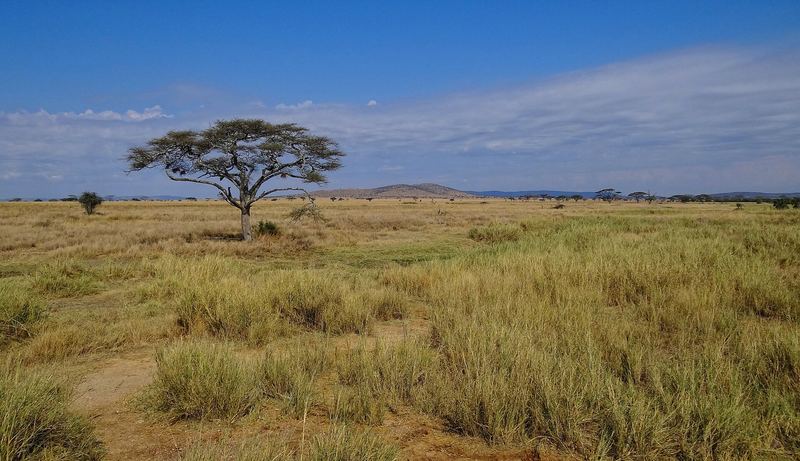
Kenya packs very different landscapes into short flights. The Maasai Mara gives you the open grassland from every wildlife film you have watched. Amboseli adds elephant herds walking in front of Kilimanjaro. Laikipia, on the high plateau north of Nairobi, offers rhino tracking, horseback rides and cool nights by the fire. Samburu brings desert-adapted animals you will not see farther south. Then the coast, with coral reefs and Swahili cooking, gives you a proper beach finish.
The other draw is intimacy. Many conservancy camps have fewer than a dozen tents, so you rarely share a sighting with more than one or two other vehicles. Private dinners in the bush, sundowners on a ridge and outdoor showers are routine rather than special requests. English is spoken everywhere you are likely to go. The honeymoon trade here is decades old, which means camps know how to look after newlyweds without making a production of it.
Best Time to Visit
Kenya sits on the equator, so seasons are about rain rather than temperature. The long rains usually fall from late March through May. The short rains arrive around November into early December. Outside those windows, days on the plateau are warm and dry while nights can be surprisingly cold.
July through October is peak season. The wildebeest migration usually reaches the Maasai Mara by July. The Mara River crossings tend to happen between August and October, though the herds follow the grass and never a calendar. Prices and crowds peak with them. January and February are a strong second choice: dry, green after the short rains, with lower rates and plenty of newborn animals. The coast is at its best from late November to March, when the sea is calm and clear. April and May bring heavy rain, some camp closures and the lowest prices.
Where to Go
We cover five places in depth. The Maasai Mara is the headline: the richest big cat viewing in East Africa plus the migration from July to October, with private conservancies along its northern edge. Amboseli is smaller and drier, famous for big-tusked elephants framed by Kilimanjaro on clear mornings. Laikipia, the plateau between Mount Kenya and the Rift Valley, is where you go for rhinos, Grevy's zebra and activities beyond the vehicle, such as riding, walking and camel treks.
Samburu, in the hot north, follows the Ewaso Ng'iro river through doum palms and red earth, with reticulated giraffe, gerenuk and oryx that the southern parks lack. Diani Beach, south of Mombasa and well outside the coastal Level 4 zone, is the beach finish: a long white strand, a reef to snorkel and dhow trips to the Kisite marine park. Lake Naivasha and Tsavo make worthy add-ons, while Lamu stays off the table under the current advisory.
Sample 10-Day Itinerary
- Day 1: Land in Nairobi and sleep near the airport or in the leafy Karen suburb.
- Days 2–4: Fly from Wilson Airport to a Mara conservancy camp. Three nights gives you seven or eight game drives, a balloon flight and a bush dinner.
- Days 5–6: Fly to Laikipia for rhino tracking, a horseback ride and Mount Kenya at sunrise.
- Day 7: Fly back to Nairobi and connect to Ukunda for Diani Beach.
- Days 8–9: Snorkel at Kisite, take a sunset dhow and eat seafood in a coral cave.
- Day 10: Fly to Nairobi for the evening flight home.
If elephants matter more than rhinos, swap Laikipia for Amboseli. For something wilder, trade the beach for two nights in Samburu and fly home from Nairobi. Given the current advisory, build in one spare night and keep deposits flexible where you can.
Budget and Costs
Kenya is not a cheap honeymoon, but it scales. All figures here are approximate and vary widely by season. Comfortable midrange safari lodges with meals and shared game drives often run around $500–900 per couple per night. Small conservancy camps with private guiding, drinks and activities included commonly sit between $1,500 and $3,000 or more per couple per night in peak months.
Park and conservancy fees come on top of that and have risen in recent years. The Maasai Mara reserve now charges foreign visitors a steep daily fee in high season, so ask whether quotes include it. Bush flights between regions usually cost a few hundred dollars per person per leg. Beach hotels in Diani cost far less than safari camps, which is one reason a split itinerary works. Budget for tips too: camps usually suggest a daily amount for your guide plus a separate staff pool. Add evacuation insurance to the spreadsheet from the start.
Getting There and Around
International flights arrive at Jomo Kenyatta International Airport (NBO) in Nairobi. Kenya Airways flies nonstop from New York JFK, recently about once a week, so the nonstop may not line up with your dates. Otherwise expect one stop in Amsterdam, London, Paris, Doha, Dubai, Istanbul or Addis Ababa, with total travel time from the East Coast around 17 to 22 hours.
Safari flights leave from Wilson Airport (WIL), a smaller field across town. Allow at least three hours between an international arrival and a Wilson departure, or stay overnight. Safarilink and AirKenya fly scheduled hops to the Mara airstrips, Amboseli, Laikipia, Samburu and the coast. Driving is possible but slow: Nairobi to the Mara takes five to six hours on mixed roads. The State Department also flags road accidents as a leading cause of injury to Americans. For the coast, fly to Mombasa (MBA) or straight to Ukunda for Diani. The Madaraka Express train links Nairobi and Mombasa in roughly five to six hours.
Culture and Etiquette
Kenyans are warm and chatty. A greeting goes a long way. Learn jambo (hello), asante (thank you) and karibu (welcome), which you will hear constantly. Ask before photographing people, including Maasai you meet on village visits. Expect that some will ask for a fee. Visits arranged by conservancies usually put money into the community; ad hoc roadside stops often do not.
On the coast, much of the population is Muslim. Cover shoulders and knees away from the beach and keep swimwear for the resort. Affection is fine in lodges but best kept low-key in towns. Kenya banned plastic shopping bags in 2017, so leave duty-free bags behind. Tipping is expected on safari and modest elsewhere. M-Pesa mobile money runs daily life, though camps and hotels take cards.
Quick tips
- Buy medical evacuation insurance; the State Department strongly recommends it for Kenya.
- Pack soft duffels: bush planes from Wilson Airport often cap bags near 15 kg per person.
- Bring crisp, recent US bills or shillings for tips, since older notes get refused.