Why Mongolia for a Honeymoon
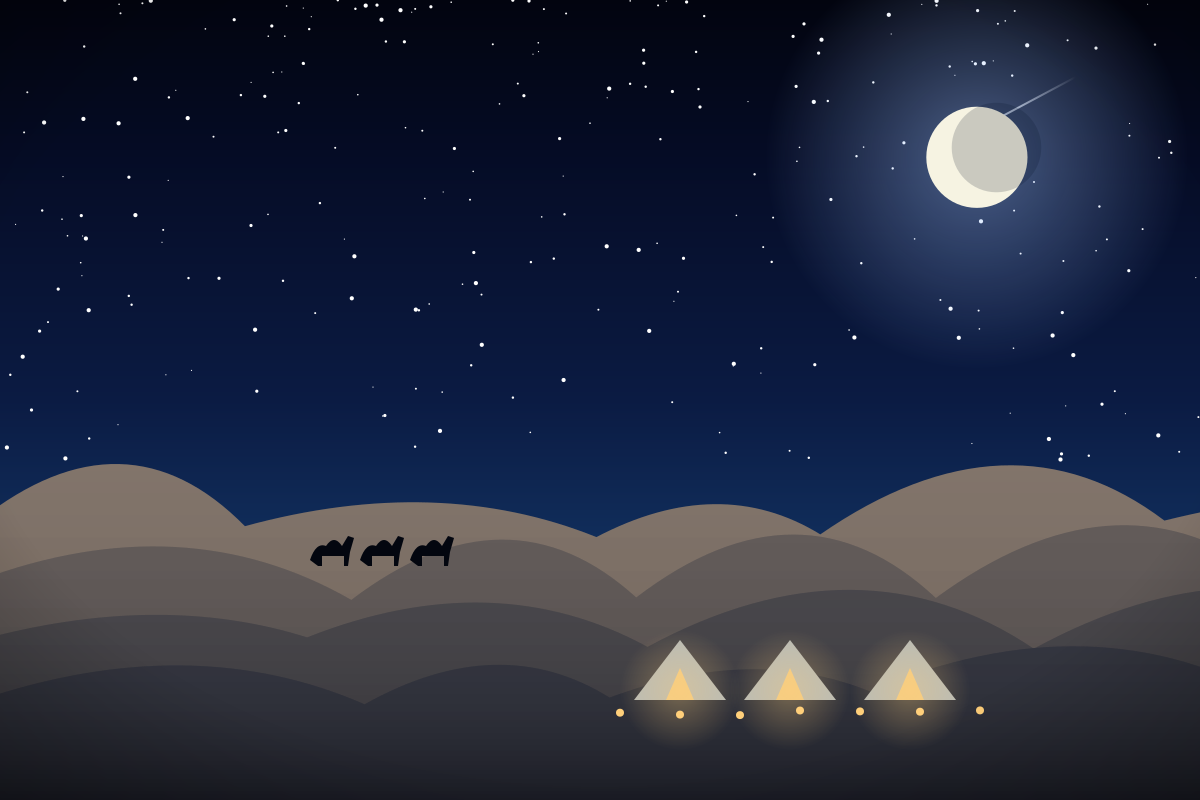
The main draw is space. On the steppe you can see weather coming from an hour away. At night the sky is so dark that the Milky Way throws a faint light on the grass. Few honeymoon destinations give you that much quiet.
The second draw is hospitality. Herding families still move their gers with the seasons. On a guided trip you are likely to be invited in for milk tea, dried curd and a look at the family's horses. These encounters feel genuine because tourism has not taken over daily life.
Third, it is a trip you do together in the fullest sense. You ride, hike, get lost in conversation during long drives and wash in a bucket when the camp shower runs cold. That shared effort is part of the appeal. Couples who have already done Europe and Southeast Asia often say Mongolia was the trip that felt most like an adventure.
Best Time to Visit
The travel season is short: late May through September. June and early September are the sweet spots, with long days, green grass in the north and fewer travelers than in high summer.
July and August are peak months. Afternoons can be hot in the Gobi and short, heavy rain showers are common across the north. Mid-July brings Naadam, the national festival of wrestling, horse racing and archery. The main events in Ulaanbaatar run July 11 to 13. Smaller country Naadams take place across the provinces through the month. Many couples find a rural Naadam more intimate than the stadium version.
By October, nights are freezing, many ger camps close and the main draw is the Golden Eagle Festival in the far west, held in early October around Ölgii. Winter is severe, with temperatures well below zero and heavy smog in Ulaanbaatar from about October to April. Unless you want a hardcore winter trip, avoid November through March.
Where to Go
Most first trips combine the capital with one or two of these regions.
The Gobi Desert in the south is the classic choice for honeymooners. Our Gobi Desert guide covers the singing dunes of Khongoryn Els, the red Flaming Cliffs where dinosaur eggs were found in the 1920s and the narrow ice gorge of Yolyn Am. Flights from Ulaanbaatar to Dalanzadgad save two days of driving.
Khövsgöl Lake in the far north is a long, cold, very clear lake ringed by larch forest and reindeer-herding country. It is cooler and greener than the Gobi and suits couples who like kayaking and horseback rides by the water.
Central Mongolia has Kharkhorin, near the site of the old imperial capital Karakorum. Nearby stands Erdene Zuu, one of the country's oldest Buddhist monasteries. Hot springs in Arkhangai make a good stop on the way.
Gorkhi-Terelj National Park, about 70 km from Ulaanbaatar, has granite outcrops and comfortable camps for a gentle first or last night.
Sample 10-Day Itinerary
- Day 1: Arrive in Ulaanbaatar. Rest, then walk Sükhbaatar Square and have dinner in the city center.
- Day 2: Gandan Monastery in the morning, the Chinggis Khaan National Museum in the afternoon and a traditional music and throat singing show at night.
- Day 3: Fly to Dalanzadgad and drive to Yolyn Am for a walk into the gorge.
- Days 4 and 5: Khongoryn Els. Ride camels along the edge of the dunes and climb a ridge for sunset.
- Day 6: Bayanzag, the Flaming Cliffs, at golden hour.
- Day 7: Fly back to Ulaanbaatar.
- Days 8 and 9: Drive to Gorkhi-Terelj or Hustai National Park, where reintroduced takhi, the wild Przewalski's horse, graze at dusk. Ride, hike and enjoy a slow evening in a ger.
- Day 10: Return to the capital for cashmere shopping and fly home.
With two more days, add Kharkhorin and the Orkhon Valley between the Gobi and Terelj.
Budget and Costs
Mongolia is cheap on the ground but rarely cheap overall, because almost every couple travels with a driver and guide. All figures here are rough estimates.
A private tour with vehicle, driver, guide and basic tourist ger camps often runs from about $150 to $300 per person per day, including meals. Upgrading to the best luxury ger lodges, with private bathrooms and set dinners, can push that well past $500 per person per night. Domestic flights to the Gobi add a few hundred dollars each round trip.
In Ulaanbaatar, good international-style hotels typically cost $100 to $250 a night and a nice dinner for two might be $40 to $80.
Budget for tips. Guides and drivers on multi-day trips expect them. A few dollars a day per person for each is common. Cashmere is the best splurge. Prices in Ulaanbaatar factory stores are well below what you pay at home.
Getting There and Around
Chinggis Khaan International Airport (UBN) sits about 50 km south of Ulaanbaatar, so allow an hour or more for the transfer, longer in traffic. From the US, the easiest connection is usually through Seoul. Korean Air and the national carrier MIAT both fly that route. Other options run through Tokyo, Beijing or Istanbul. Schedules change seasonally, so confirm before you book.
Inside the country, distances are the challenge. Domestic airlines link the capital with provincial centers such as Dalanzadgad in the south and Mörön near Khövsgöl Lake. Flights are short but can be delayed by weather.
Overland, most visitors travel in a 4x4 or a UAZ van with a driver. Paved roads connect the main towns, but many of the best places are reached on dirt tracks, so a 300 km day can take eight hours. Self-drive is not realistic for most couples. The Trans-Mongolian railway is a fun way to arrive from Beijing if you have time.
Culture and Etiquette
Ger etiquette matters and hosts notice. Enter without stepping on the threshold, move clockwise inside and do not lean on the central pillars. Accept food and drink with your right hand or with both hands. Taste a little of what you are offered even if it is fermented mare's milk.
Do not point with one finger, whistle indoors or throw anything into the fire. Small gifts for a host family, such as fruit, sweets or postcards from home, are appreciated.
Mongolia is a mix of Tibetan Buddhism, shamanist traditions and Soviet-era secularism. At monasteries, walk clockwise around temples and prayer wheels and ask before photographing monks.
Public affection is reserved, especially in the countryside, so save kisses for the ger.
Chinggis Khaan is a national hero here, not a villain. Topics involving China can be sensitive, so let locals lead that conversation. The food is heavy on mutton and dairy. Vegetarians should tell their operator in advance.
Health and Safety
The US State Department rates Mongolia Level 1, its lowest level. The main risks are practical. Pickpocketing happens in crowded parts of Ulaanbaatar, especially markets and around the train station. Drunk men can be confrontational late at night.
In the countryside, the bigger concerns are distance and road safety. Medical care outside the capital is basic and evacuation can take a day, so buy travel insurance that covers medical evacuation. Wear seat belts when they exist.
Do not drink tap water. Dogs guarding herders' camps can be aggressive, so wait for the family to hold them before walking up. Ask your doctor about a rabies vaccine if you plan a lot of rural time. Sun at altitude and in the Gobi is strong, so pack high SPF and lip balm.
Quick tips
- Book domestic flights and ger camps for July well ahead; Naadam week fills everything in the country.
- Pack layers even in summer: Gobi nights can drop into the 40s after a 90-degree afternoon.
- Accept a bowl of milk tea with your right hand and take at least a sip before setting it down.