Why Honeymoon in Swedish Lapland
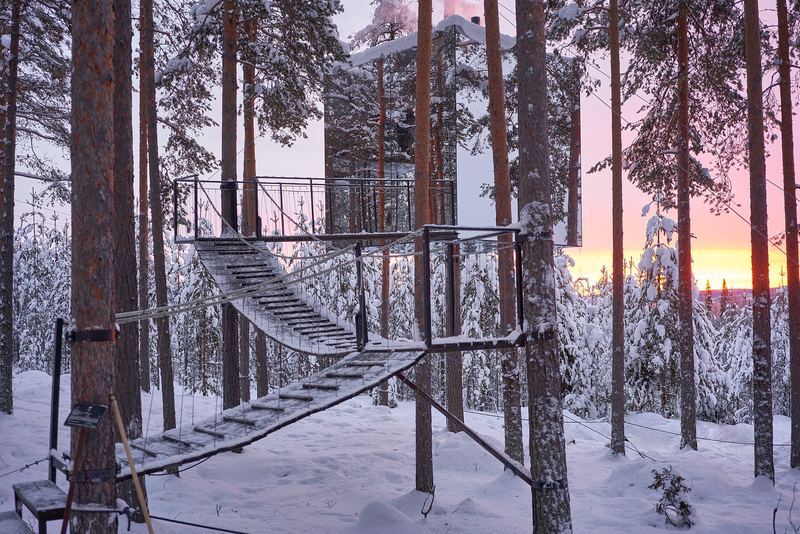
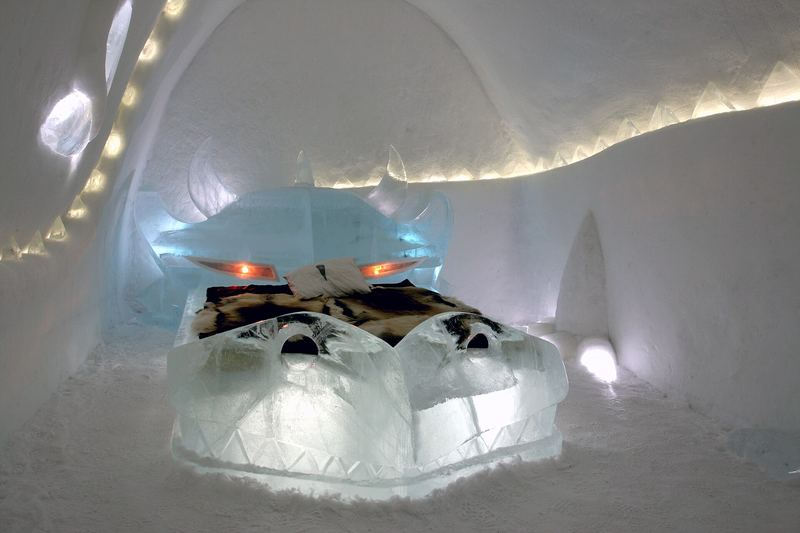
Swedish Lapland puts thoughtful design in the middle of wild nature. You can spend the night in a mirrored cube among the pines, then sleep on a bed of ice in a room sculpted by an artist. Both are novelties in the best sense, shared adventures that neither of you has had before.
The landscapes are huge and hushed. Snow-muffled forests, frozen rivers and dark skies make for real silence. The region's sparse population means you will often have trails and viewpoints to yourselves.
There is also a gentle, restorative side. Swedes are devoted to the sauna, outdoor hot tubs and a slow approach to life. Lapland's lodges embrace it. After a day behind a dog team, warming up together in a wood-fired sauna before a candlelit dinner of Arctic char and lingonberries is very hard to beat.
When to Go
The region is a true four-season destination, though most honeymooners choose winter or high summer.
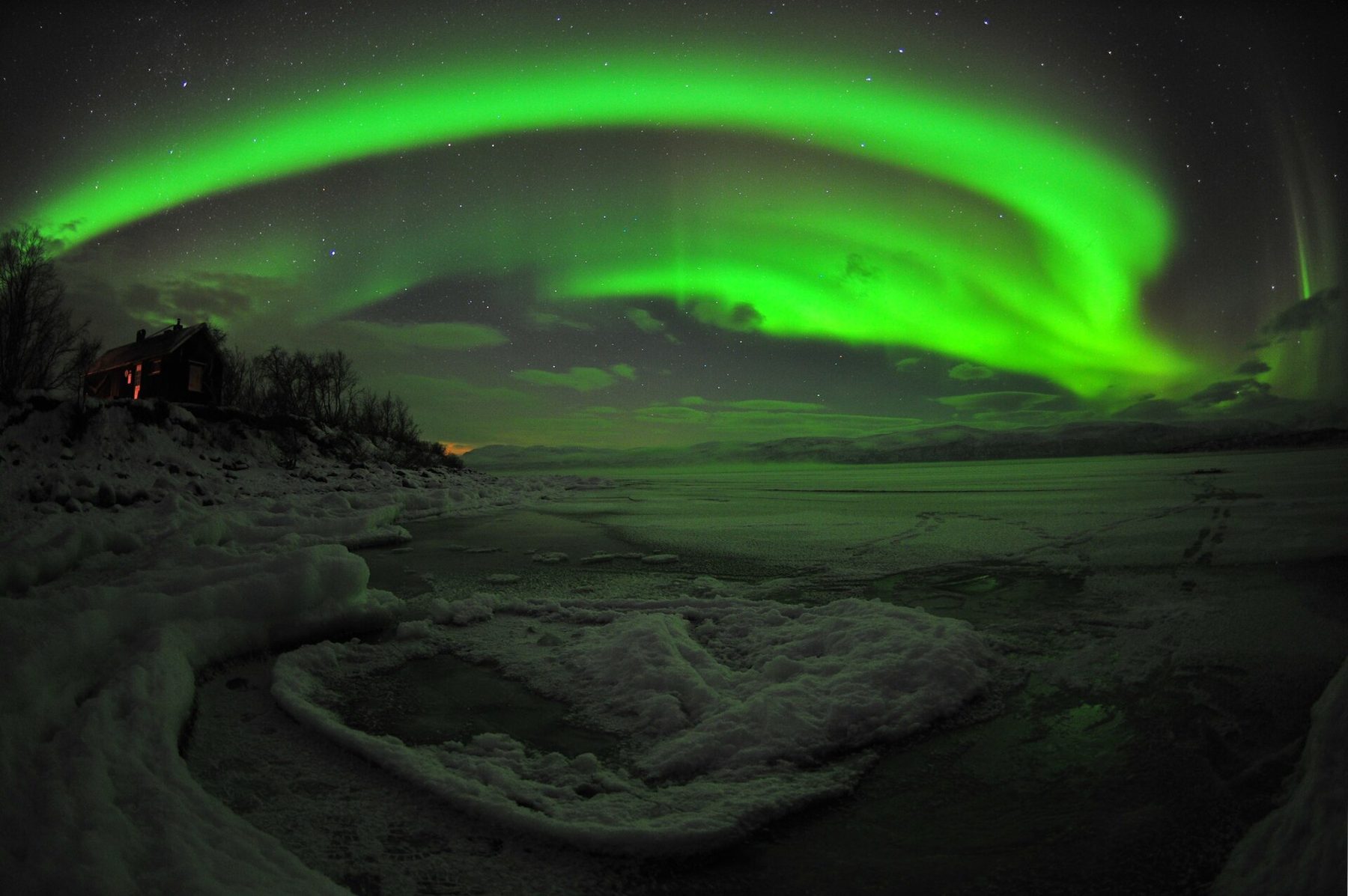
- December to March: classic winter. The seasonal Icehotel typically opens in December, snow blankets the forest and the aurora season is in full swing. December and January are very dark; February and March bring more daylight, deep snow and strong aurora odds.
- Late August to October: autumn colors, crisp air and early aurora displays reflected in lakes before the snow arrives.
- Late May to mid-July: the midnight sun. Above the Arctic Circle the sun never sets, which suits canoeing, hiking and river rafting.
April and May bring melting snow and are quieter. Icehotel 365 means you can see ice art and sleep in an ice suite all year, while Treehotel shines in every season.
Where to Stay
The two famous stays are very different, which is exactly why they pair so well on one trip.
Treehotel, in the small village of Harads about an hour from Luleå, is a collection of tree rooms designed by leading Scandinavian architects. Choose between the vanishing Mirrorcube, the branch-wrapped Bird's Nest, the bird-box-clad Biosphere by BIG or Snøhetta's 7th Room with its netted terrace above the forest. Private spa sessions and a cozy guesthouse round out the stay.
Icehotel, in Jukkasjärvi near Kiruna, rebuilds its ice hotel every winter with art suites designed by artists from around the world. Its year-round Icehotel 365 offers deluxe ice suites with private saunas. Most couples book one night on ice and the rest in warm rooms.
Beyond these icons, the region offers wilderness lodges with glass-roofed cabins, riverside retreats and simple guesthouses near Abisko, Kiruna and Luleå.
Romantic Things to Do
Dog sledding is the classic Lapland adventure. Teams of huskies pull you across frozen rivers and through silent forest. Evening runs can double as aurora hunts. Snowmobile safaris cover more ground and often end at a fire-warmed wilderness camp for dinner.
At the Icehotel, join an ice-sculpting workshop to carve something of your own. Have a drink from an ice glass at the Icebar, then explore the art suites. About an hour from Treehotel, visit Storforsen, one of Europe's largest unregulated rapids, especially dramatic in early summer.
Abisko National Park, west of Kiruna, is famed for clear skies and aurora viewing. Its mountain station hosts aurora experiences. In summer, canoe under the midnight sun, hike sections of the Kungsleden trail or try river rafting on the Torne. Year-round, a wood-fired sauna followed by a cold plunge is the best way to end any day.
Getting There & Around
There are no nonstop flights from the US to Swedish Lapland, so most travelers connect through Stockholm. From there:
- Fly to Luleå (LLA), the gateway for Treehotel, about an hour's drive away.
- Fly to Kiruna (KRN), for Icehotel and Abisko; the Icehotel is a short drive from the airport.
Domestic flights take about ninety minutes. Night trains also run from Stockholm to Luleå and Kiruna, a scenic and romantic alternative with sleeper cabins.
To combine Treehotel and Icehotel, you can drive between them in roughly four hours, take a train between Boden and Kiruna, or fly. Renting a car offers the most flexibility; roads are well maintained, but winter driving requires care, studded tires and attention to wildlife on the road. Many lodges arrange transfers and pickups for activities, so you can also skip the car entirely.
Food & Drink
Northern Swedish cuisine is built on what the land and rivers provide. Reindeer is a staple, served as a tender fillet, slow-cooked stew or smoked as a delicacy. Arctic char from cold mountain lakes, whitefish and salmon appear on every menu, often with dill, butter and new potatoes. Look for löjrom, the delicate orange roe of the vendace fish from the Kalix area, often called Swedish caviar.
Forest flavors run through everything: lingonberries with meat, cloudberries with ice cream or waffles, chanterelles in creamy sauces and juniper in sauces and spirits. Sámi traditions add dishes such as suovas, a salted and smoked reindeer meat.
Don't miss fika, the Swedish coffee break with cinnamon or cardamom buns. Many wilderness tours brew coffee over an open fire. In the evening, Swedish craft beer, aquavit and sparkling wine pair well with cozy fireside dinners.
Honeymoon Tips
- Combine Treehotel and Icehotel on one trip; two or three nights at each gives you a mix of architecture, adventure and relaxation.
- At the Icehotel, plan one night on ice and the rest in warm accommodation.
- Book signature rooms such as the Mirrorcube or a deluxe ice suite months ahead for winter dates.
- Keep aurora tours flexible; operators can move you to another night if it is cloudy.
- Pack serious layers: merino base layers, wool socks, a hat and mittens. Many outfitters lend thermal suits for activities.
- Swedish Lapland is largely cashless, so bring cards.
- In June and July, pack strong insect repellent and a head net for hikes. Mosquitoes in the northern forests are fierce in early summer.