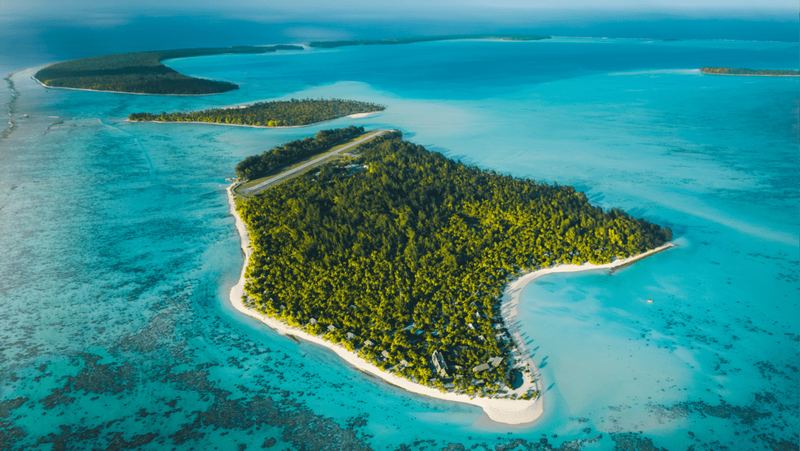
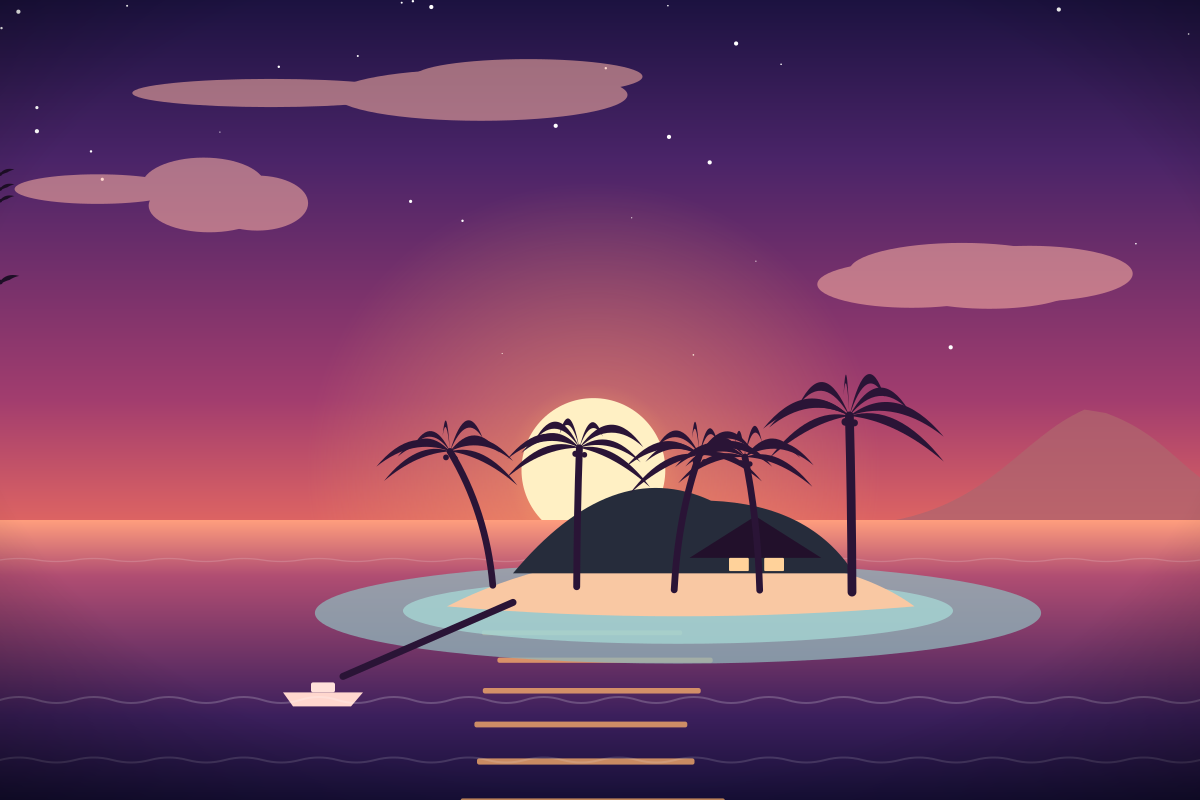
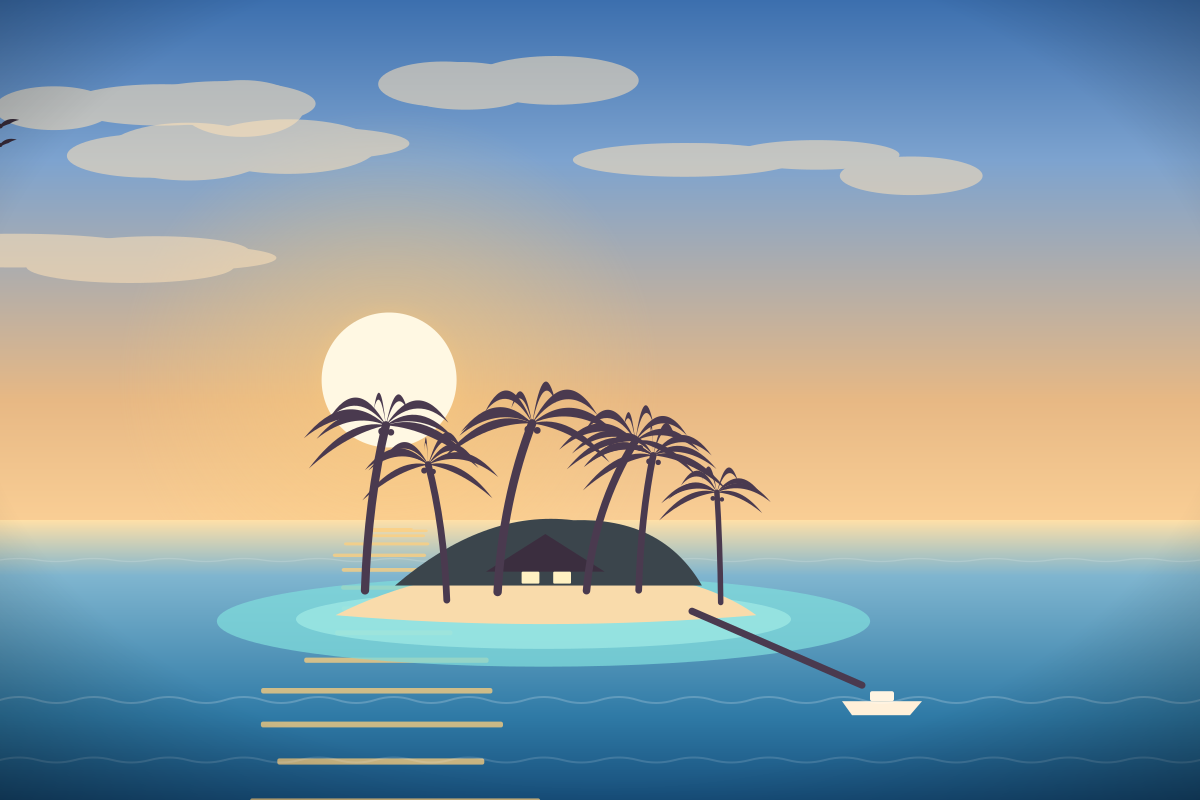
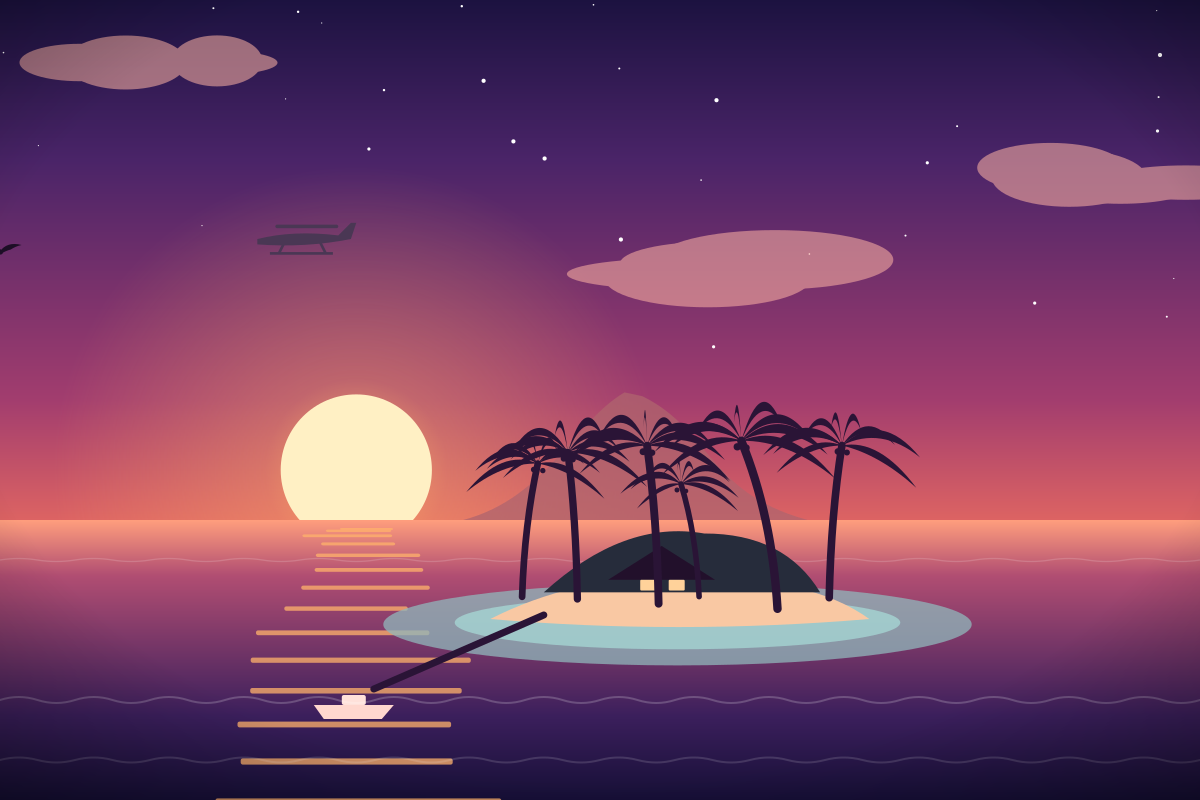
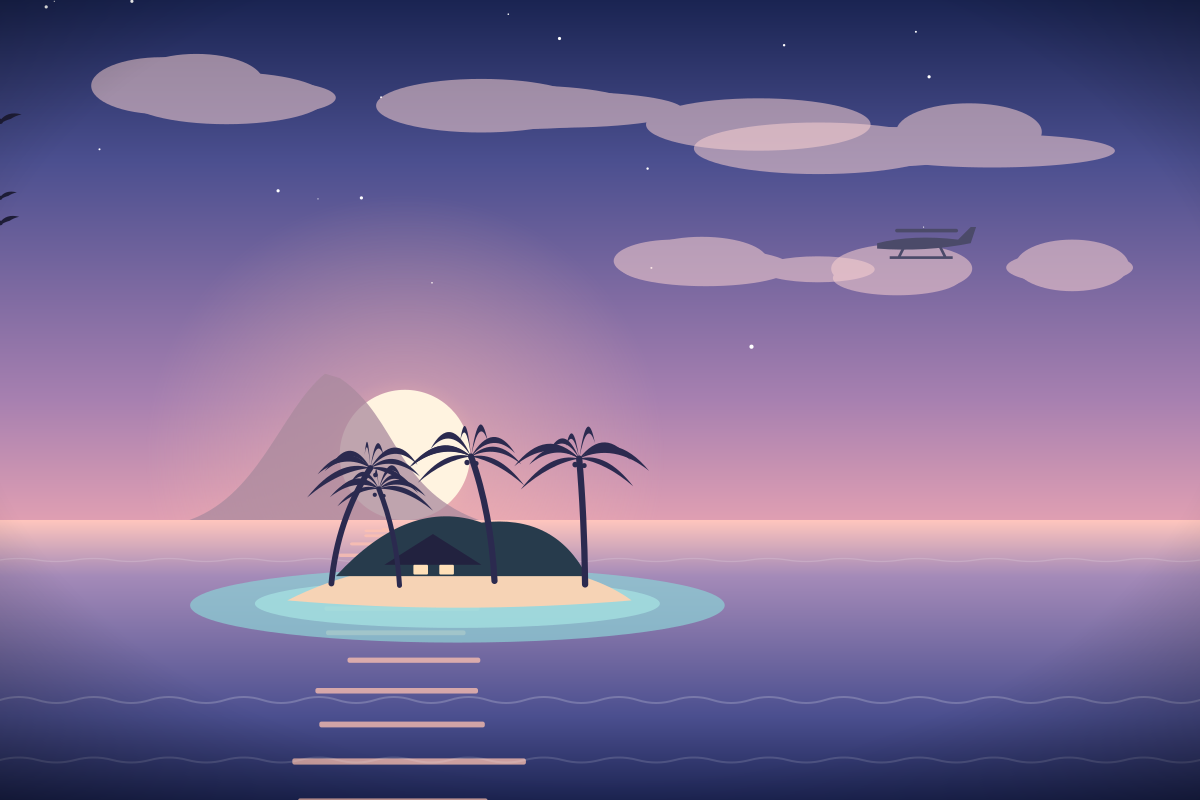
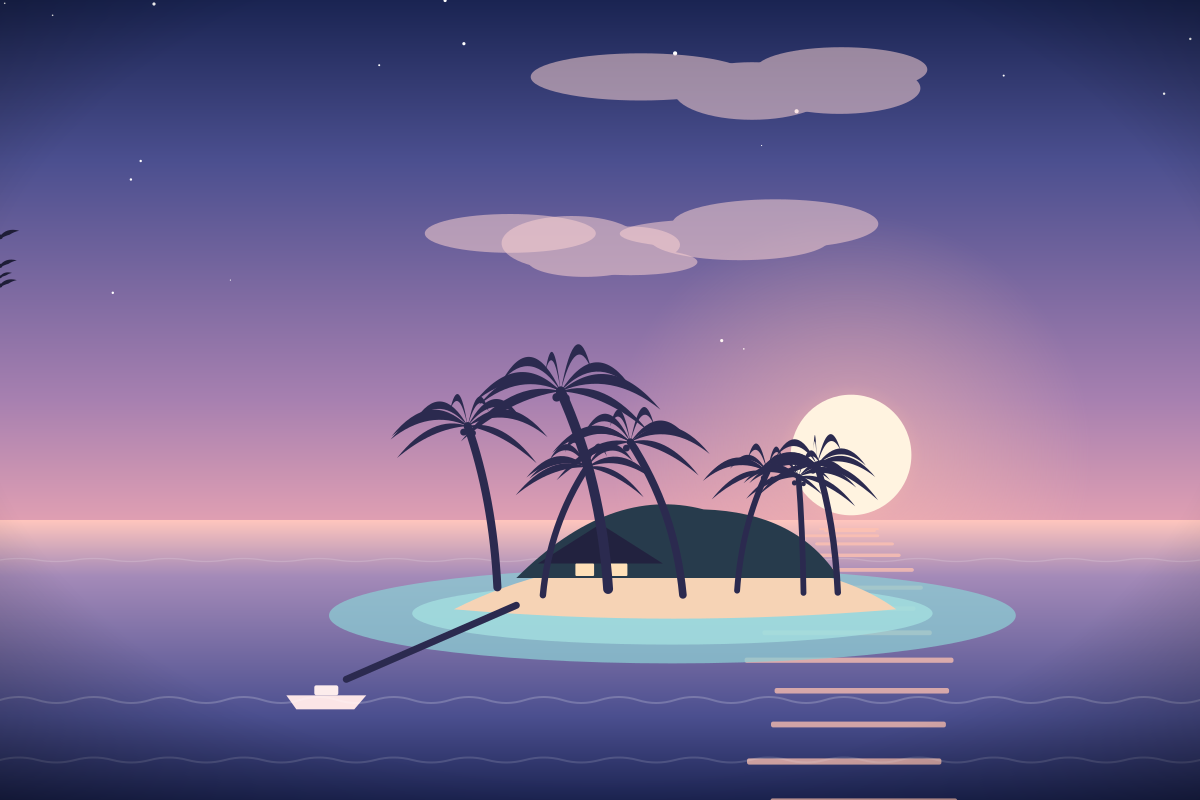
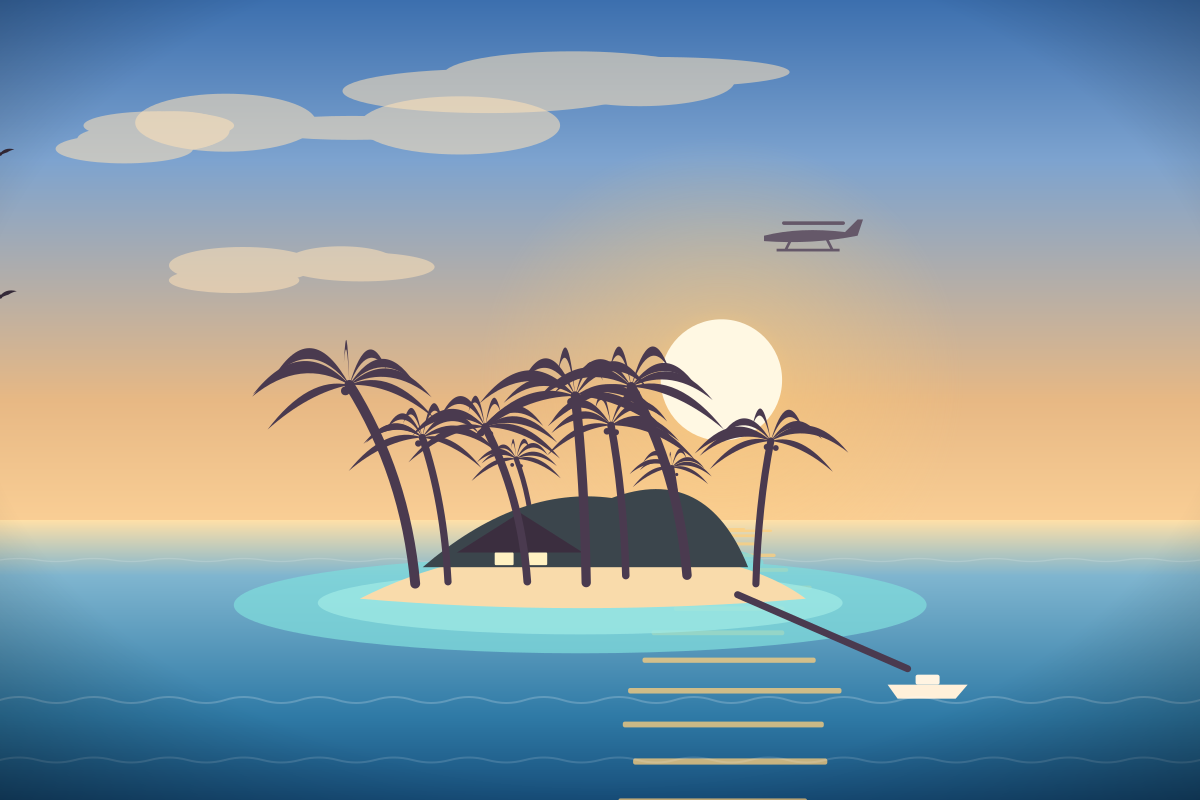
Mounu Island Resort is about as close as you can get to having a South Pacific island to yourselves. It occupies a small coral islet in the southern part of Tonga's Vava'u group, with only a handful of traditional thatched fales set along the edge of the beach. There is no village, no road and no other hotel. At night the only sounds are the sea, the birds and, in whale season, humpbacks singing in the channels nearby.
It suits couples who value simplicity, nature and privacy over polish. The resort runs on off-grid power. Each fale faces the water, one of them a dedicated honeymoon suite. Meals are served at the resort's Moby Dick Restaurant, which is raised above the beach. Snorkeling right off the sand is excellent. Kayaks are on hand for paddling around the island.
The main reason most couples come is the humpback whale season, roughly July to October, when Vava'u becomes one of the few places in the world where you can swim with them. Book well ahead for those months.
Highlights at a glance
- A small private coral island in southern Vava'u
- Only a handful of beach fales, including a honeymoon suite
- Humpback whale swims in season, roughly July to October
- Excellent snorkeling right off the beach
- Off-grid power and low-impact design
Why Couples Love Mounu Island
The scale is the point. With only a few fales on the whole island, you can walk the beach without meeting anyone, swim off the sand in the morning and watch the sun drop behind the outer islands in the evening. Guests often describe the feeling of complete seclusion, broken only by mealtimes and the occasional chat with staff.
The resort's eco credentials add to the appeal. It runs off the grid with low-flow water fixtures and biogas systems, so you feel close to the place rather than insulated from it. The reef around the island is healthy, with coral and plenty of reef fish just a few strokes from the beach. Birdwatching and stargazing are both rewarding, since there is no light pollution for miles. It feels a long way from anywhere, because it is.
The Fales and the Honeymoon Suite
Accommodation is in traditional Tongan fales, the local word for a house, with rounded thatched roofs and private beachfront views. They are spaced along the beach edge for privacy. One is set aside as a honeymoon suite, which is the obvious choice if it is free on your dates.
Expect simple comfort rather than luxury. Power comes from off-grid systems and Wi-Fi is limited, with a fee. The fales are designed for the climate rather than for air-conditioned isolation. That is part of the charm for most couples, but it is worth knowing before you book. Ask the resort directly about bed configuration, bathroom set-up and whether your fale has a sea-facing deck, since details vary. With so few fales, availability in whale season goes early.
Food and Drink
There are no independent restaurants anywhere near the island, so you will eat every meal at the resort. The Moby Dick Restaurant is raised above the white coral sand beach, which gives breakfast and dinner a view of the water. Expect fresh fish, tropical fruit and home-style cooking rather than fine dining.
Guests regularly praise the meals. The kitchen can usually adapt to dietary needs with notice. Some packages include all meals, so check exactly what your rate covers before you arrive. Bring any special treats you want, such as a bottle of good wine or snacks, since there are no shops on the island. A sunset drink at the bar or on your fale deck is the evening ritual here.
Why guests fall for it
Whales, Reefs and Things to Do
The humpback season, roughly July to October, is the headline. Mothers and calves rest in the sheltered waters of Vava'u. Licensed operators take small groups into the water with them under strict rules on how close you can get. It is one of the most moving wildlife encounters anywhere. A travel package sold for the resort lists a minimum age of 8 for whale swims and requires confident swimming.
Outside whale season, the island is still a fine base. Snorkel off the beach, paddle a kayak around the coast, go island hopping or try diving in the surrounding reefs. Kitesurfers can bring their own gear. If you get seasick, take medication before whale trips, since boats can spend hours in open water. Mosquitoes can appear after rain; if you're pregnant or hoping to be soon, check CDC travel health notices.
Getting There
Reaching Mounu is part of the adventure. Most couples fly into Fua'amotu International Airport (TBU) on Tongatapu, often via Auckland, Fiji or Sydney, then take a domestic flight north to Vava'u Lupepau'u International Airport (VAV). From the airport, allow about 40 minutes to reach the island by road and boat.
Domestic flights in Tonga can change at short notice, so leave a buffer day on each end of your trip if you have international connections. Pack light, since small planes and boat transfers do not suit big suitcases. Confirm your transfer details with the resort before you fly. Weather can delay boat crossings, especially in the cooler, windier months.
Is It Worth It?
For couples who want real seclusion and wildlife, yes. Few places in the world let you stay on an island this small with only a handful of other guests and swim with humpback whales in the same trip. The simplicity is the experience.
It is not the right choice for couples who want a spa, a private pool, round-the-clock room service or polished luxury. The journey is long, the facilities are basic by resort standards and there is little to do beyond the sea and the sky. Children's policies differ between sources, so ask the resort directly if a kid-free atmosphere matters to you. Couples who want more comfort in Vava'u may prefer a larger island resort or a stay in Neiafu with day trips.
Insider tips
- Book the honeymoon suite as early as possible, especially for whale season.
- Plan a buffer day for domestic flights between Tongatapu and Vava'u.
- Bring reef-safe sunscreen, a few treats and any medication you need, since there are no shops.
- Confirm what meals and tours your package includes before you travel.