Coves Versus a Continuous Coast
The geography shapes everything. Antigua's southwest shoreline curls into one bay after another, each with its own crescent of golden sand: Darkwood, Ffryes, Valley Church and the private cove at Hermitage Bay. Hills crowd the shore and the rainforest climbs behind them toward Antigua's highest point, so each resort feels tucked away from its neighbors. On clear evenings you can sometimes see Montserrat on the horizon.
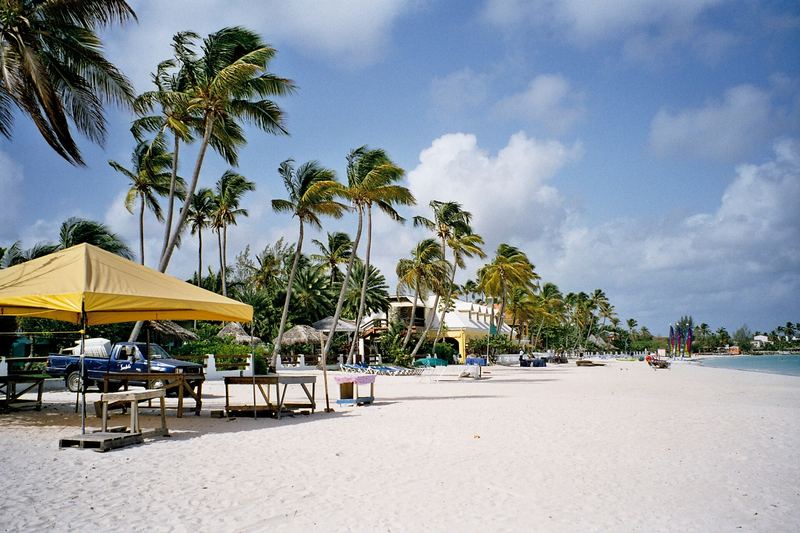
The Barbados west coast is a long, gently curving line of pale sand broken by sea grape trees and low coral stone hotels. The water is usually lake-calm and very clear. Beaches like Paynes Bay and Mullins connect more easily. A coast road links everything from Bridgetown to Speightstown. That makes the west coast feel more social and more developed, though it rarely feels crowded. If you picture a cove with nothing but your resort in it, Antigua fits the image. If you picture a sunset walk along the sand to dinner, Barbados does.
The Resorts That Define Each Coast
Antigua's southwest coast is a two-resort story for honeymooners. Hermitage Bay, near Jennings, has about 30 kid-free villa suites spread between the beach and a garden hillside, many with private pools. Its all-inclusive plan, with Champagne, sushi at cocktail hour and menus that change daily, is famously generous. Curtain Bluff, on a headland at Old Road since 1962, has 72 rooms and suites between a calm beach and a breezier one. Its all-inclusive rate covers waterskiing, sailing and snorkel trips. It welcomes families but the Pool Suites on the bluff are classic couple territory.
The Barbados west coast has more depth. Sandy Lane is the grand name, with a golf club and large spa above about 1,000 feet of white sand. Coral Reef Club, family-run in Holetown, reserves its five Luxury Plantation Suites with plunge pools for couples without children under 12. Cobblers Cove, near Speightstown, has 40 suites around a pink Great House. The House on Paynes Bay is a kid-free option. Villas range from small cottages to staffed estates.
All-Inclusive or Eat Out
This may be the deciding question. On Antigua's southwest coast the best resorts are all-inclusive and the setting encourages you to stay put. Curtain Bluff serves five-course dinners at its Tamarind Restaurant. Hermitage Bay's kitchen changes its menu daily and draws on its own garden. For a night out, English Harbour and Falmouth Harbour have a lively restaurant scene built around the sailing crowd. Beach shacks grill fresh lobster. Try fungee and pepperpot, Antigua's national dish, plus a black pineapple if you see one at a roadside stand.
The Barbados west coast is the island's fine-dining hub and most hotels are booked room-only or on partial meal plans. The Cliff, with candlelit terraces above the sea near Derricks, is the famous splurge. Lone Star and The Fish Pot at Little Good Harbour serve seafood right at the water. For something casual, a rum shop fish cutter with a cold Banks beer costs very little. Couples who love food usually find Barbados more rewarding. Couples who want zero decisions usually prefer Antigua.
Days Out Together
Antigua's southwest is a base for boat days and a dose of history. Snorkel Cades Reef, a long barrier reef just offshore, or charter a catamaran to anchor in an empty cove for lunch. Wander Nelson's Dockyard, a UNESCO World Heritage Site where superyachts moor beside Georgian stone warehouses. On Sunday afternoons, Shirley Heights Lookout fills with steel pan music, barbecue and one of the most celebrated sunset views in the Caribbean. A day trip to Barbuda by ferry or small plane brings miles of pink-tinged sand and a frigate bird colony. A rainforest canopy tour above Fig Tree Drive adds a jolt of adrenaline for whoever wants it.
The Barbados west coast is about the water and the island beyond. Catamaran cruises stop to swim with hawksbill and green turtles and snorkel over shipwrecks. The Folkestone Marine Reserve near Holetown protects a reef you can reach from the beach. Drive north to St. Nicholas Abbey, a 1650s plantation house that distills rum, then on to the Animal Flower Cave. At sunset, watch for the green flash.
Getting There and Settling In
Antigua's V.C. Bird International Airport (ANU) has nonstops from several US cities, with about four hours of flying from New York. The southwest coast is roughly 30 to 45 minutes away by road. Both Hermitage Bay and Curtain Bluff arrange transfers. Driving is on the left and renting a car requires a temporary local permit, which rental companies can arrange, so many couples simply use resort drivers.
Grantley Adams International (BGI) in Barbados has nonstops from Miami, Charlotte, Philadelphia, Atlanta, New York JFK, Boston, Newark and Washington Dulles, though some run only in winter. The drive to Holetown takes 30 to 45 minutes. Once there, buses and private minibuses run along the coast road and taxis are plentiful but unmetered, so agree the fare first. Barbados also drives on the left.
In practice, Barbados is slightly easier to reach from more cities. Antigua is slightly easier once you land, because your resort handles nearly everything.
Seasons and Closures
Antigua's driest, sunniest stretch runs from about mid-December through April. May and June are often good value with plenty of sun. Antigua Sailing Week, usually around late April or early May, fills English Harbour with yachts and parties. Hurricane season runs June through November and peaks from August to October, when some resorts, including Curtain Bluff, close for part of late summer or early fall. Check dates before you set your heart on one.
Barbados has a slightly longer dry season, roughly December through May, with highs in the mid 80s Fahrenheit. Christmas and New Year are the priciest weeks on the west coast, with minimum stays common. June through November brings humidity, short heavy showers and much lower rates while the sea usually stays calm. Barbados sits south and east of the usual hurricane track and is hit less often than many islands, but travel insurance is still sensible. For a May wedding, Barbados has the edge. For late fall, Barbados is also the safer bet on open hotels.
What It Costs
Antigua's southwest coast is a splurge but a predictable one. Curtain Bluff typically starts from around $1,400 a night for two on an all-inclusive basis and Hermitage Bay from around $1,800, with peak season much higher. Those prices include meals, drinks and many activities, so your bill at checkout should hold few surprises. Villa rentals and family-oriented all-inclusives around Jolly Harbour cost less.
The Barbados west coast spans a wider range. Coral Reef Club starts from roughly $700 a night and Cobblers Cove from around $900, room-only and in low season, while Sandy Lane starts from about $1,500. Add dinners: a nice meal for two often runs $150 to $300 with drinks and many restaurants add a 10 percent service charge plus VAT. A rum shop lunch can cost under $20.
All figures are approximate and move with season and room type. Big spenders end up in similar territory on either coast. Barbados gives you more ways to spend less.