Two Coasts, Two Calendars
Krabi sits on the Andaman Sea with Phuket. Its best season runs roughly November to April, with December to February the most popular and expensive stretch. From about May to October the southwest monsoon brings heavy bursts of rain and rougher seas, which can cancel boat trips. That matters more here than almost anywhere, since reaching Railay itself depends on boats.
Samui sits on the Gulf, where the pattern shifts. January to April is usually driest. May to September is generally favorable, with fewer heavy rains than the Andaman coast. The wet season is October to December, with November usually the wettest month.
The practical upshot: for a summer honeymoon, Samui is the clear choice. For November and December, Krabi is entering its best season while Samui is at its wettest. From January to April both are good. The choice comes down to style.
Soft Bays or Sheer Cliffs
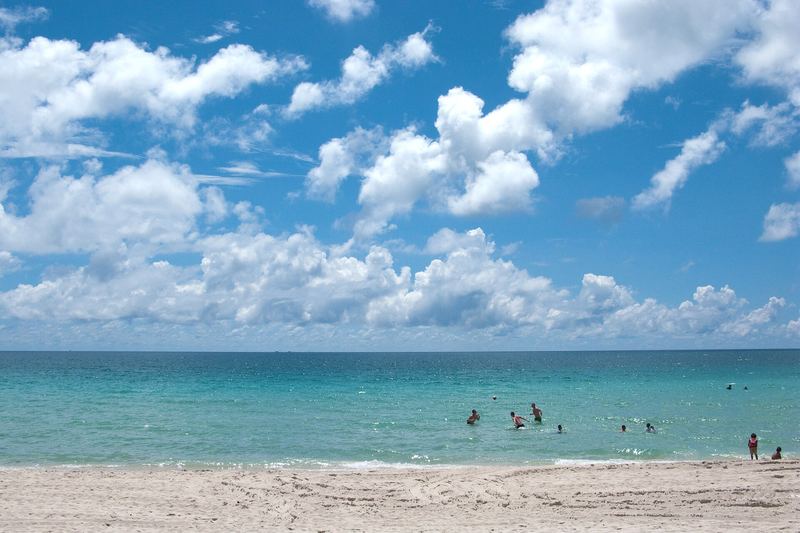
Samui's beauty is gentle. Many beaches have calm water for swimming and paddleboarding. The interior is mountainous and still rural, while hillside villas look across the Gulf at sunrise or sunset. It is developed enough for excellent spas and restaurants but small enough that a quiet bay is never far away.
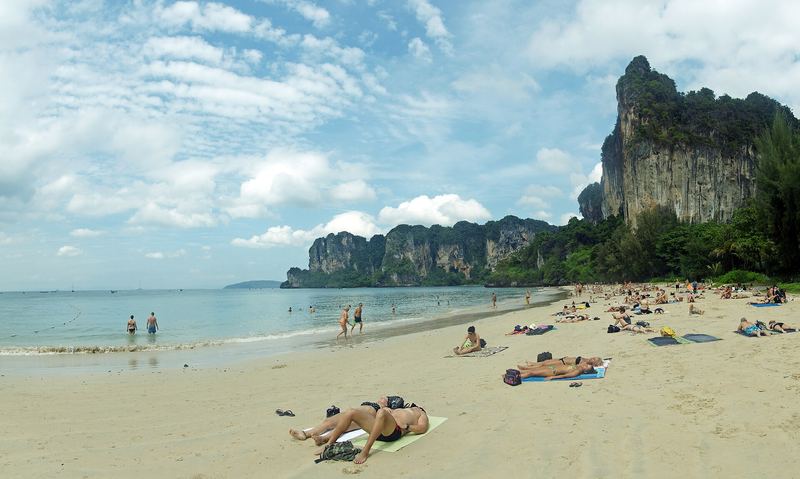
Krabi looks like a set designer got carried away. Limestone walls dripping with jungle frame Railay's beaches. Sea caves hide shrines and lagoons while climbers hang on rock faces above the sand. In the evening the cliffs turn gold, then pink. Railay has no cars, so once the day-trippers leave the paths go quiet and the place feels like a village.
If you want to look up from your sun lounger and feel dwarfed by the landscape, Krabi wins. If you want to float in a calm bay without thinking about tides, Samui does that better.
Where You Will Sleep
In Krabi our top pick is Rayavadee, a resort of about 100 two-story pavilions and villas among coconut groves at the tip of Railay. It is the only place where your room sits between three beaches: Railay West, quieter Nam Mao and famous Phranang. Its restaurant in a limestone cave on Phranang Beach is among the most romantic dinners in Thailand. Pool Pavilions add private pools in walled gardens. Mainland options include busy Ao Nang and larger resorts on quieter beaches around Klong Muang and Tubkaek.
On Samui our pick is Six Senses Samui, on a 20-acre headland at the northern tip about 20 minutes from the airport, with private infinity pools in most villas and a well-regarded spa. The quieter north and northeast coasts around Bophut and Choeng Mon hold other hillside pool-villa resorts.
Samui offers more polished villa choice overall. Krabi's magic is concentrated on Railay, so stay there for at least part of the trip.
Effort on Arrival
Both usually start with a flight from Bangkok after the long haul from the US, which typically means 20 or more hours of total travel through an Asian or Middle Eastern hub.
Samui is the smoother finish. Samui International Airport (USM) is a small open-air terminal about an hour from Bangkok by air. Most resorts are 10 to 30 minutes away. The catch is price: seats are limited and fares often run higher than to other Thai airports, so book early.
Krabi International Airport (KBV) is about an hour and twenty minutes from Bangkok. Fares are usually easier. Then comes the adventure. To reach Railay you drive to the coast and continue by boat, a 15-minute long-tail from Ao Nang or a private car-and-speedboat transfer from resorts like Rayavadee. Landings can mean wading through shallow water, so pack soft luggage and water shoes. Some couples love it; others would rather not after 24 hours in transit.
Adventure Versus Ease
Krabi is the active choice. Railay is one of the world's best-known rock-climbing areas. Guided half-day sessions welcome complete beginners. Kayaking through mangroves and along cliff bases is essential. A private boat to the Hong Islands takes you to a lagoon hidden inside a ring of rock. Phi Phi is within reach. Arrive at Phra Nang Beach early, before the boats from Ao Nang. You may have it nearly to yourselves.
Samui has adventure too, just less of it. Ang Thong National Marine Park, with its steep islands and emerald lagoon viewpoint, is a superb private-boat day. Koh Tao and Koh Nang Yuan offer the Gulf's best snorkeling. On land there is the Big Buddha, Wat Plai Laem and a jungle waterfall hike.
Couples where one partner wants action and the other wants a sun lounger will find Krabi works well: one morning of climbing, one boat day, the rest on the sand.
Dinners and Evenings
Samui has the stronger dining scene. Resorts run excellent restaurants with ocean views. Bophut, Choeng Mon and Chaweng have plenty of independent kitchens. Fisherman's Village in Bophut is the romantic center, with old wooden shophouses, tables on the sand and a walking street market on Friday evenings. Dinner at Dining on the Rocks at Six Senses Samui is a fine special-occasion night.
Krabi is simpler and often cheaper. Food, boats and massages generally cost less than in Phuket. The menu is fresh seafood, fiery southern curries and noodle soups at evening markets in Ao Nang and Krabi town. On Railay the dining is mostly casual beach restaurants, with Rayavadee raising the bar through its cave dinners and beach cooking. Most good resorts will set up a private dinner on the sand if you ask.
On Railay, carry a headlamp for the short jungle paths between beaches after dark and keep snacks away from the bold monkeys.
Pairing Them or Choosing One
Combining these two takes more effort than pairing Krabi with Phuket or Samui with Bangkok. There is no quick hop across the peninsula by road. You either fly via Bangkok or travel overland to Surat Thani and take a ferry, which uses most of a day. If you have ten nights or more between January and April, it is worth it: four nights on Railay for cliffs and boat days, then five on Samui to rest in a pool villa.
With a week or less, choose one. Krabi pairs easily with Phuket, a two- to three-hour drive or a ferry ride away, or with Koh Lanta's quieter beaches. Samui pairs with a few nights in Bangkok or northern Thailand for temples and markets.
In both places, book private boats rather than group tours, dress modestly at temples and respect red flags on the beaches in the wet months.