City Comforts or Open Country
Reykjavík's charm is its scale. There is no need for a car downtown, the streets are safe at any hour and most of what you want is a short walk away. The city's public pools are its living rooms, where locals gather in the hot pots after work. Chefs build menus around lamb that grazes on wild herbs, Arctic char, langoustine and skyr. In June you leave dinner at 11 p.m. into what looks like late afternoon; in December the streets glow with candles.
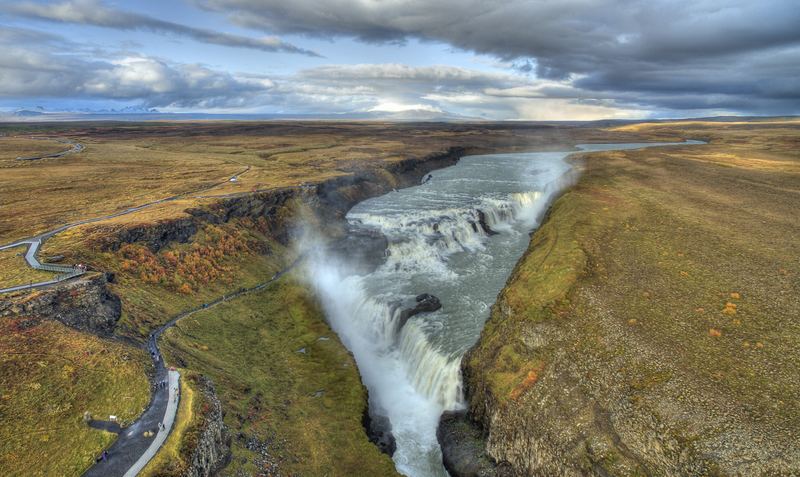
The Golden Circle and South Coast are Iceland's greatest hits. Within a single loop you stand where two continents pull apart, watch a geyser erupt every few minutes and feel the spray from a waterfall plunging into a canyon. Further east you can walk behind Seljalandsfoss and climb beside Skógafoss. A city base feels like a cozy, sociable honeymoon. A countryside base feels like an adventure you share.
Flights and Driving
Everything starts at Keflavík International (KEF), which has nonstops from a long list of US cities, including Boston, New York, Washington Dulles, Seattle, Denver and Minneapolis. East Coast flights take about five to six hours, often overnight, landing early in the morning. Reykjavík is about 45 minutes from the airport by bus or car; taxis are expensive.
The Golden Circle sights are about one to two hours from Keflavík, while the ION Adventure Hotel near Þingvellir is roughly an hour and a half away. The full loop is roughly 190 miles round trip from Reykjavík. Vík is around two and a half to three hours along Route 1. A rental car is by far the best way to explore the countryside. In winter, rent a four-wheel-drive and check road.is and the Icelandic Met Office before every drive. If neither of you wants to drive, base yourselves in Reykjavík and book guided day tours.
Seasons and Light
Summer, June to August, brings near round-the-clock daylight, temperatures in the 50s and the easiest roads. It is also the busiest and priciest season. In the city, the midnight sun makes late walks a joy; bring an eye mask. In the countryside, long evenings let you reach the big sights after the tour buses leave.
September and early October are a sweet spot for both: fewer crowds, autumn color and nights dark enough for aurora. Winter, November to March, is northern lights season, with snow and frozen waterfalls, but daylight shrinks to four or five hours in December and roads can close in storms. That changes the calculation. A countryside hotel gives you dark skies at the door, while Reykjavík offers steaming pools and cozy restaurants when weather pins you down. For a winter trip, build in flexible days wherever you base yourselves.
Where to Base Yourselves
In Reykjavík, stay downtown so you can walk everywhere. The Reykjavík EDITION sits on the Old Harbor beside the Harpa concert hall, with polished rooms and views across the water to Mount Esja. Hotel Borg, a 1930s landmark on Austurvöllur square, has Art Deco style. Boutique hotels and design guesthouses fill the residential streets west of the center. The Grandi district, with its former fish warehouses, is quieter.
In the countryside, the ION Adventure Hotel is the standout. It is a former workers' lodge for a geothermal plant, reimagined as a sleek design hotel in the lava fields at Nesjavellir above Lake Þingvallavatn. The Northern Lights Bar has panoramic windows for aurora watching, top suites have private saunas and an outdoor geothermal pool looks over the hills. Further along the South Coast, a growing number of countryside lodges near Hella and Vík make good second bases.
Budget Reality
Iceland is expensive everywhere, but the costs fall differently. In Reykjavík, The Reykjavík EDITION starts from roughly $550 a night room only, with summer rates higher. Meals and drinks cost more than in most US cities. Alcohol is heavily taxed, so choose a few memorable dinners and keep the rest simple. You save by walking and by skipping a rental car, though guided day tours add up quickly for two.
In the countryside, a rental car is the big extra. A four-wheel-drive in winter costs more. Silfra snorkeling and glacier hikes are pricey but are the experiences most couples remember. Dining options are fewer, so mix one good dinner a day with picnics and farm cafés. Tipping is not expected anywhere. Cards work almost everywhere, even for small purchases. All figures are approximate. Over four or five nights, a self-drive countryside trip often costs about the same as a city stay with daily tours.
What You Will Do Together
From Reykjavík, book a late-afternoon slot at Sky Lagoon, where an infinity edge faces open water and a seven-step ritual includes a cold plunge, sauna and scrub. Ride the elevator up Hallgrímskirkja for a view of colored roofs, then walk to the Sun Voyager sculpture and Harpa. Go whale or puffin watching from the Old Harbour. On a clear winter night, take a taxi to Grótta lighthouse, where light pollution drops. Pool-hop like a local.
In the countryside, walk Þingvellir's Almannagjá gorge, then snorkel the Silfra fissure in water so clear you can see more than 300 feet on a good day. Wait for Strokkur to erupt, then continue to Gullfoss. On the South Coast, walk behind Seljalandsfoss, climb beside Skógafoss and join a guided glacier hike on Sólheimajökull. End at the black sands near Vík, staying well back from the sneaker waves at Reynisfjara.
Food Between the Waterfalls
Reykjavík is Iceland's dining capital. A tasting menu built on Icelandic lamb, fish and langoustine is the splurge many couples remember; book weeks ahead for the top restaurants. For everyday eating, the harbor hot dog stand Bæjarins Beztu Pylsur serves lamb-based hot dogs with everything. Kjötsúpa, a hearty lamb soup, warms a cold lunch. Bakeries turn out cinnamon buns and sourdough pastries worth a morning walk.
The countryside has charming food stops rather than many restaurants. Lunch at Friðheimar, a geothermally heated greenhouse near Reykholt, means tomato soup and fresh bread among the vines. Efstidalur, a family dairy farm, serves ice cream with a view of the cows that made it. At the ION, the Silfra restaurant serves modern Nordic cooking with Arctic char from Lake Þingvallavatn and local lamb. The Northern Lights Bar is the nightcap spot. Along the South Coast, Vík has cozy cafés and lamb-soup stops.
Splitting Your Nights
For most honeymoons, the answer is a split. A five- or six-night plan: land at Keflavík early, spend two nights in Reykjavík to recover with a pool soak and a good dinner, then pick up a rental car and drive to the ION Adventure Hotel for two nights for Þingvellir, Silfra, Geysir and Gullfoss. Continue to a South Coast lodge near Vík for one or two nights before returning toward the airport.
If you prefer to finish relaxed, reverse it and end in the city. On a short stopover of two or three nights, stay in Reykjavík and take one Golden Circle day tour. A few rules help either way: shower without a swimsuit before entering any pool or lagoon, pack layers and a waterproof shell rather than one heavy coat, never stop on the road for photos and only walk on glaciers with a certified guide.