Why Honeymoon on Snæfellsnes
The peninsula gives you variety without long drives. In a single day you can see a glacier, a crater, sea stacks, a seal colony and two waterfalls. That leaves time for long lunches and early nights.
It is also less crowded than the Golden Circle and the south coast, which get most of Iceland's tour buses. Outside of midday at Kirkjufell, you will often have viewpoints largely to yourselves.
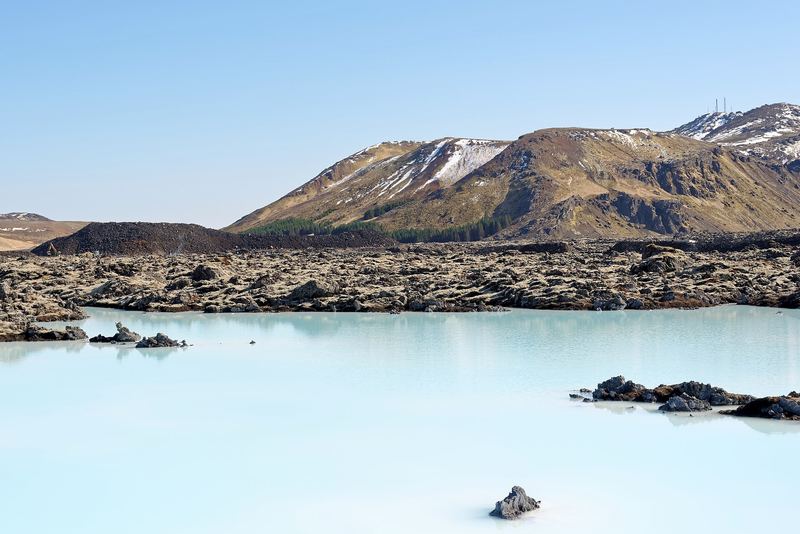
The landscape is moody and photogenic. Snæfellsjökull National Park covers the western tip, where lava runs straight into the sea. The north coast faces Breiðafjörður, a wide bay scattered with islands and rich in seals and seabirds. Small towns such as Stykkishólmur and Grundarfjörður give you somewhere cozy to eat and sleep between outings. Few parts of Iceland pack this much into so little road.
When to Go
Late May through early September is the easiest window. Days are long, the coastal trails are clear and seabirds nest on the cliffs. Late June gives you near-constant daylight for golden-hour photos at midnight.
September and October bring autumn colors on the lava fields and the first dark nights for aurora hunting. Weather becomes more changeable, so keep plans flexible.
Winter is quieter and can be beautiful, with snow on the glacier and the northern lights over Kirkjufell on clear nights. However, daylight is short and storms can close roads for hours. If you visit between November and March, rent a 4x4 with winter tires, check road conditions each morning and build in a spare day.
Spring is a shoulder season. Roads improve. The first migrating birds return in April.
Where to Stay
The peninsula has a handful of small hotels, farm stays and guesthouses rather than big resorts. Book early for summer, because capacity is limited.
Hotel Búðir is the classic choice for couples. It stands on its own on the south coast beside the black church, with views across lava to the sea and the glacier. Its restaurant is a destination in itself.
On the north side, Stykkishólmur is a pretty harbor town with colorful wooden houses and a ferry to the Westfjords. Grundarfjörður sits beneath Kirkjufell, ideal for sunrise photography. Arnarstapi and Hellnar, at the foot of the glacier, have a few guesthouses and cabins close to the best coastal walk.
For privacy, look at cottages with their own hot tubs. On a clear night, watching for the aurora from your own tub is hard to beat.
Romantic Things to Do
Walk the coastal trail between Arnarstapi and Hellnar, under an hour each way at an easy pace, past basalt arches and cliffs alive with seabirds in summer. Reward yourselves with soup or cake at a cafe at either end.
At Djúpalónssandur, a black pebble beach on the western tip, try lifting the old fishermen's stones, a traditional test of strength. Nearby, the sea stacks at Lóndrangar rise from the shore like the ruins of a castle.
Kirkjufell is Iceland's most photographed mountain. Visit early or late to avoid crowds, then walk to the small falls in front of it.
Other good stops include the seal colony at Ytri Tunga, the guided tour inside the Vatnshellir lava tube and a short climb up the Saxhóll crater. End the day at Búðir church, a black chapel against the sky.
Getting There and Around
Fly into Keflavík (KEF), which has nonstop flights from many US cities, mostly on Icelandair. From the airport, the drive to the peninsula takes about two and a half to three hours, passing through or around Reykjavík and under the Hvalfjörður tunnel.
A rental car is the best way to explore. The main road loops around the peninsula and is paved for most of its length. A standard car is fine in summer. In winter, choose a 4x4 with winter tires.
If you prefer not to drive, day tours run from Reykjavík, but they are long and give little time at each stop. Staying overnight on the peninsula is far better.
The Baldur car ferry from Stykkishólmur crosses Breiðafjörður to the Westfjords, a handy link if you are continuing north. Check the timetable and book in advance.
Food and Drink
Seafood is the local specialty. Cod, haddock, scallops from Breiðafjörður and langoustine show up on menus across the peninsula. Fish soup served with dark rye bread and butter makes an ideal warm lunch after a cliff walk.
Stykkishólmur has the widest choice of restaurants, including a few with harbor views. Grundarfjörður and Ólafsvík have casual spots serving fish and chips, burgers and pizza. Hotel restaurants often offer the best dinners, so book a table even if you are staying elsewhere.
Try Icelandic lamb, which grazes freely all summer. Finish with skyr for dessert. Local craft beer is available in most places.
Opening hours shrink outside summer. Some places close entirely in winter. Carry snacks and water in the car. Grocery stores in the bigger towns let you stock up for picnics with a view.
Honeymoon Tips
Fill up when you can. Gas stations exist in the larger villages but are spread out, especially on the western tip.
Weather changes fast here. Pack waterproof layers, sturdy shoes for wet rock and a warm hat even in July.
Respect the coast. Sneaker waves can strike black sand beaches without warning, so keep well back from the waterline at Djúpalónssandur and similar spots.
Do not walk on moss. It takes decades to recover. Stepping off trails damages it.
If you want to see the aurora, pick lodgings away from town lights and check the forecast after dinner.
Combine Snæfellsnes with Reykjavík and the Golden Circle for a compact first trip to Iceland. If you have more time, use the ferry to continue into the remote Westfjords.