Why Honeymoon in Reykjavík
Few cities let you go from a hot tub to a tasting menu without leaving the neighborhood. Iceland runs on geothermal energy. Reykjavík's public pools are its living rooms. Locals of every age gather in the hot pots after work to gossip. Joining them is free of pretense and costs very little.
The food scene has grown up fast. Chefs build menus around lamb that grazes on wild herbs, Arctic char, langoustine and skyr. A few restaurants have earned international attention without losing the city's casual tone.
The scale suits couples. There is no need for a car downtown, the streets are safe at any hour and most of what you want sits within a short walk. Day trips to the Golden Circle or the Reykjanes Peninsula leave from your hotel door, so the city can be your base for a whole week.
When to Go
June through August brings long days, mild temperatures in the 50s Fahrenheit and the most open roads for day trips. It is also the busiest and most expensive season. The midnight sun is wonderful for late walks, though you will want an eye mask.
September and early October are a sweet spot. Summer crowds are gone, autumn color appears on the hills and nights get dark enough for aurora sightings.
From November through March, daylight shrinks to a few hours around midwinter. That sounds bleak, but the city is cozy, the pools steam in the cold air and the northern lights are visible on clear nights. Expect wind, sleet and changeable conditions rather than deep cold.
April and May are quieter shoulder months with lengthening days and lower prices.
Where to Stay
Stay downtown so you can walk everywhere. The area around Laugavegur (the main shopping street) and Skólavörðustígur (the rainbow-painted street leading up to Hallgrímskirkja) puts restaurants, bars and pools on your doorstep.
The Reykjavík EDITION sits beside the Harpa concert hall on the harbor, with polished rooms and views over the water toward Mount Esja. Hotel Borg, a 1930s landmark on Austurvöllur square, has Art Deco style and a central location. Smaller boutique hotels and design-forward guesthouses fill the old residential streets west of the center.
If you prefer quiet, look at the Old Harbour and the Grandi district, where former fish warehouses now hold cafes and galleries. Apartments with a kitchen are worth considering, since groceries are far cheaper than eating every meal out. Wherever you book, confirm blackout curtains in summer.
Romantic Things to Do
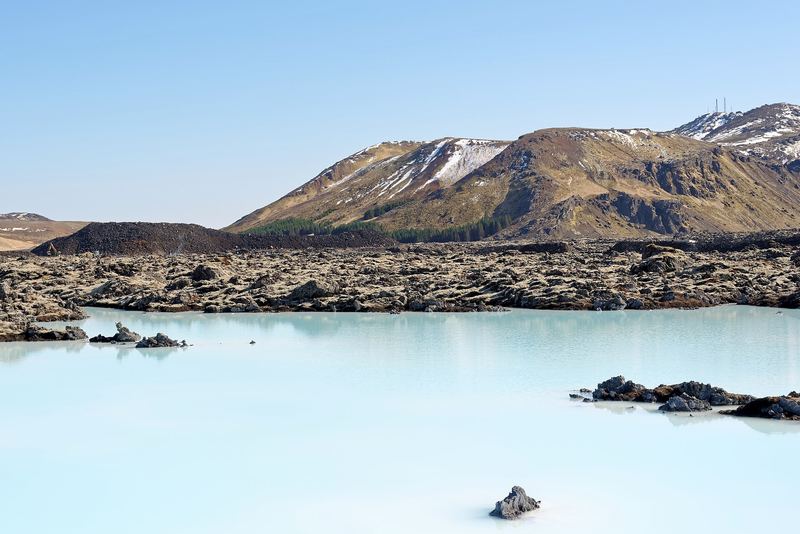
Book a late-afternoon slot at Sky Lagoon, a geothermal pool on the shore just south of downtown, with an infinity edge facing the open water. Its seven-step bathing ritual includes a cold plunge, sauna and body scrub, all in sequence.
Ride the elevator up the tower of Hallgrímskirkja for a view of colored roofs and the bay. Then wander down to the waterfront to see the Sun Voyager sculpture and the glass facade of Harpa catching the light.
On a clear winter night, take a taxi to Grótta lighthouse on the western tip of the city, where light pollution drops. In autumn, the Imagine Peace Tower on Viðey island shines a beam into the sky from early October to early December.
Whale and puffin boat trips leave from the Old Harbour in season. Dress warmer than you think.
Getting There and Around
Icelandair flies nonstop to Keflavík from a long list of US cities, including Boston, New York, Washington Dulles, Seattle, Denver and Minneapolis. Some US carriers also add seasonal routes. Flights from the East Coast take about five to six hours, often overnight, landing early in the morning.
Keflavík is about 45 minutes from downtown. Airport buses run to the central bus terminal, with connecting shuttles to many hotels. Taxis are expensive, so the bus or a rental car is the usual choice.
In the city, you will walk almost everywhere. Public buses cover the outer neighborhoods, but service is thinner at night and on Sundays. If you plan day trips, pick up a rental car on the day you leave the city rather than paying to park downtown. In winter, choose a car with studded tires and check road conditions every morning.
Food and Drink
Eating out in Reykjavík is expensive, so choose a few memorable meals and keep the rest simple. A tasting menu built on Icelandic ingredients is the splurge many couples remember. Book weeks ahead for the top restaurants.
For everyday eating, try a hot dog, made mostly with Icelandic lamb, from Bæjarins Beztu Pylsur, the harbor stand that has served them for decades. Order one with everything: raw and crispy onions, ketchup, sweet mustard and remoulade. Kjötsúpa, a hearty lamb soup, is a good warm lunch on a cold day.
Bakeries are a highlight. Cinnamon buns and sourdough pastries are worth a morning walk. Skyr appears in everything from breakfast bowls to cheesecake.
Alcohol is heavily taxed, which is why happy hours are popular in the late afternoon. Duty-free at Keflavík on arrival is the cheapest place to buy wine for your hotel room.
Honeymoon Tips
Shower without a swimsuit before entering any pool or lagoon. Icelanders take this rule seriously. Attendants will remind you.
Pack layers rather than one heavy coat. A waterproof shell, a warm midlayer and a hat cover most conditions. Wind is the main enemy, not cold.
Tipping is not expected, since service is included in prices. Cards are accepted almost everywhere, even for small purchases, so you rarely need cash.
Aurora forecasts from the Icelandic Met Office help you decide when to head out. Clear skies matter more than the activity level.
Iceland has seen repeated volcanic eruptions on the Reykjanes Peninsula near the airport in recent years. Disruptions to flights have been rare, but check local updates before you travel and follow any closures.