
Why Honduras for a Honeymoon
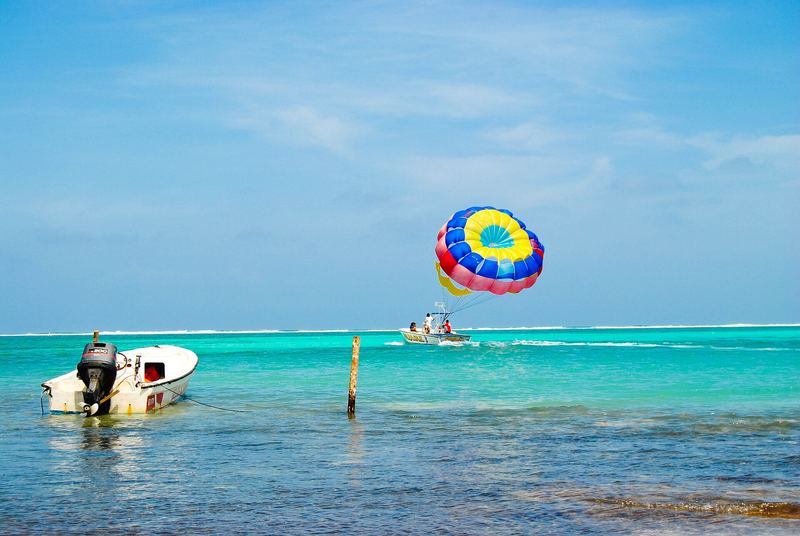
Honduras is a reasonable honeymoon choice only in a narrow form: a stay on Roatán, perhaps with a side trip to Utila or Copán. Done that way, it is a lovely, good-value reef honeymoon: snorkeling off the sand at West Bay, a picnic on a tiny cay and grilled lobster at sunset in West End. It offers excellent diving and snorkeling on one of the healthiest stretches of the Mesoamerican reef, with walls dropping into deep water close to shore. Beaches like West Bay are soft and sheltered. Boutique resorts and dive lodges cost less than in many Caribbean islands.
The Bay Islands also have their own culture. Many families descend from British and Cayman Islands settlers and speak a Caribbean English, while Garífuna communities keep their language, drumming and food alive.
What Honduras does not suit is a free-roaming road trip through the mainland, however beautiful its cloud forests and lakes are. If your honeymoon plans involve renting a car and exploring on your own, choose another country.
Safety First: What Level 3 Means
Level 3 is the second-highest of the State Department's four levels. It does not ban travel but asks you to think seriously about whether to go. In Honduras, the warnings focus on gang violence, extortion and armed robbery on the mainland. US government staff need special approval even to drive through some neighborhoods of Tegucigalpa, San Pedro Sula and Choloma. Demonstrations can block roads and airports with little warning.
For honeymooners, the practical answer is to limit time on the mainland. The Bay Islands have their own crime, mostly theft and occasional robberies, but they are far from the gang-dominated urban zones and have a long-established tourism industry. Copán Ruinas is a small, tourist-oriented town that most visitors find calm.
Whatever you choose, enroll in STEP, buy insurance with medical evacuation cover, avoid road travel after dark and never resist a robbery. Read the full advisory before booking.
Best Time to Visit
The Bay Islands are warm year-round, with sea temperatures suitable for swimming in every month. The driest and calmest period is usually from about February to June, with clear water and sunny skies. March to May is popular with divers. Summer is hot and humid but generally still good.
The rainy season on the islands runs roughly October to January, when northerly winds, called nortes, can bring days of rain and rough seas. Hurricane season runs June to November. The islands have been hit in the past, most memorably by Hurricane Mitch in 1998. Travel insurance is worth it.
Whale sharks are most often seen off Utila from about March to April and again around August to December, though sightings are never guaranteed. In the Copán valley, the dry season runs from about November to April, while rain falls most afternoons in the summer months.
Where to Go
- Roatán: the largest Bay Island and the main honeymoon base, with West Bay's beach, the dive town of West End and quieter resorts along the north and east coasts.
- Copán Ruinas: a cobbled hill town near the Guatemalan border beside the ruins of Copán, a Maya city famous for its carved stelae and Hieroglyphic Stairway.
Utila, reachable from Roatán by ferry or small plane, is a laid-back island known for cheap dive courses and whale sharks. It is fun but basic and better for adventurous couples. Guanaja is quiet and remote, with few hotels. The Cayos Cochinos, a protected group of small cays, make a good day trip by boat.
On the mainland, places like Lake Yojoa and the Pico Bonito rainforest near La Ceiba are lovely but involve more road travel. The Mosquitia region in Gracias a Dios is Level 4 and should be avoided.
Closer Alternatives Worth Weighing
If the Level 3 rating makes you hesitate, the same reef runs through countries with lower advisories. Belize's Ambergris Caye and Caye Caulker sit on the Mesoamerican Barrier Reef, with snorkeling at Hol Chan and diving at the Blue Hole. Belize's Cayo District adds Maya ruins and jungle lodges, giving you Copán-style history and Roatán-style water in one English-speaking country.
Mexico's Cozumel and the Riviera Maya also sit on the reef, with far more resorts and flights. Costa Rica offers rainforest, volcanoes and Pacific beaches with a polished tourism setup.
For something closer in character to the Bay Islands, look at Panama's Bocas del Toro, a laid-back Caribbean archipelago. Each of these can deliver a relaxed honeymoon without planning around a Level 3 warning.
Sample 10-Day Itinerary
Days 1 to 4, West Bay and West End, Roatán. Fly nonstop to Roatán and settle into a beachfront hotel in West Bay. Snorkel straight off the beach, take a sunset boat and walk to West End for dinner and live music.
Days 5 and 6, a quieter coast. Move to a boutique resort or villa on the north shore or in the east, near Camp Bay or Paya Bay. Take a boat to the mangrove channels at Oak Ridge or out to the small cays off the east end.
Days 7 and 8, Utila or the Cayos Cochinos. Take a day trip or overnight to Utila, where divers may see whale sharks in season, or a boat day to the Cayos Cochinos marine reserve.
Days 9 and 10. Fly to San Pedro Sula and take a private daytime transfer to Copán Ruinas for two nights, or stay on Roatán and simply relax before flying home.
Budget and Costs
These ranges are approximate and change with the season. On Roatán, beachfront resorts and boutique hotels typically cost around $150 to $450 a night for two, with private villas higher. Simpler guesthouses and dive lodges in West End can be under $120. Dining out ranges from casual seafood spots at about $30 to $50 for two to upscale dinners at $80 to $150.
Diving is a good value compared with much of the Caribbean. Utila is known for some of the cheapest dive courses in the region. Boat tours, island excursions and private transfers add up.
Copán Ruinas is cheaper, with comfortable hotels and lodges often under $150 a night and meals much less than on the islands. A ten-day honeymoon focused on Roatán, excluding international flights, might land somewhere around $3,500 to $7,500 for two, depending on resort choice and activities.
Getting There and Around
For an island honeymoon, fly direct to Roatán (RTB). Nonstop flights connect it with Atlanta, Houston, Dallas/Fort Worth and Miami, with seasonal service from a few other cities, in about two to three hours. That avoids mainland airports altogether.
San Pedro Sula (SAP) has more US routes, including Newark, Fort Lauderdale and Orlando. It is also the closest major airport to Copán, about four hours by road. Tegucigalpa's international flights moved to Palmerola International Airport (XPL), about an hour from the capital.
On Roatán, water taxis link West End and West Bay and taxis cover the rest of the island. Agree on fares before getting in. Ferries link Roatán and Utila with La Ceiba on the mainland. Small planes fly between the islands. Use private transfers arranged by your hotel for any mainland trip and travel only by day.
Culture and Etiquette
Honduras has two quite different cultures for visitors. On the mainland, Spanish is the main language and a polite greeting goes a long way. On the Bay Islands, many families speak a Caribbean English at home and Spanish is common too, especially among workers from the mainland.
Garífuna communities, descended from people exiled from St. Vincent by the British in 1797, live along the north coast and in Punta Gorda on Roatán. Their drumming and dance, called punta, are worth seeing.
Tipping of about 10% is common in restaurants if no service charge is added. On the islands, dress is casual, but cover up away from the beach. Ask before taking photos of people. Protect the reef by using reef-safe sunscreen and never touching coral.
Mosquitoes carry dengue; if you're pregnant or hoping to be soon, check CDC travel health notices for Honduras.
Quick tips
- Fly nonstop to Roatán when the islands are your goal and skip mainland connections.
- Arrange every mainland transfer through your hotel and travel only in daylight.
- Pay with dollars or cards on Roatán, but carry lempiras for Copán and small shops.