The Blue Lagoon, the South Coast, Jökulsárlón and Reykjavík in 9 Days

Warm water on arrival, waterfalls and icebergs in the middle, a city soak at the end

9 days4 stops
Original illustration
At a glance

Nine days on Iceland's classic southern route by rental car. Land and sleep beside the Blue Lagoon, spend three nights in the countryside for the Golden Circle and South Coast waterfalls, two nights near the Jökulsárlón glacier lagoon and finish with two slow nights in Reykjavík. Summer brings midnight sun; September to March brings aurora chances. Every season works with the right car and flexible days.

Nine days is the sweet spot for a first Iceland honeymoon that covers the south: one night at the Blue Lagoon on the Reykjanes Peninsula, three in the countryside for the Golden Circle and South Coast, two near the Jökulsárlón glacier lagoon and two in Reykjavík. Fly into Keflavík International (KEF), which has nonstops from many US cities in about five to six hours from the East Coast.

The order follows your body clock. Most flights land early in the morning. The lagoon is about 20 minutes from the arrival gate, so the first day is warm water and sleep. Then you drive east into the waterfalls and glaciers while you are fresh. Reykjavík comes last, when a long soak at Sky Lagoon and a tasting menu feel earned.

You need a rental car, a 4x4 with proper tires from October to April. Leave slack in every stop, because weather can cancel boat tours, close roads and change the plan in an hour. When the aurora forecast is good, nap in the afternoon.

The route

  1. Reykjanes PeninsulaIceland · 1 nights
  2. Golden Circle & South CoastIceland · 3 nights
  3. Southeast Iceland & JökulsárlónIceland · 2 nights
  4. ReykjavíkIceland · 2 nights
Best months
June to August for long days, September to March for aurora chances
Trip length
9 days
Budget
About $300–700 a night for two in countryside hotels, with The Retreat at Blue Lagoon well above that (approximate)

Day by day

Day 1: The Blue Lagoon and Reykjanes

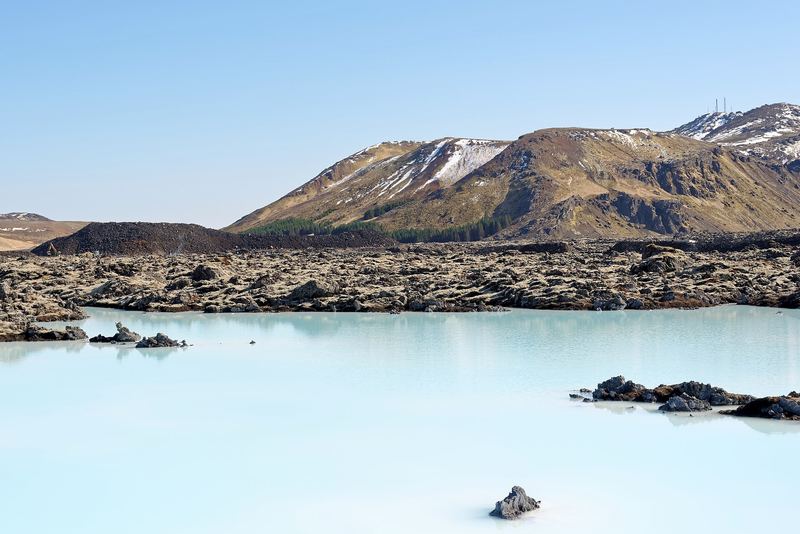
Pick up your rental car at Keflavík and drive about 20 minutes to the Blue Lagoon. This is the splurge night. The Retreat at Blue Lagoon has about 60 minimalist suites in a moss-covered lava field, with unlimited access to the subterranean Retreat Spa and a private lagoon carved between lava walls. Book dinner at Moss, its tasting-menu restaurant. Add an in-water massage if you want one.

If you still have energy after checking in, walk the Bridge Between Continents, a footbridge over the fissure between the North American and Eurasian plates. Then see the steaming mud pools at Gunnuhver. Otherwise, soak, eat and sleep.

The Reykjanes Peninsula has seen repeated volcanic eruptions near Grindavík in recent years. The Blue Lagoon has closed several times as a precaution before reopening. Book a flexible rate or good travel insurance and check the lagoon's website before you fly. If it is closed, Sky Lagoon near Reykjavík is a stylish alternative. You can also swap this night for a third in the city.

Days 2–4: The Golden Circle and South Coast

Drive inland to your countryside base for three nights. The ION Adventure Hotel near Þingvellir is a sleek design hotel in the lava fields with a Northern Lights Bar behind 180-degree windows. Hotel Rangá near Hella sits closer to the waterfalls. Staying out here means dark skies and quieter sights.

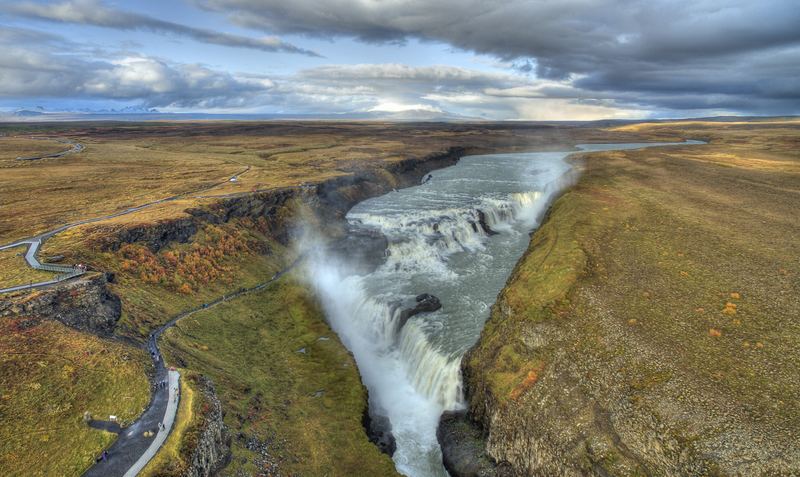
On day 2, do the Golden Circle early, before the tour buses. Walk the Almannagjá gorge at Þingvellir National Park, then snorkel the Silfra fissure in a dry suit if one of you is adventurous, booking ahead and checking the health and swimming requirements. Watch Strokkur erupt at Geysir every several minutes and finish at the two-tiered Gullfoss. Lunch on tomato soup in the Friðheimar greenhouse.

On day 3, drive the South Coast. Walk behind the curtain of Seljalandsfoss, climb the stairs beside Skógafoss and join a guided glacier hike on Sólheimajökull. End at Reynisfjara's black sand near Vík, staying well back from the dangerous sneaker waves. Keep day 4 as your weather buffer or a long soak.

Days 5–6: Jökulsárlón and Southeast Iceland

Drive east beyond Vík, about four hours from the Hella area with short stops. The road runs past lava fields and outlet glaciers spilling down from Vatnajökull, the largest glacier in Europe. Stay two nights between Skaftafell and Jökulsárlón, so both are close at quiet times of day. Fill up with fuel when you can, since stations are far apart here.

Go to Jökulsárlón early or late, when icebergs from Breiðamerkurjökull drift toward the ocean and tour buses are elsewhere. Take an amphibious boat or a Zodiac among the icebergs in the warmer months and watch for seals. Across the road, walk Diamond Beach at sunrise or sunset as ice chunks glow on the black sand. That is the romantic moment of the trip.

On day 6, hike to Svartifoss in Skaftafell, framed by dark basalt columns, or visit quieter Fjallsárlón. From about November to March, a licensed guide can take you into a blue ice cave. Drive to Höfn for langoustine at dinner.

Days 7–9: Reykjavík

The drive back to Reykjavík takes about five to six hours without stops, so start early and break it for lunch in Vík or a last walk at Seljalandsfoss. Return the car on arrival, since you will walk everywhere in the city and parking downtown costs money.

Day 8 is the slow day. Ride the elevator up Hallgrímskirkja for a view over the colored roofs, then wander down to the Sun Voyager sculpture and Harpa's glass facade on the harbor. Book a late-afternoon slot at Sky Lagoon, a geothermal pool on the shore with an infinity edge facing the open water. Its seven-step ritual includes a cold plunge, sauna and body scrub. In the evening, book a long tasting menu built on lamb, langoustine and Arctic char.

On clear winter nights, take a taxi to Grótta lighthouse at the city's western tip, where light pollution drops. On day 9, airport buses and taxis reach Keflavík in about 45 minutes.

Getting Between Stops

Keflavík Airport to the Blue Lagoon is about 20 minutes. The lagoon to the Golden Circle area takes about one and a half hours. From a base near Hella, Vík is around an hour and a half and the Jökulsárlón area roughly three and a half hours without stops. Jökulsárlón back to Reykjavík is about five to six hours without stops. Reykjavík to Keflavík is about 45 minutes.

In summer, a standard car is fine on these paved roads. From October to April, rent a 4x4 with studded or winter tires. Check road.is and the Icelandic Met Office every morning, drive slowly over one-lane bridges and never stop on the road for photos. Storms can close sections of the Ring Road for hours.

If neither of you wants to drive, small-group tours from Reykjavík cover the Golden Circle, the South Coast and Jökulsárlón. You will see less at quiet times. The day trip to Jökulsárlón is very long, so consider an overnight tour instead.

Where to Stay

On the Reykjanes Peninsula, The Retreat at Blue Lagoon is the luxury address, with suites in the lava field and a private lagoon. The Silica Hotel nearby is smaller and simpler with its own lagoon.

For the Golden Circle and South Coast, the ION Adventure Hotel sits at Nesjavellir above Lake Þingvallavatn, with an outdoor geothermal pool and modern Nordic cooking at its Silfra restaurant. Hotel Rangá near Hella is a countryside lodge known for aurora wake-up calls. Vík has a range of hotels if you want to be closer to the black-sand beaches.

In the southeast, Fosshotel Glacier Lagoon sits beneath Iceland's highest peak between Skaftafell and Jökulsárlón, with hot tubs and ocean-view rooms. Hótel Jökulsárlón is a short drive from the lagoon and Diamond Beach.

In Reykjavík, The Reykjavík EDITION sits beside Harpa on the harbor and Hotel Borg is a 1930s landmark on Austurvöllur square. Confirm blackout curtains in summer.

When to Go

Each season changes the trip. June to August brings near 24-hour daylight, green landscapes, open trails and the easiest driving, with temperatures in the 50s Fahrenheit. It is also the busiest and most expensive time. The midnight sun also means no aurora.

September and October are a sweet spot for many couples: fewer crowds, autumn color, workable daylight and the return of dark nights for northern lights. Roads are usually still mild.

November to March is aurora and ice cave season. Daylight can shrink to four or five hours in December, snow dusts the lava and waterfalls freeze at the edges. Storms can close roads, so plan conservatively and keep day 4 free as a buffer. The pools feel wonderful in freezing air.

April and May are quiet shoulder months with lengthening days and lower prices, though the aurora season fades by late April.

Budget and Booking

Iceland is expensive. Plan on roughly $300–700 a night for two in good countryside and Reykjavík hotels, with The Retreat at Blue Lagoon costing well above that. Rental cars, fuel and guided tours add up quickly. A 4x4 in winter costs more. All figures are approximate and rise in summer.

Book in this order: The Retreat and Moss, the southeast hotel, the countryside base, then tours. Southeast Iceland has limited rooms that book out months ahead for summer and winter holiday weeks. Reserve Silfra, the glacier hike, the Jökulsárlón boat and any ice cave tour in advance, since they sell out and depend on conditions.

Save money on food by buying lunch at grocery stores and gas stations, then splurging at dinner. Tipping is not expected, since service is included in prices. Cards are accepted almost everywhere, even for small purchases.

Safety, Weather and Packing

Pack layers rather than one heavy coat: a waterproof shell, a warm midlayer, a hat and gloves for both of you, even in July. Wind is the main enemy, not cold. Bring waterproof hiking shoes with good grip and a swimsuit for every stop.

Respect the ocean and the ice. Reynisfjara and Diamond Beach have sneaker waves that surge without warning, so stay well back from the water and follow warning lights. Never walk on icebergs or onto glaciers without a certified guide.

At pools and lagoons, shower without a swimsuit before you enter. Icelanders take this rule seriously. Attendants will remind you. Stay on marked paths at geothermal areas, where the ground can be thin over boiling water. Never step on moss, which takes decades to recover.

In summer, bring eye masks for the midnight sun. In winter, keep warm layers by the door so you can dash out when the aurora appears.

Make It Shorter or Longer

With six days, skip the southeast and spend two nights in the countryside for the Golden Circle and South Coast, two in Reykjavík and keep the Blue Lagoon night. Jökulsárlón is too far to enjoy as a day trip.

With 12 days, add three nights on the Snæfellsnes Peninsula after Reykjavík, about two hours away. Hotel Búðir stands alone beside a black church with views of the glacier. The peninsula is quieter than the south coast.

With 14 days or more, drive the full Ring Road. Continue east from Jökulsárlón through the East Fjords to North Iceland and Lake Mývatn, then return to Reykjavík via Akureyri. Allow at least two nights in the north and add a night on the long eastern stretch.

Whatever you change, keep two nights near Jökulsárlón. The drive from Reykjavík is five to six hours each way. The lagoon is best at the quiet ends of the day.
FAQ

Planning this trip

Is 9 days enough for an Iceland honeymoon?

Yes, for the south. Nine days covers the Blue Lagoon, the Golden Circle, the South Coast, Jökulsárlón and Reykjavík with a spare day for weather. The full Ring Road needs closer to two weeks. Squeezing it into nine days means long drives and little time at each stop.

What is the best month for an Iceland honeymoon?

It depends on what you want. June to August gives midnight sun, open trails and easy driving. September and October balance daylight, fewer crowds and the first aurora nights. November to March brings northern lights, ice caves and short days, with storms that can close roads. Every season can be romantic.

Are we guaranteed to see the northern lights?

No. The aurora needs dark, clear skies and solar activity. It is not visible in the midnight sun of summer. From September to March, check the Icelandic Met Office forecast after dinner, stay at countryside hotels away from lights and ask about aurora wake-up calls. Clear skies matter more than the activity level.

Is the Blue Lagoon safe given the eruptions?

The Blue Lagoon and The Retreat have closed several times as a precaution during eruptions near Grindavík and reopened once authorities gave the all-clear. Protective barriers now guard the area. Book a flexible rate, check the lagoon's website and the Icelandic Met Office before you go and follow any closures. Sky Lagoon is a good backup.

Do we need a 4x4 in Iceland?

Not in summer for this route, since the Ring Road and Golden Circle roads are paved. From October to April, rent a 4x4 with winter tires and check road conditions every morning. The interior highland roads always need a 4x4, but this itinerary does not use them.

Stops on this route

Honeymoon Huts is reader-supported. When you book through links on this page we may earn a commission, at no extra cost to you. Our picks are editorially independent. How we earn money.