At a glanceThe classic northern Tanzania circuit at a honeymoon pace: two nights among Tarangire's baobabs and elephants, two on the rim of the Ngorongoro Crater, four in the Serengeti following the migration, then four on Zanzibar. It suits first-time safari couples who want the big, famous wildlife and a proper beach rest. Go from June to October or from January to February for the calving season.
Northern Tanzania is the safari route most couples dream about. It works best when it is not rushed. This version gives you three safari bases in a natural line from Arusha to the Serengeti, then a flight to Zanzibar for the beach.
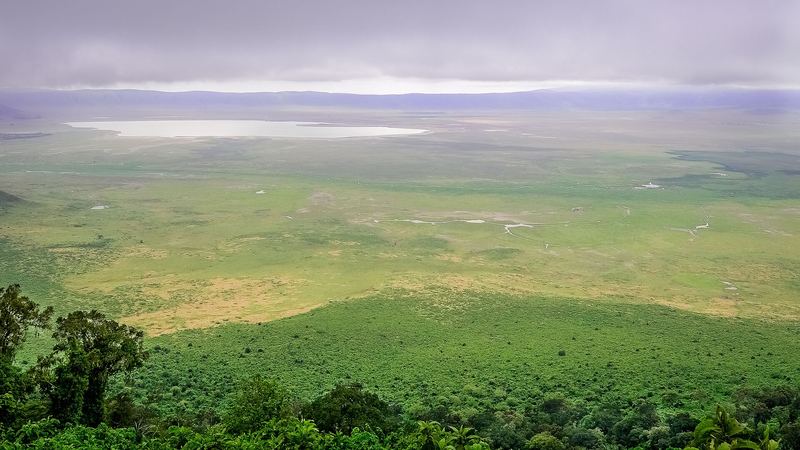
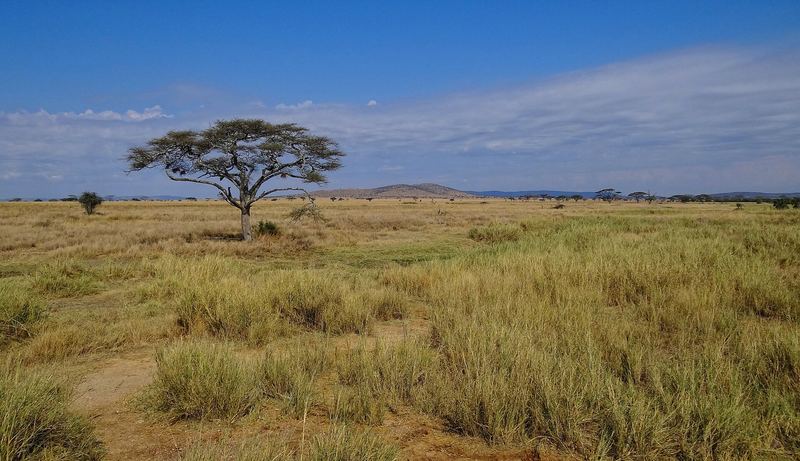
Tarangire comes first because it is close to the airport and easy on tired bodies. Its baobabs and big elephant herds are a gentle introduction. The Ngorongoro Crater follows: you sleep on the cool, misty rim and spend a full day on the floor of a collapsed volcano with lions, black rhino and flamingos. Then you head out onto the Serengeti for four nights, long enough to follow the migration or settle into a private reserve where you might not see another vehicle all morning.
Zanzibar is the reward. Four nights of warm water, dhow sails and Stone Town lanes are a soft landing after ten days of 5:30 a.m. tea. One guide and one vehicle can handle the whole mainland leg, which keeps the days simple.
The route
- Tarangire National ParkTanzania · 2 nights
- Ngorongoro CraterTanzania · 2 nights
- SerengetiTanzania · 4 nights
- ZanzibarTanzania · 4 nights
- Best months
- June to October and January to February
- Trip length
- 14 days
- Budget
- About $1,000–3,500 a night for two on safari and $400–1,500 on Zanzibar, before park fees (approximate)
Day by day
Days 1–4: Arusha and Tarangire
Fly into Kilimanjaro International (JRO). There are no nonstop flights from the US, so most couples connect through Doha, Istanbul, Amsterdam, Addis Ababa or Nairobi. Your guide meets you and drives you to a lodge or coffee farm near Arusha for the first night. Sleep.
On day 2, drive about two hours southwest to Tarangire on a paved road. Game drive in the afternoon along the Tarangire River, where elephant families gather to drink and dig in the sandy bed in the dry months. Stay out until the light turns the baobabs orange.
Day 3 is your first full safari day. Take a morning drive, rest through the heat, then go out again or join a guided walking safari in the conservation area outside the park. The romantic moment here is a sundowner beneath a giant baobab, followed by a lantern-lit dinner in the bush. Treehouse rooms at Elewana Tarangire Treetops make it easy to arrange. On day 4, drive about three hours up through Mto wa Mbu and the farms of Karatu to the crater rim.
Days 4–6: The Ngorongoro Crater
Arrive on the rim by midafternoon. At roughly 7,500 feet it is cool, so pull on a sweater and watch the clouds move across the crater floor about 2,000 feet below. Dinner by the fire tonight is the coziest of the trip.
Day 5 is the crater day. Leave early to be among the first vehicles down the descent road. The bowl is about 12 miles across and holds lions, elephants, buffalo, hyenas, hippos and some of the last black rhino in the region. Eat your picnic beside a hippo pool, but watch for the black kites that steal sandwiches. Look for flamingos on Lake Magadi on the way out.
On day 6, drive west across the highlands and plains into the Serengeti, stopping at Olduvai Gorge for its human-origins museum if you are curious. With game driving on the way it is a full day. Some couples fly from the Lake Manyara airstrip instead to save time.
Days 6–10: The Serengeti
Where you stay in the Serengeti should follow the herds. From about January to March they calve on the southern plains near Ndutu; from about July to October they reach the northern Serengeti and the Mara River. In between, the central Seronera area and the Western Corridor have strong resident wildlife all year.
With four nights, spend mornings and late afternoons out with your guide and the middle of the day at camp. If your dates line up, give one day to waiting at a river for a crossing.
The splurge is a sunrise balloon flight. You drift low over the plains in the first light, then land for a Champagne breakfast set up in the grass. On another evening, ask your lodge for a sundowner on a granite kopje, the outcrops lions use as lookouts. For a private reserve feel, Singita Sasakwa Lodge in the Grumeti reserve has cottages with their own infinity pools; Four Seasons Safari Lodge Serengeti, inside the park, is built around a busy waterhole.
Days 10–14: Zanzibar
Fly from a Serengeti airstrip to Zanzibar's Abeid Amani Karume International (ZNZ), often via Arusha. The flight takes a few hours with stops and lands you on the beach by afternoon.
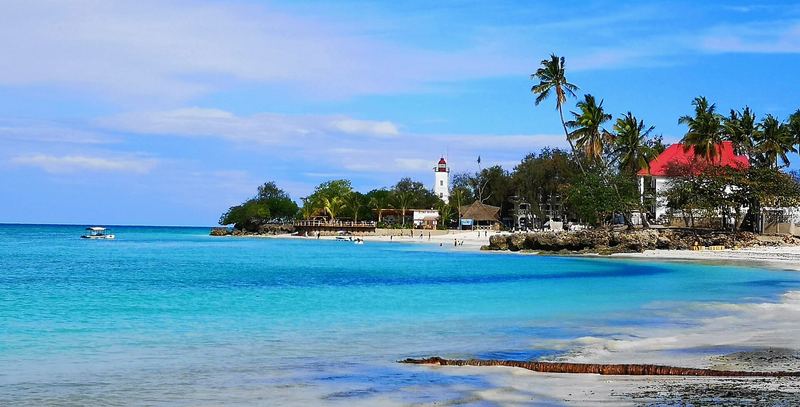
Stay on the north coast around Nungwi and Kendwa if you want to swim at most tides and watch the sun set over the water. The east coast has wide lagoons that empty at low tide. For total privacy, &Beyond Mnemba Island has beachfront bandas on a tiny private island ringed by reef.
Plan the four days loosely. Snorkel the Mnemba reef with turtles. Spend half a day in Stone Town with a guide among its carved doors and coral-stone houses, then eat at the Forodhani night market. Visit a spice farm to taste cloves and vanilla from the plant. The romantic moment is a sunset dhow sail with the lateen sail lit gold. On day 14, transfer to ZNZ for flights home through the Gulf, Istanbul or Addis Ababa.
Getting Between Stops
The mainland leg is easiest with one private guide and safari vehicle from Arusha to the Serengeti. The road to Tarangire is paved and takes about two hours. Tarangire to the crater rim is about three hours. The drive from the crater into the central Serengeti takes most of a day with game viewing, but it crosses some of the best scenery on the trip.
From the Serengeti, light aircraft fly to Arusha and on to Zanzibar. Scheduled bush flights often stop at several strips, so allow most of a morning. Luggage is usually limited to about 15 kg per person in soft bags.
If you would rather fly more, scheduled planes link Arusha with Lake Manyara for the crater and with Serengeti strips such as Seronera. Flying saves hours but you lose the guide who has come to know you.
Where to Stay
Tarangire: Elewana Tarangire Treetops has rooms raised among baobab and marula trees in a concession next to the park, where walking and night drives are possible. Chem Chem Lodge and Oliver's Camp are smaller alternatives.
Ngorongoro: stay on the rim for the views and the earliest descents. &Beyond Ngorongoro Crater Lodge is the famous name for butler-served suites. It has been through a major rebuild, so confirm its current layout before booking. Farm lodges near Karatu are cheaper and warmer but add a drive.
Serengeti: Four Seasons Safari Lodge Serengeti has terrace suites with plunge pools inside the park. Singita Sasakwa Lodge in the private Grumeti reserve offers off-road driving and walks. Mobile tented camps move with the migration.
Zanzibar: &Beyond Mnemba Island for privacy, or a boutique beach hotel on the north coast.
Advertisement
When to Go
June to October is the peak. The parks are dry, animals concentrate near water and Tarangire's elephants are at their best. The migration usually reaches the northern Serengeti from about July to October. Zanzibar is also at its driest, with July often the driest month.
January and February are the other strong window. The herds gather near Ndutu on the southern plains to give birth, which brings predators close. Zanzibar is hot, humid and mostly sunny.
November and December bring the short rains, green landscapes and fewer visitors. Avoid April and May: the long rains make some roads muddy, several lodges close and Zanzibar's resorts may reduce services. The crater rim is cool all year, so pack a warm layer whenever you go.
Budget and Booking
Tanzania is not cheap. Plan on roughly $1,000–3,500 a night for two at good safari lodges and camps, with private reserves and the best crater lodges above that. Zanzibar beach hotels run about $400–1,500 a night for two. These figures are approximate and depend heavily on season.
Park and conservation fees are charged per person per day and the crater has its own vehicle fee, so ask whether they are in your quote. A private guide and vehicle for the mainland leg is usually priced per day.
Book six to twelve months ahead for July to October and the Christmas holidays. A Tanzania specialist can coordinate lodges, guide and flights, which helps if a bush flight changes. Buy travel insurance with medical evacuation cover, since care outside Arusha and Dar es Salaam is limited.
Make It Shorter or Longer
For ten days, drop Tarangire and fly from Arusha to the Serengeti for four nights, then spend one night on the crater rim and four on Zanzibar. You lose the baobabs but keep the essentials.
With 16 or 17 days, split the Serengeti between two areas, such as the central plains and the north in migration season, or a park lodge and a private reserve. You could also add a night in a Stone Town boutique hotel before the beach.
For a quieter beach than Zanzibar, short flights reach Pemba Island or Mafia Island, both known for reefs and very few visitors. Couples who want a southern safari as well can fly from Zanzibar to Nyerere National Park for boat safaris on the Rufiji River.
Honeymoon Tips
- Wear khaki, olive or tan on safari. Dark blue and black attract tsetse flies in wooded areas.
- Pack a warm layer each for the crater rim and early drives.
- Mention your honeymoon when booking. Many lodges offer extras for newlyweds with proof of the wedding date.
- See a travel doctor about malaria prevention well ahead. If you're pregnant or hoping to be soon, check CDC travel health notices.
- On Zanzibar, cover shoulders and knees in Stone Town and villages for both of you. Swimwear is fine at the resort.
- Take a taxi rather than walking Stone Town's back lanes late at night.
- Read the State Department's current Tanzania advisory before you book.
FAQPlanning this trip
Is 14 days the right length for a Tanzania safari and Zanzibar?
It is close to ideal. Eight nights on safari covers three very different parks without rushing. Four nights on Zanzibar lets you recover properly. With fewer than ten days you would need to drop a park or shorten the beach, which makes the trip feel more like a schedule than a honeymoon.
Should we drive or fly between the parks?
Driving with one private guide is the classic way and the scenery between parks is part of the trip. Flying saves time between Arusha, Lake Manyara and the Serengeti but means changing guides at each stop. Many couples drive from Arusha to the Serengeti and then fly from there to Zanzibar.
Where in the Serengeti should we stay on our honeymoon?
Follow the season. From about January to March, stay near Ndutu in the south for calving. From about July to October, stay in the north near the Mara River. Central Seronera has good resident wildlife all year. A private reserve such as Grumeti adds off-road driving and walks.
Which part of Zanzibar is best after a safari?
The north coast around Nungwi and Kendwa is best for swimming at most tides and for sunsets over the water. The east coast is quieter, with long beaches and big tides. For complete privacy, &Beyond Mnemba Island off the northeast coast takes only its own guests. A night in Stone Town adds culture.
How much does a Tanzania safari honeymoon cost?
Expect roughly $1,000–3,500 a night for two at good safari lodges, plus per person park fees, a crater vehicle fee and bush flights. Zanzibar is cheaper at about $400–1,500 a night. These are approximate figures. Traveling in November, early December or June can lower rates noticeably.