Why Honeymoon at Ngorongoro
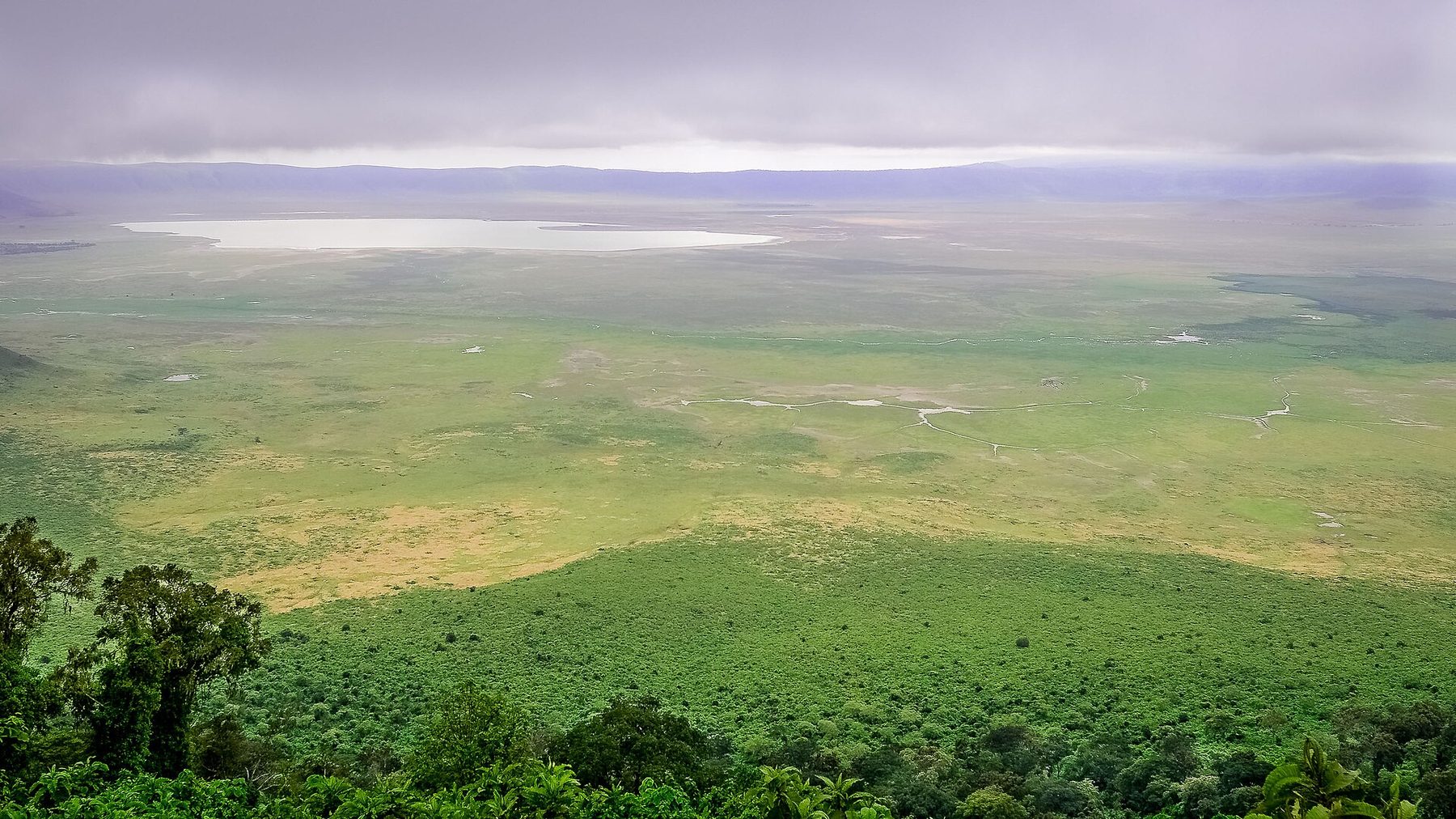
There is something deeply romantic about the crater's scale and stillness. From the rim you can take in the whole ecosystem in a single gaze, a view that changes with every hour as cloud shadows drift across the floor. Down below, the concentration of wildlife means you can see an astonishing range of animals in one day, including some species that are hard to find elsewhere.
The wider Ngorongoro Conservation Area, about 3,200 square miles of highlands, plains and craters, is a UNESCO World Heritage site recognized for both nature and culture. It is shared by wildlife and Maasai pastoralists. It also holds Olduvai Gorge, one of the world's most important sites for understanding human origins. Few places combine so much natural drama with such deep history.
When to Go
The crater is a year-round destination because many animals live there permanently. The dry season, roughly June to October, offers easy viewing and clear skies, though it is also the busiest time. The green season brings lush scenery, newborn animals and fewer visitors, while the long rains around April and May can make some roads muddy.
The wider area plays a role in the Great Migration too: roughly from December to March, the herds gather on the plains to the west, near Ndutu, for calving season. Whenever you go, be ready for cool weather on the rim, which sits high above the crater floor. Mornings and evenings can be chilly year-round, so bring warm layers.
Where to Stay
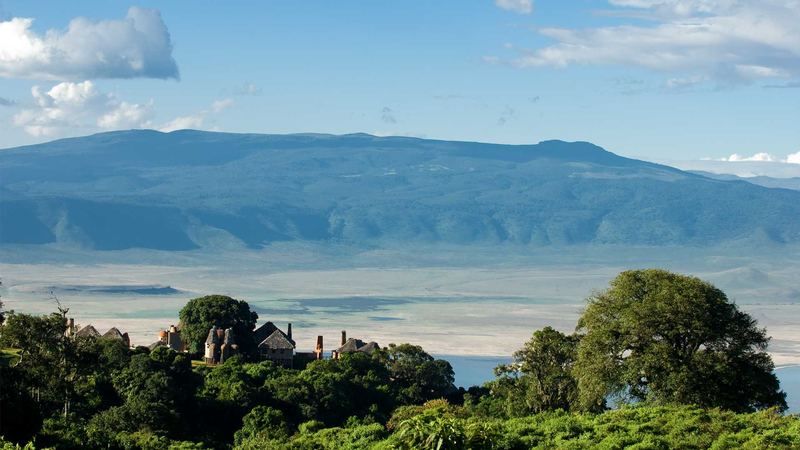
Lodges on the crater rim give you the views and the quickest access to the descent roads, so you can be among the first vehicles on the floor in the morning. The most famous is &Beyond Ngorongoro Crater Lodge, long celebrated for its theatrical design and butler service. It has undergone a major rebuild, so confirm its current status and suite layout with &Beyond before booking; whatever its new look, its position on the rim and its focus on personal service make it a honeymoon landmark.
Other options include large lodges on the rim and smaller, more intimate lodges and farms in the highlands around the town of Karatu, about 30 to 45 minutes from the crater gate, which surround you with coffee plantations and gardens. Staying near Karatu can be good value and makes a convenient stop between Lake Manyara or Tarangire and the Serengeti.
Romantic Things to Do
The highlight is a full day on the crater floor. Set off early, when the light is soft and the vehicles few. Spend hours tracking lions, elephants and black rhino, with a picnic lunch beside a hippo pool. Look for flamingos wading on the shallow, alkaline Lake Magadi and for elephants and waterbuck around the Lerai Forest.
On the rim, guided walks reveal forest birds and high lookouts. Many couples visit a Maasai community to learn about traditional life and livestock-herding culture on the highlands. History lovers can make the trip to Olduvai Gorge, where Mary and Louis Leakey's excavations uncovered early human ancestors. And in the highlands near Karatu, coffee farm tours make a gentle, scenic afternoon.
Getting There & Around
Fly to Kilimanjaro International Airport (JRO), usually with a night near Arusha. From Arusha, the crater is a road transfer of a few hours, passing Lake Manyara and the farmland around Karatu. Alternatively, a light-aircraft flight to the Lake Manyara airstrip shortens the trip, followed by a drive up into the highlands.
Most visitors travel by road between Ngorongoro and the Serengeti, a long but scenic drive that crosses the conservation area's highlands and plains. The rim sits at roughly 7,500 feet and the descent roads are steep and bumpy, so a crater day is long and dusty but worth it. On the crater floor, game drives are in safari vehicles with your guide. Authorities limit the number of vehicles allowed in the crater at once and charge fees per vehicle, which your lodge or operator will arrange.
Food & Drink
Rim lodges serve hearty, comforting food suited to the cool highland air: soups, grilled meats, fresh vegetables from the fertile farmland nearby and plenty of hot tea and coffee. The Karatu highlands are known for coffee, so ask for a local brew with breakfast.
Picnic lunches are a ritual on crater days, usually enjoyed at a designated spot on the floor. Keep an eye on the sky, as the black kites that patrol the picnic sites are bold enough to snatch a sandwich from your hand. In the evening, a glass of wine by a crackling fire, with the crater falling into darkness below, is a highlight of any honeymoon.
Honeymoon Tips
- Stay on the rim for the views and the earliest descents.
- Plan one full day in the crater; two nights total is ideal.
- Pack warm layers, as the rim is cold in the early morning and evening.
- Bring binoculars to spot rhinos, which often keep their distance.
- Combine Ngorongoro with the Serengeti, Tarangire or Lake Manyara, then finish on Zanzibar.
- See a travel doctor about malaria prevention for the wider safari. If you're pregnant or hoping to be soon, check CDC travel health notices for this destination.