Coasts and Islands
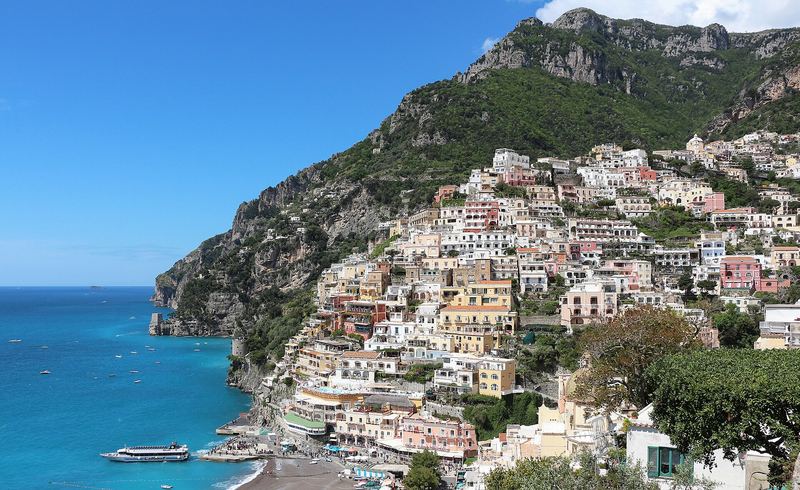
Italy's showpiece coast is Amalfi: pastel towns stacked on cliffs, a single winding road and a private boat day to Capri as the highlight of most trips. Beaches are small and pebbly. Many couples swim from hotel platforms or beach clubs. Lake Como offers a different kind of water, framed by gardens and the Alps.
Spain's coasts lean to islands and coves. Mallorca has the most range, from Palma's cathedral quarter to the stone villages of the Serra de Tramuntana around Deia and Soller. Menorca is quieter and greener, with turquoise coves you reach on foot. Ibiza has a calm north coast and a short ferry to Formentera. On the mainland, the Costa Brava trades crowds for rocky coves and fishing villages such as Calella de Palafrugell.
Italy's coast is more dramatic to look at. Spain's is easier to swim in, with more sandy coves and clear water from about June through October.
Cities and Culture
Italy's honeymoon city is Venice, with canals and palaces best enjoyed early and late over at least two nights. Rome and Florence slot in easily by train. Renaissance frescoes appear in places you least expect.
Spain has a deeper bench of romantic cities. Barcelona has Gaudi's buildings, the Gothic Quarter and a beach on the city's edge. Seville is the romantic city of the south, with tiled courtyards, the Alcazar and late flamenco in small venues. In Granada, watch the Alhambra turn red at sunset from the Mirador de San Nicolas, then walk down through the Albaicin's white lanes to a bar where every drink comes with a free tapa. Madrid closes many itineraries with the Retiro and a late dinner near Plaza Mayor.
If cities are a big part of your plans, Spain gives you more variety. If one extraordinary city is enough, Venice is hard to top.
Food, Drink and the Daily Rhythm
Both countries are food destinations, but they eat on different clocks. In Italy, evenings begin with aperitivo on a terrace, lunch runs about 1 to 3 p.m. and dinner rarely starts before 8. Every region has its own specialties, from Amalfi seafood and lemons to Tuscan steak, plus wine estates where you can stay the night.
Spain runs later. Lunch is roughly 2 to 4 p.m. and dinner from 9 p.m., often 9:30. Because Spain is six hours ahead of New York, the late schedule suits bodies still half on Eastern time. Tapas dinners for two with wine often cost $50 to $90, while tasting menus at the famous Basque restaurants around San Sebastian run several hundred dollars a person. La Rioja, about two hours south of San Sebastian, adds cellar visits.
Couples who love a long, unhurried lunch will be happy in either. Couples who love late nights will feel more at home in Spain.
Hotels and Value
Italy's hotels are its crown jewels. On the Amalfi Coast we love Le Sirenuse, Hotel Santa Caterina, Caruso and Monastero Santa Rosa. Lake Como has Villa d'Este and Passalacqua. Tuscany has estates such as Borgo Santo Pietro. They come at a price: luxury hotels in Italy's top honeymoon regions run from several hundred dollars a night to well over $1,500 at the most famous addresses in peak season.
Spain usually costs less for the same comfort, though the gap has narrowed in Barcelona and on the islands. A good boutique hotel in Seville or Granada often runs about $180 to $350 a night. Five-star city hotels start around $450. Top Mallorca and Ibiza resorts can pass $1,000 in July and August. Advance high-speed train fares between Madrid and Seville can be under $40 each.
All figures are approximate. Both countries add tourist taxes, including the Balearic sustainable tourism tax on the Spanish islands.
Seasons, Heat and Winter Options
May, June and September are the sweet spots in both countries, with early October close behind. July and August are hot and crowded. In both countries locals take their own August holidays.
Spain's inland heat is more extreme. Seville, Cordoba and Madrid regularly top 100 degrees Fahrenheit in July and August, so plan outdoor sightseeing before noon. Spring is the best time for Seville and Granada, when orange blossom scents the old quarters. Italy's summer heat is intense in cities and on the Amalfi Coast but rarely as fierce.
Winter is where Spain pulls ahead. The Canary Islands stay in the low 70s, making Tenerife the best answer for a December or January honeymoon with beach time. Seville and Granada are mild on most December days. Italy in winter means cities such as Venice, Florence and Rome, since many Amalfi and Lake Como hotels close from about November to March, as do many Balearic hotels.
Getting There and Moving Between Regions
Spain has the edge on flights. Madrid has the widest choice of US nonstops, with Iberia, American, Delta, United and Air Europa all flying there. Barcelona has nonstops from several East Coast cities. United also runs seasonal summer nonstops from Newark to Palma de Mallorca, Malaga and Bilbao. Italy has nonstops to Rome, Milan and, seasonally, Venice, typically around eight to ten hours from the East Coast.
Both run on high-speed rail. Madrid to Seville or Barcelona takes about two and a half hours. Competing operators keep fares low if you book early. Italy's network links Venice, Milan, Florence, Rome and Naples. Spain adds short island flights, with Barcelona to Palma under an hour.
Driving is easier in Spain. Rent a car for Mallorca, Menorca, the Costa Brava or La Rioja. In Italy, skip the car on the Amalfi Coast and in cities, though rural Tuscany is easier with one.
Safety, Etiquette and the Final Call
The State Department rates Spain Level 2, citing terrorism and the possibility of unrest. In practice, the risk most couples meet in either country is pickpocketing, especially on Barcelona's Las Ramblas, Madrid's Sol area and around Italy's major sights and crowded trains. Keep phones off cafe tables and use a zipped bag worn in front.
Etiquette is similar. Cover shoulders and knees in churches and cathedrals, greet shopkeepers when you enter and do not expect the check until you ask. In Spain, keep beachwear on the beach, since several coastal towns fine people for walking the streets in swimsuits. In Barcelona, people speak Catalan as well as Spanish, so a little respect for regional identity goes a long way.
The final call comes down to style. For cliffs, lakes and grand hotels, choose Italy. For coves, tapas, late nights and better value, choose Spain.