Two Kinds of Beauty
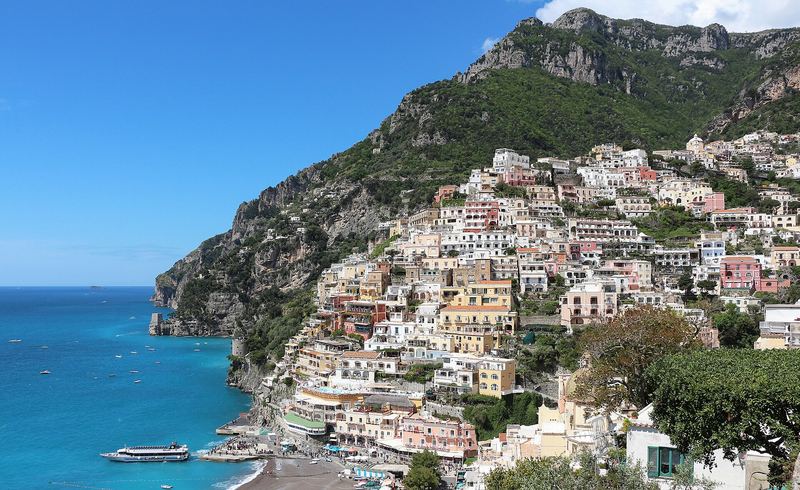
The Amalfi Coast hits you all at once. The road rounds a bend and there it is: pastel houses stacked on cliffs, church domes catching the sun and lemon terraces dropping to a very blue sea. Every balcony frames another view. It is intense, theatrical and close to overwhelming in the best way.
Puglia works more slowly. The land is flatter, covered in ancient olive trees with dry stone walls and the cone-roofed trulli of the Itria Valley. Towns like Ostuni, Locorotondo and Cisternino are whitewashed and lived in, with Sunday markets and card games in the piazza. Lecce glows in soft golden baroque stone after dark. The coast runs from small rocky coves north of Brindisi to sandy beaches with very clear water in the Salento.
If you want a view that stops you in your tracks every day, choose Amalfi. If you would rather discover beauty in the light on a stone wall and a village nobody told you about, Puglia will feel more personal.
Hotel Style: Cliff Terraces or Masserie
The Amalfi Coast has some of the most famous hotels in Italy. Le Sirenuse in Positano is a family-run villa with candlelit dinners and the town spread below. Hotel Santa Caterina, just outside Amalfi, has cliff elevators down to a private beach club. Caruso, a Belmond hotel, crowns Ravello with its infinity pool and gardens. Monastero Santa Rosa in Conca dei Marini is a 20-room former convent with terraced gardens. These are among Italy's most expensive hotels in summer, so many couples book a couple of splurge nights and stay the rest in a smaller guesthouse.
In Puglia, the masseria is the stay. They range from simple family farms with a few rooms to large resorts. Masseria Torre Maizza, a Rocco Forte hotel among olive trees near the coast, starts around $900 a night in shoulder season. Borgo Egnazia and Masseria San Domenico are nearby. Smaller masserie and town hotels in Ostuni, Monopoli or Lecce cost far less.
The top masserie cost what top resorts do anywhere. Below that level, Puglia offers much more space for the money.
Driving, Boats and Getting In
For the Amalfi Coast, most couples fly into Naples (NAP), often via Rome or another European hub, or take the high-speed train from Rome to Naples or Salerno. A private car from Naples to Positano or Amalfi takes about an hour and a half. Once there, do not drive yourselves. The coast road is narrow, congested in summer and subject to traffic restrictions. Use private drivers, ferries between Positano, Amalfi and Capri, water taxis and hotel shuttles.
Puglia is the opposite. Fly into Bari (BRI) or Brindisi (BDS). Seasonal nonstops from the US to Bari have run in recent summers, so check schedules. Otherwise connect through Rome or Milan, or take the train from Rome to Bari in about four hours. Then rent a car. Roads are good and mostly flat, but public transport between masserie, beaches and towns is limited. Historic centers are camera-enforced traffic zones, so park outside and walk in.
If neither of you wants to drive, Amalfi is easier. If you like the freedom of a car, Puglia is a pleasure.
Swimming and Sea Days
On the Amalfi Coast, swimming is from rocky platforms, small pebble beaches and beach clubs where loungers are rented by the day. Prices peak in August. The best sea day is a private boat, a traditional gozzo or a speedboat, exploring grottoes and coves before crossing to Capri for lunch and the Faraglioni rocks. Book it through your hotel in advance, since private boats sell out in summer.
Puglia has more coastline and more sand. Polignano a Mare has Lama Monachile, a pebbly cove framed by cliffs. Boats from Monopoli and along the Salento explore grottoes. Farther south, the Salento's sandy beaches have water as clear as anywhere in Italy. Beach clubs, called lidi, rent loungers by the day. Free public beaches are plentiful though crowded in August.
Amalfi's sea is more glamorous. Puglia's is more varied and more relaxed, especially if you stay at a masseria with a pool for the hottest hours.
Food on Each Coast
Amalfi cooking is built on the sea and the lemon. Order scialatielli, a thick fresh pasta, with seafood. Try spaghetti alle vongole and, near Nerano, spaghetti with fried zucchini and cheese. In Cetara, look for colatura di alici, an amber anchovy sauce descended from Roman garum. Finish with delizia al limone or a sfogliatella Santa Rosa. Drink Falanghina, Fiano or wines from the steep vineyards of Furore.
Puglia is one of Italy's great food regions, with bigger portions and smaller bills. Orecchiette comes with turnip greens, anchovies and chili. Burrata comes from here and tastes best here. Focaccia barese is the beach lunch. In Cisternino, butcher shops grill meat to order in the evening, especially bombette, pork rolls stuffed with cheese. Coastal towns serve raw seafood and fresh sea urchins. Primitivo and Negroamaro reds are bold and good value.
For a special dinner, both deliver: a sunset terrace on the Amalfi Coast, or Grotta Palazzese, the restaurant inside a sea cave at Polignano a Mare.
Seasons and Crowds
Both regions are best in late May, June and September. The sea is warm, hotels and restaurants are open and the heat is manageable. Early October can be lovely in both.
July and August are peak months with different flavors. On the Amalfi Coast, roads are jammed, rates hit their highest and every famous terrace is booked. In Puglia, August is when Italians flood south for their own holidays. Prices peak and beaches fill, especially around Ferragosto in mid-August, while July is hot but lovely if your hotel has a pool.
Out of season, both get quiet. Most of the famous Amalfi hotels close from about November to March. Many masserie and beach clubs in Puglia close then too, although Lecce and the towns stay lively. Spring is good for walking the Path of the Gods above Positano or touring Puglia's towns, though the sea is cool.
On crowds, Puglia wins at any time of year. Amalfi's beauty comes with a lot of company.
Linking Them in One Trip
Combining the two is very doable with ten nights or more. The drive from the Amalfi Coast to the Itria Valley takes about four hours across the Apennines. Matera, the cave city in Basilicata, sits roughly between them and makes an excellent overnight stop.
A balanced plan is four nights on the Amalfi Coast, split between Positano and Ravello, one night in Matera, then four or five in a Puglia masseria with a day in Lecce. Start on the coast while you have energy for stairs and boat days, then finish by a pool in the olive groves.
Pick up your rental car as you leave the Amalfi Coast, not on arrival. Fly home from Bari or Brindisi. With only a week, choose one region rather than rushing both.