The Mood: Resort Island or City Island
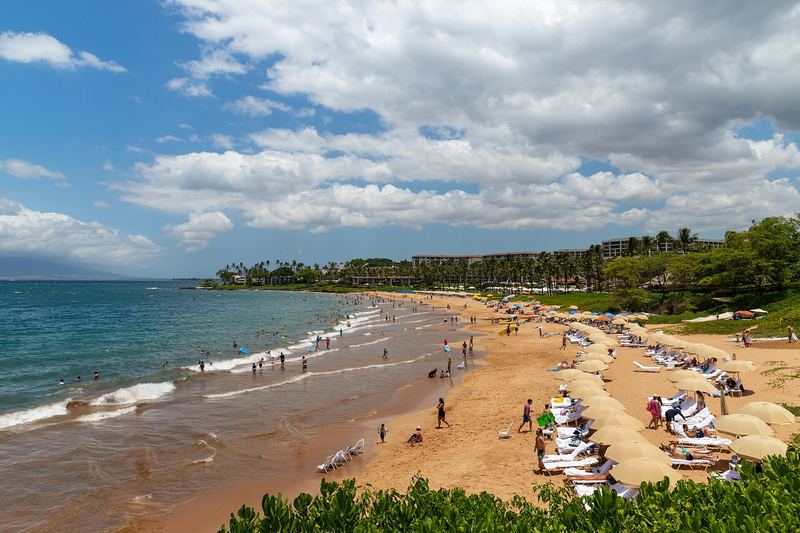
Maui is calm by design. Wailea, Kapalua and Kāʻanapali are resort areas rather than towns. Once you leave them you are in ranch country on Haleakalā's slopes or on the slow road to Hana. Days revolve around beaches, boat trips and drives. Nights are quiet unless you seek out Kāʻanapali's beach walk.
Oʻahu has more texture. Waikiki is busy and walkable, with restaurants, bars and the beach outside the door. A few miles east, the Kahala coast feels private. The windward side around Kailua and Lanikai has very little development on the beach itself. The North Shore is surf country, rural and slow, where winter waves can top 30 feet and summer seas go flat enough to snorkel. That variety means Oʻahu works best as a split stay, perhaps four nights near Honolulu and three in the country. If the city part sounds like a burden, Maui is your island. If it sounds like a bonus, give Oʻahu a serious look.
Flights From the Mainland
This is where Oʻahu pulls ahead. Daniel K. Inouye International Airport (HNL) has the most nonstop flights of any airport in Hawaii, from most West Coast cities and from hubs farther east including Dallas, Denver, Chicago, Atlanta and New York. Flights run about five and a half hours from California and up to eleven from the East Coast. Waikiki is about 25 minutes from the airport.
Maui's Kahului Airport (OGG) has nonstops from many West Coast cities in about five to six hours, with fewer options from farther east. From Kahului, Wailea is roughly 30 to 40 minutes and Kapalua about an hour. Couples from the East Coast often connect anyway, so the gap matters most if you value a nonstop after a long wedding weekend. Neither island needs a passport for US citizens flying from the mainland, which helps if one of you is changing names. Interisland flights from Honolulu to Maui take well under an hour, which makes pairing the two easy.
Days Out Together
Maui's highlights are big and set-piece. Sunrise on the Haleakalā summit needs a National Park Service reservation and warm layers. The Road to Hana takes a full day. A morning boat to Molokini Crater brings clear water and reef fish. From about December to April, humpbacks breed and calve offshore. Sunset sails off Wailea and a luau round out the week.
Oʻahu's highlights are smaller and more varied. Climb the short, steep Kaʻiwa Ridge trail above Lanikai at sunrise, then kayak out to the Mokulua islets, staying on the sand at Moku Nui because the interior is a seabird sanctuary. Watch winter surf at Waimea Bay or snorkel Shark's Cove in summer. Spend a half day at Pearl Harbor and reserve USS Arizona Memorial tickets ahead. Diamond Head and Hanauma Bay both need advance reservations. Hanauma closes two days a week. You will plan more on Oʻahu, but there is more to plan for.
Where to Stay on Each
On Maui, our three picks cover the range. Hotel Wailea is the kid-free, 72-suite Relais & Châteaux retreat above Wailea. Four Seasons Resort Maui at Wailea sits on Wailea Beach with a kid-free infinity pool and Spago among its restaurants. Montage Kapalua Bay offers residence-style homes on the bluff in West Maui. Expect all three to run well into four figures a night in winter, as an approximate guide.
On Oʻahu, Halekulani is the classic couples hotel in Waikiki, quiet by local standards, with ocean views from most rooms and Hawaiian music and hula every evening at its House Without a Key terrace. It and The Kahala Hotel and Resort typically run from roughly $700 to well over $1,000 a night (approximate). For the country half, Turtle Bay Resort sits alone on a point at Kahuku. Four Seasons Resort Oahu at Ko Olina offers reliable sun and sheltered lagoons, though it is far from everything else. If you rent in Kailua, check the listing is legally permitted.
Eating Well
Oʻahu is the easier island for couples who plan trips around food. Honolulu runs from plate lunch counters and poke shops to chef-driven tasting menus built around Hawaiian fish and island farms, plus excellent sushi. Malasadas from Leonard's on Kapahulu Avenue are a ritual. On the North Shore, the garlic shrimp trucks between Haleʻiwa and Kahuku serve lunch on paper plates with an ocean view. Book celebration dinners well ahead on weekends.
Maui eats well too, just with fewer choices. Wailea's resort restaurants, including Spago and Ferraro's at the Four Seasons and The Restaurant at Hotel Wailea, are some of the island's best. Paʻia does fish tacos before or after the Road to Hana. Upcountry, Makawao and Kula have farm-to-table cafés and bakeries. On both islands, poke and shave ice are daily pleasures and a sunset mai tai is practically required. If one of you would happily skip a beach day for a great lunch, Oʻahu wins this round.
Seasons, Crowds and Costs
The calendars are almost identical. Both islands are warm year-round, with coastal highs in the upper 70s to upper 80s. April to May and September to October are the sweet spots on each, with steady trade winds, warm water and better rates. Winter brings humpback whales and big north-shore surf to both. The holidays are the most expensive stretch. Summer means family crowds, especially in Waikiki.
Costs depend on where you sleep more than which island you choose. Top Maui resorts usually run higher than the best Waikiki hotels, which start around $700 a night (approximate). Oʻahu adds a different expense: parking at Waikiki hotels often costs around $50 or more per night, so rent a car only for your country days. On Maui, a rental car is close to essential for the whole stay. Book it early, because the island's fleet can sell out in peak season.
Pairing Them in One Trip
Maui and Oʻahu make an easy two-island honeymoon because Honolulu is Hawaii's main hub. Fly into HNL, spend three or four nights between Waikiki and Lanikai or the North Shore, then take a short interisland flight to Kahului for four or five nights in Wailea or Kapalua. That order works well: you get the city energy and the history while you are fresh, then finish with resort time.
With a week or less, pick one. Choose Maui for the simpler, quieter trip. Choose Oʻahu if the flights from your city are much better or if food and history pull at you. Visiting Maui means traveling thoughtfully, too. West Maui is still recovering from the 2023 Lahaina wildfire, so support local businesses and treat affected areas with respect rather than as photo stops. On either island, respect winter shore breaks and use reef-safe sunscreen, because Hawaii bans oxybenzone and octinoxate.