Resort Polish or Wild Green Edges
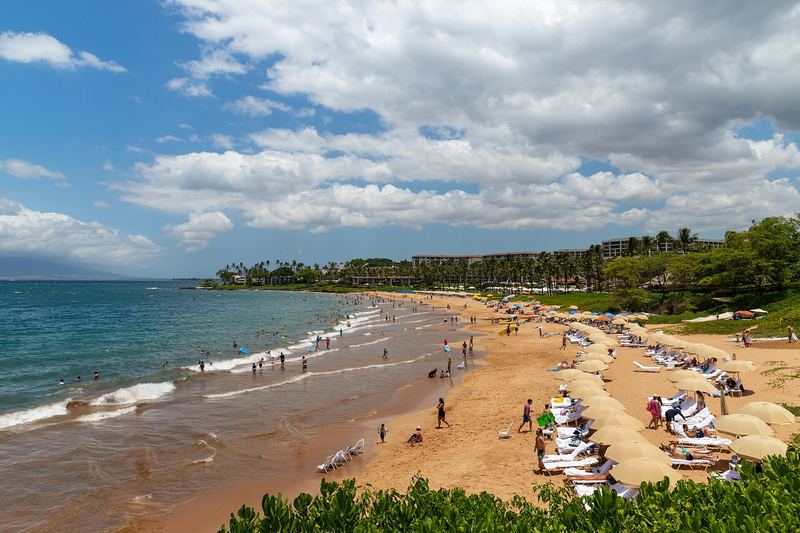
Maui's appeal is range with comfort. Wailea on the south shore is dry and resort-polished. Kapalua and Kāʻanapali in West Maui are greener, with views across to Molokaʻi and Lānaʻi. Upcountry on Haleakalā's slopes brings ranches, lavender farms and cool air, while Hana on the east side feels remote. You can shape the trip around pool days and still see something new each afternoon.
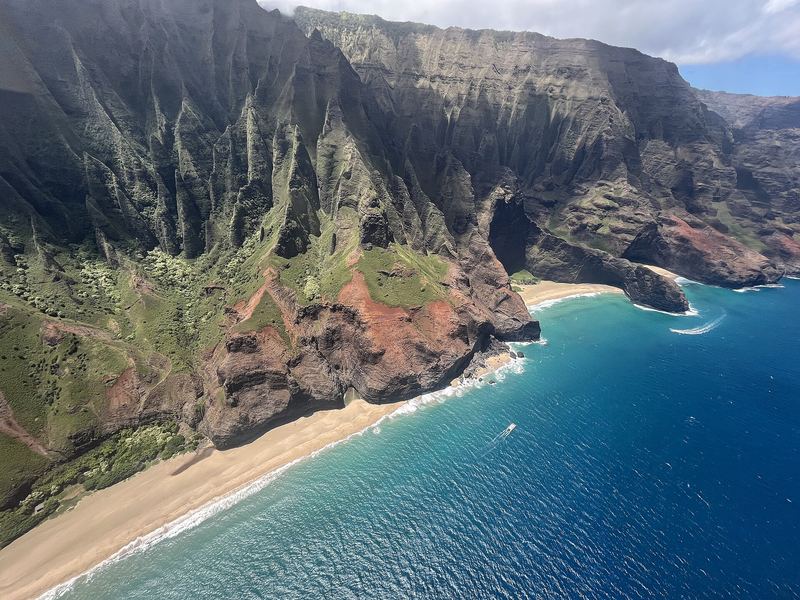
Kauaʻi is less built and more dramatic. The Nā Pali Coast can only be seen by boat, helicopter or on foot. The North Shore around Hanalei has taro fields, one-lane bridges and a crescent bay under waterfall-streaked mountains. Poʻipū on the south shore is the sunny counterweight, with calmer swimming beaches and larger resorts. There are no high-rises and much of the island is reachable only on foot. Couples who want to be surrounded by scenery will feel it on Kauaʻi. Couples who want to be surrounded by good service will feel it on Maui.
Signature Days on Each Island
On Maui, three days tend to anchor the trip. Sunrise from Haleakalā summit needs an advance reservation through the National Park Service, plus warm layers for the cold. The Road to Hana is a full day of curves, bridges and waterfalls, best started early. A morning boat to Molokini Crater gives you clear water and reef fish. Fill the gaps with a sunset sail off Wailea, a luau and, from about December to April, a whale-watching cruise.
On Kauaʻi, the Nā Pali Coast is the must. Summer catamaran or raft tours run along the cliffs, often with snorkeling and spinner dolphins. Helicopter tours fly year-round. Hikers can walk the first two miles of the Kalalau Trail to Hanakāpīʻai Beach, though the currents there are deadly, so admire it from the sand. Add the Waimea Canyon and Kōkeʻe lookouts in the clear morning, a guided Wailua River paddle to Secret Falls and sunset at Hanalei Pier.
Hotels and What They Cost
Maui has the deeper bench at the top. Hotel Wailea is a kid-free, 72-suite Relais & Châteaux retreat above Wailea with a private Treehouse dinner. Four Seasons Resort Maui at Wailea is the classic full-service beach resort, with a kid-free infinity pool and restaurants including Spago. Montage Kapalua Bay offers residence-style homes on the bluff and a large spa. All three typically run well into four figures a night in winter, as an approximate guide.
Kauaʻi's standout is 1 Hotel Hanalei Bay on the Princeville bluff, reopened in 2024 after a full transformation, with views across the bay to Makana and the Bamford Wellness Spa. Expect it to run well over $1,000 a night in high season. Poʻipū's beach resorts and condos often cost less. The east side's Coconut Coast is easier still on the budget. On both islands, prices are approximate and climb sharply around the holidays. Kauaʻi gives you more ways to save without feeling like you compromised.
Weather and the Best Months
Maui is warm all year, with coastal highs in the upper 70s to upper 80s. Its leeward south and west shores are the sunniest parts of the island. April to May and September to October are the sweet spots. December to April is whale season and also the busiest and most expensive stretch.
Kauaʻi is one of the rainiest places in Hawaii, though most of that rain falls in the mountains and on the North Shore. Poʻipū and the west side stay noticeably drier. May to September is best for the North Shore and Nā Pali boat tours, when seas calm. October to April brings big winter surf that closes many North Shore beaches to swimming. The good news is that rain on the North Shore often means sun in Poʻipū. If you are honeymooning in winter and want reliable beach days, Maui has the edge. In summer, Kauaʻi is at its best.
Getting There and Driving
Maui's Kahului Airport (OGG) has nonstops from many West Coast cities in about five to six hours. Wailea is about 30 to 40 minutes away and Kapalua about an hour. Kauaʻi's Līhuʻe Airport (LIH) has nonstops from several West Coast cities and connections via Honolulu. Poʻipū is about 25 to 30 minutes away and Princeville roughly 45 minutes to an hour.
You need a rental car on either island. On Maui, book early because the fleet can sell out. Allow extra time around Kahului at rush hour. On Kauaʻi, the main highway stops short of a full loop because the Nā Pali Coast blocks it, so getting from the North Shore to Waimea Canyon means the long way around. North Shore bridges are single lane: yield to oncoming groups and drive with aloha. Both islands require planning ahead for a few sights. Haleakalā sunrise and Hāʻena State Park on Kauaʻi each need reservations that sell out.
Evenings and Food
Maui has more to do after dark. Wailea's resort restaurants are some of the best on the island. Kāʻanapali has a lively beach-walk scene. Paʻia does relaxed fish tacos. Upcountry towns like Makawao and Kula have farm-to-table cafés. Look for local ʻahi, ono and opah. Leave room for a sunset mai tai and Kula strawberries.
Kauaʻi eats casually. Think food trucks, farmers markets, poke counters and shrimp shacks, with Hanalei offering a small cluster of laid-back restaurants and a bar scene. Kapaʻa and Kōloa are full of small local spots. Shave ice is a daily ritual. Taro grows in the flooded fields of Hanalei Valley. For a special night, book a sunset table at a North Shore or Poʻipū resort. At 1 Hotel Hanalei Bay, Kai Maikaʻi pairs sushi and cocktails with views over the bay. Couples who like a big dinner most nights will prefer Maui.
Doing Both in One Honeymoon
With ten nights or more, a two-island trip is the classic answer. Maui and Kauaʻi pair well because they are so different. Flights between the two are short, though some routings connect through Honolulu. Allow most of a day for checkout, the car return and the hop.
A good split is five nights on Kauaʻi first, while you have the energy for boat tours and trails, then five on Maui for sunshine, spa time and big dinners. If summer is your season, put Kauaʻi's North Shore first. In winter, base on Kauaʻi's sunnier Poʻipū side instead. With a week or less, choose one island and slow down. Kauaʻi especially rewards slack in the schedule, because weather can cancel a helicopter or boat trip and you will want a backup day. On both islands, respect the ocean: powerful currents are common. Lifeguarded beaches are the safest place to swim.