Getting There
Maui is the easier trip. Kahului Airport (OGG) has nonstop flights from many West Coast cities in about five to six hours, with some direct service from farther afield. It is a domestic flight, so there is no customs or immigration on arrival. From the airport, Wailea is roughly 30 to 40 minutes by car and Kapalua about an hour.
Bora Bora takes longer but is still manageable. Nonstop flights from Los Angeles or San Francisco reach Papeete (PPT) on Tahiti in about 8 to 9 hours. You then connect on Air Tahiti for a flight of roughly 50 minutes to Bora Bora Airport (BOB), on an islet at the edge of the lagoon. Your resort's boat collects you there. Bring your passport.
Tahiti shares Hawaii's time zone, so jet lag is similar for both. The difference is the extra connection and the sense of distance, which some couples see as part of the appeal.
Scenery
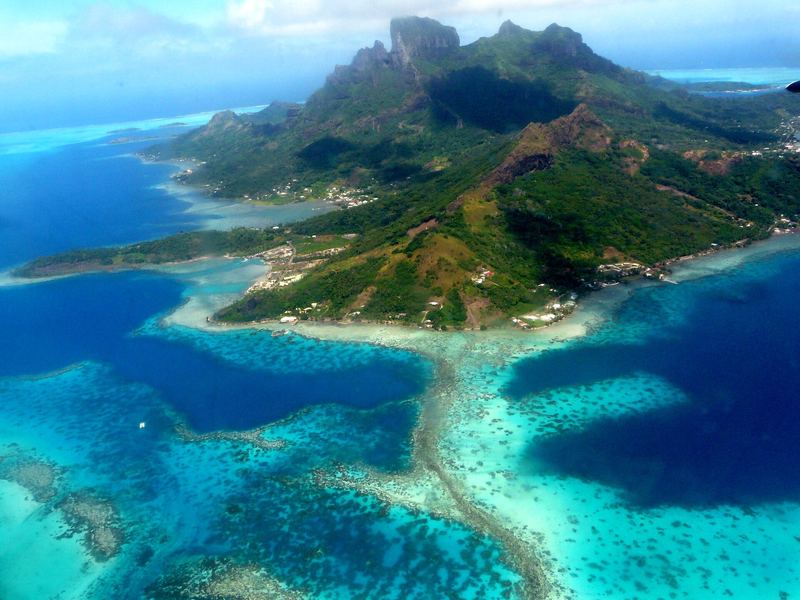
Bora Bora is about one extraordinary view. The lagoon, protected by an outer reef, shifts from pale aquamarine to deep sapphire around the motus. Mount Otemanu, the sheer basalt remnant of an old volcano, rises from the center and turns pink at sunset. It is compact and almost theatrical.
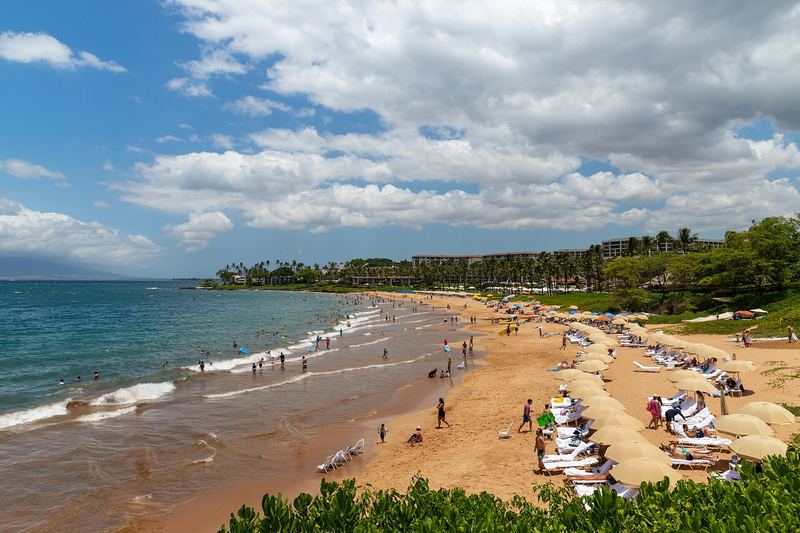
Maui is about range. The south shore around Wailea is sunny, dry and lined with golden beaches. West Maui around Kapalua and Kāʻanapali is greener and breezier, with views to Molokaʻi and Lānaʻi. Upcountry, on Haleakalā's slopes, you find ranches, lavender farms and cool air. East Maui and Hana feel wild and remote, with rainforest and waterfalls.
The water also differs. Bora Bora's lagoon is calm and glass-clear right outside your bungalow. Maui's ocean is more open, with good snorkeling on calm mornings but winter swells that can make north-facing beaches dangerous. Always check conditions and heed lifeguards.
Where You Stay
Bora Bora is built around overwater bungalows. Four Seasons Resort Bora Bora, on Motu Tehotu, has plunge-pool bungalows and Otemanu views. The St. Regis Bora Bora Resort has some of the largest overwater villas in the South Pacific, a private Lagoonarium and a kid-free pool. Conrad Bora Bora Nui sits around a sheltered cove on Motu To'opua. The InterContinental Thalasso has been closed for renovation, so check before you plan around it.
Maui has no overwater rooms. Its luxury is on land. Hotel Wailea is the kid-free choice, a 72-suite Relais & Châteaux retreat on a hillside above Wailea, known for its private Treehouse dinner. Four Seasons Resort Maui at Wailea sits right on Wailea Beach, with a kid-free infinity pool, an open-air spa and restaurants including Spago and Ferraro's. Montage Kapalua Bay offers one- to four-bedroom residences on a bluff between two bays.
If the overwater bungalow is the point, Bora Bora is your answer.
Things to Do Together
Bora Bora's best experiences revolve around the lagoon. Snorkel with blacktip reef sharks and stingrays in shallow water, choosing an operator that doesn't feed them. Picnic on a motu. Book a sunset cruise or a canoe breakfast to your bungalow. On land, take a 4x4 tour to WWII cannons and viewpoints, or splurge on a helicopter flight over the lagoon.
Maui gives you a longer list. Watch sunrise from the summit of Haleakalā wrapped in blankets. Reservations are required for sunrise entry, so book through the National Park Service as soon as your dates are set. Drive the Road to Hana, with its hundreds of curves, one-lane bridges, waterfalls and banana bread stands. Take a morning boat to Molokini Crater for snorkeling. Catch a sunset sail, go to a luau or tour Upcountry farms.
Couples who want variety lean Maui. Couples who want time alone with a lagoon lean Bora Bora.
Seasons and Whales
Bora Bora's drier season runs roughly May to October, with lower humidity and steady trade winds. June to August is peak. November to April is warmer and wetter, with short tropical showers and better value. It falls within the South Pacific cyclone season, though direct hits are uncommon. Humpback whales pass through French Polynesia from roughly July to October.
Maui is warm year round. December to April is humpback season, with peak sightings typically from January to March. It is also the busiest and priciest period. The sweet spots are April to May and September to October, with good weather, fewer crowds and better rates. June to August brings families, but the south shore ocean is usually calm.
That makes whale watching possible in both, at opposite times of year. A winter wedding points to Maui for the whales. A summer wedding suits Bora Bora's dry season.
Cost Compared
Neither is cheap at the top. All figures are approximate.
Bora Bora's overwater bungalows at the top resorts run from around $1,000 to several thousand dollars a night. Dining is expensive because most food is imported, so breakfast or half-board packages help. Add the interisland flight from Tahiti and any resort boat transfer.
Maui's top picks, Hotel Wailea and Four Seasons Resort Maui at Wailea, run well into four figures a night in winter. Prices ease in the shoulder months. You will also need a rental car, which you should book well ahead since Maui's fleet can sell out in peak season. On the other hand, eating out is easier, from poke and plate lunches to farm cafés in Makawao and Kula.
For most couples, Maui works out somewhat cheaper overall thanks to lower airfare, more mid-range options and restaurants outside the resort.
Trip Length and Travel Etiquette
For Bora Bora, plan at least five nights. Many couples spend seven to ten days in French Polynesia, combining Bora Bora with three or four nights on Moorea. Bring some CFP francs for small purchases in Vaitape and reef-safe sunscreen for the lagoon. Dengue circulates in French Polynesia, so if you're pregnant or hoping to be soon, check CDC travel health notices.
For Maui, five to seven nights covers Haleakalā, Hana, Molokini and plenty of pool time. With ten days, split between Wailea and Kapalua or add Lānaʻi. Hawaii restricts some sunscreen ingredients, so buy reef-safe.
Travel to Maui thoughtfully. West Maui has been rebuilding since the 2023 Lahaina wildfire. Visitors are welcome, so follow local guidance on which areas are open, avoid sightseeing in affected areas and spend generously with local businesses. On the Road to Hana, pull over to let locals pass and never trespass for a waterfall photo.