The Mood of Each Place
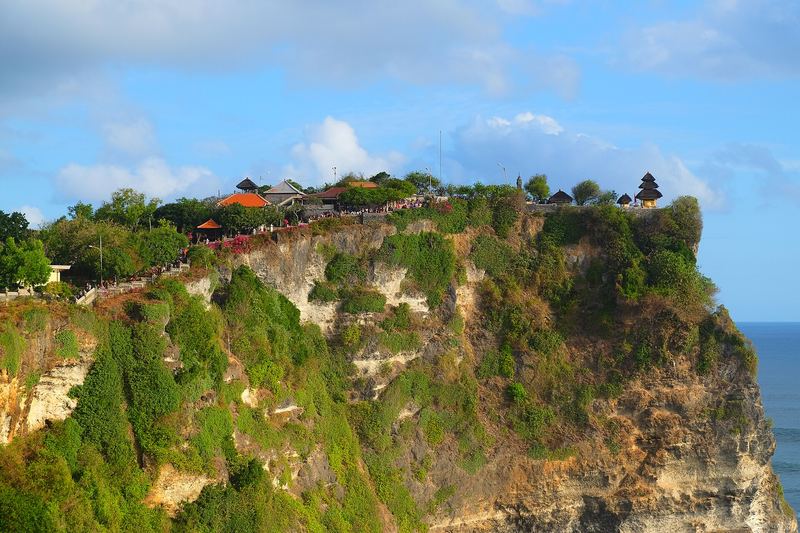
Uluwatu is all about the edge. The cliffs are tall and sheer, the water shifts from turquoise to deep blue and at sunset half the island seems to pause to watch. It is also busy in its own way, with stylish beach clubs, oceanview restaurants and traffic near the popular beaches at dusk. Uluwatu Temple, one of Bali's key sea temples, stands about 230 feet above the waves.
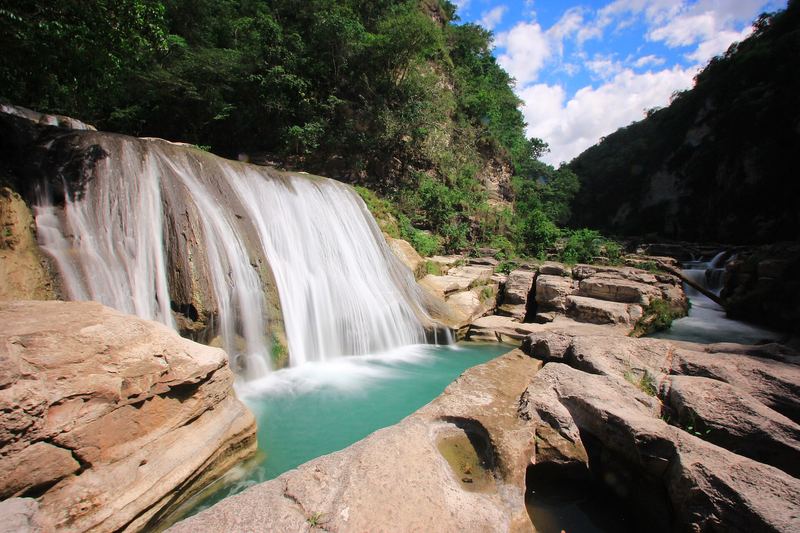
Sumba's romance is raw and elemental. Beaches often have barely a footprint on them. Roads wind past buffalo and horses rather than traffic jams. You might gallop along the sand at sunset, float in a natural lagoon such as Weekuri on the west coast or watch the stars from a villa deck with only the sound of the waves.
If you want the energy of Bali at your doorstep, Uluwatu delivers. If you want to feel genuinely away, Sumba is the stronger pick.
Luxury Stays Compared
Uluwatu has more range. Bulgari Resort Bali sits roughly 500 feet above the ocean, with private pool villas, an inclinator down to the beach and Il Ristorante. Alila Villas Uluwatu has contemporary pool villas with open-air pavilions, butler service and the Sunset Cabana suspended over the cliff. Top clifftop resorts run from several hundred to well over a thousand dollars a night. Smaller villas near Bingin cost roughly $150 to $400.
Sumba's most famous address is Nihi Sumba, on Nihiwatu Beach in the southwest. It has roughly 30 villas and estates, including a honeymoon collection with plunge pools and ocean views. Rates typically include meals and villas usually start well above a thousand dollars a night. Its Spa Safari, horse experiences and limited surf on Occy's Left make it a destination in itself. Beyond Nihi, the island has a handful of boutique eco-resorts and simpler guesthouses, mostly in the west near Tambolaka.
All prices are approximate.
What You Will Do
In Uluwatu, watch the Kecak fire dance on the cliffside at Uluwatu Temple at sunset. Spend lazy days at Padang Padang, Bingin or Suluban. Take a surf lesson on a gentler break, or watch experienced surfers ride the famous waves. Book a Balinese flower bath and couples massage. Drive north to Jimbaran for grilled seafood at candlelit tables on the sand.
On Sumba, visit a traditional clan village with a respectful guide who can explain Marapu traditions. Ride horses along an empty beach at sunset, or swim with them in the shallows. Learn about ikat weaving, a craft where a single textile can take months. Chase waterfalls in the green season. If you visit in February or March, you might see Pasola, the mounted spear-throwing ritual of western Sumba, with dates set by village elders.
Uluwatu fills easy days. Sumba fills memorable ones, with less choice.
Getting There and Getting Around
Both start with a flight from the US into Bali's Ngurah Rai International Airport (DPS), usually through Singapore, Tokyo, Seoul, Taipei or Hong Kong.
Uluwatu is typically 30 to 45 minutes from the airport, which makes it ideal for arriving after a long flight or relaxing before departure. Private drivers and ride-hailing apps work well. Plan outings for the morning, since roads near popular beaches clog around sunset.
Sumba adds a domestic flight of about an hour to Tambolaka (TMC) in West Sumba. Waingapu in the east also has an airport. From Tambolaka, the drive to Nihi Sumba takes around an hour and a half. It is wise to spend a night in Bali before connecting, since domestic schedules change. On the island, distances are significant and roads can be rough, so a private car and driver arranged by your hotel is the best way around. Plan at least four nights to make the journey worthwhile.
Food and Evenings
Uluwatu's food scene has grown alongside its surf culture. Beachfront cafes serve smoothie bowls and grilled fish. Clifftop restaurants and lively beach clubs fill the evenings. Resort dining is a highlight, from Italian technique with Balinese produce at Bulgari to the Warung at Alila, with its selection of sambals.
On Sumba, dining centers on your hotel, since restaurants outside the resorts are limited. At Nihi Sumba, meals focus on fresh seafood and produce from the resort's organic gardens, with dinner on Ombak's ocean deck, lunch at Nio Beach Club and a Japanese omakase at Kaboku on special nights. Out exploring, small warungs serve grilled fish, rice and sambal. Locally grown coffee is worth trying. Ask your hotel to set up a picnic on a deserted beach.
Uluwatu offers a new table every night. Sumba offers fewer, more personal evenings.
Seasons, Surf and Swimming
Both are best in the dry season. Uluwatu's runs roughly April to October, with sunny days, lower humidity and prime surf on its west-facing breaks. July, August and the Christmas holidays are busiest. May, June and September offer strong weather and fewer visitors. In the wet season, from about November to March, showers are heavy but there are still plenty of bright hours.
Sumba is drier than Bali, with a dry season from roughly May to November that brings golden savanna and the island's best surf. The rainy season, from about December to April, turns the hills green and fills the waterfalls, though some roads get harder and the sea rougher.
Neither is a calm-water swimming spot. Uluwatu's beaches often have strong waves and currents. Sumba's south coast surf is powerful. Swim only where your hotel says it is safe and use your villa pool for lazy swims. Malaria and dengue occur on Sumba, while dengue is present on Bali, so pack repellent.
Why Many Couples Do Both
Our Sumba guide calls the island a natural finale to a Bali honeymoon. The logic holds. Spend three or four nights in Ubud for culture, two or three in Uluwatu for cliffs and sunsets, then fly east to Sumba for four or five nights of seclusion. Return to Bali for a night before your international flight, since domestic delays happen.
If you can only choose one, let the budget and the length of your trip decide. Under ten days, or if you want variety at a range of prices, stay in Uluwatu. With more time and a splurge in mind, Sumba gives you a honeymoon very few of your friends will have had.