Two Ideas of Seclusion
In the Maldives, seclusion is built into the geography. Each resort occupies its own island, so you never share a beach with day-trippers or a public promenade. Villas are spacious and screened, many with private pools and service often revolves around a personal butler. Days settle into swims, snorkels, naps and long dinners.
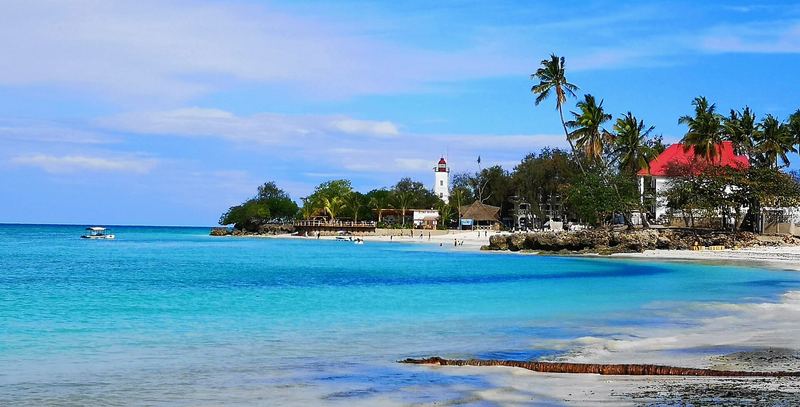
Zanzibar offers seclusion by choice. &Beyond Mnemba Island, off the northeast coast, comes closest to the Maldives model: a private island where only lodge guests may land, ringed by protected reef. Elsewhere on Unguja, beach hotels sit along coasts that you share with fishermen, seaweed farmers and the occasional beach vendor.
If the two of you want a week without seeing anyone else, the Maldives does it effortlessly. If you enjoy a little life around you, Zanzibar is more rewarding.
In the Water
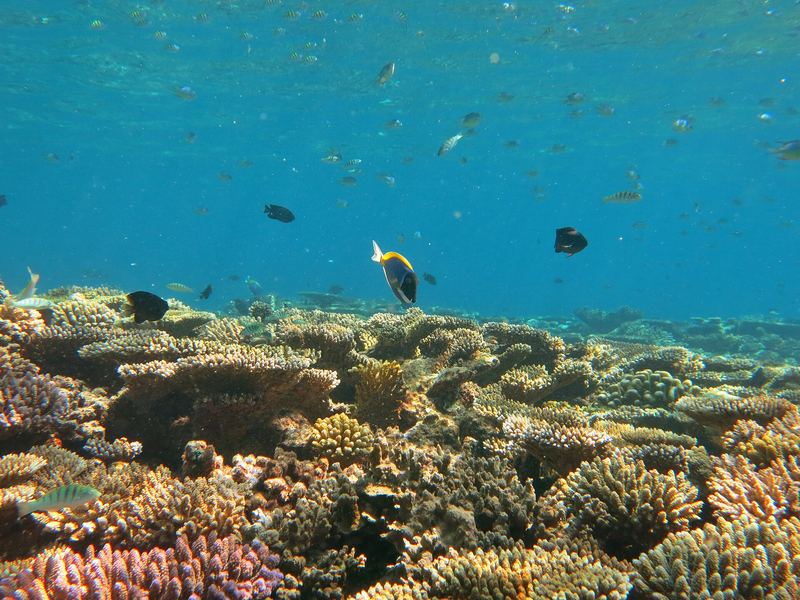
The Maldives is one of the best snorkeling and diving destinations on earth. House reefs teem with turtles, reef sharks and rays. Certain atolls host famous encounters: feeding manta rays at Hanifaru Bay in Baa Atoll, roughly May to November and year-round whale sharks in South Ari. You can dine beneath the sea at several resorts.
Zanzibar's best snorkeling is around Mnemba, a marine conservation area where turtles and dolphins are often seen. The north coast around Nungwi and Kendwa is swimmable at most tides. The east coast has wide lagoons that drain dramatically at low tide, which is beautiful to walk but frustrating if you want a swim at lunch.
For couples who live in the water, the Maldives is the stronger choice. Zanzibar's sea is lovely, just less central to the day.
When to Book
The Maldives is warm all year. December to April is the dry northeast monsoon, with calm seas and the highest rates; January to April is the most reliable stretch. May and October to November are shoulder months. June to September is wetter and windier, usually in short heavy bursts, with the lowest prices and manta season in Baa.
Zanzibar is driest from roughly June to October, matching peak safari season on the mainland. December to February is hot, humid and mostly sunny, which pairs well with Serengeti calving. The long rains from about March to May close some resorts.
That makes the two complementary. A July or August honeymoon favors Zanzibar, especially with a safari. A February or March trip favors the Maldives, though Zanzibar is also good then.
Resorts at a Glance
The Maldives has the widest range of overwater villas in the world. In Baa Atoll, Soneva Fushi offers jungle villas, Four Seasons Landaa Giraavaru polished service and Anantara Kihavah underwater dining. Gili Lankanfushi near Malé has rustic overwater villas with rooftop star beds. Hurawalhi in Lhaviyani is kid-free, with a glass-walled undersea restaurant. JOALI in Raa and Six Senses Laamu sit at the high end, while Ayada in the far south offers big pool villas for less.
Zanzibar is built around beachfront stays rather than water villas. &Beyond Mnemba Island has beachfront bandas a few steps from the reef. Boutique beach hotels and larger resorts on Unguja cover a wide range of prices, with the north coast best for swimming and sunsets. Stone Town's restored merchant houses suit a night or two of culture.
Budgeting for Each
All figures are approximate and depend heavily on season.
The Maldives is expensive and its extras add up. Luxury resorts often start above $1,500 a night in high season. Service charges, a tourism tax and a daily green tax can add roughly a quarter or more. Seaplane transfers are priced per person and can run from several hundred to over a thousand dollars round trip. With no restaurant to walk to, a meal plan often makes sense.
Zanzibar costs far less on the ground. Boutique beach hotels start at a few hundred dollars a night, street food in Stone Town is cheap and dhow cruises and spice tours are modest. Mnemba Island is the exception, priced as a premium all-inclusive private island.
For couples paying for a safari as well, Zanzibar keeps the total within reach.
Getting There From the US
Neither has nonstop flights from the US. For the Maldives, most couples connect through Doha, Dubai or Istanbul into Velana International Airport (MLE) near Malé. Total travel time is often 20 hours or more. Resorts in North and South Malé atolls are a speedboat ride away. More distant atolls need a seaplane of roughly 30 to 45 minutes, which flies only in daylight, so late arrivals may sleep near Malé.
Zanzibar (ZNZ) is served by Qatar Airways, Turkish Airlines, Ethiopian Airlines and Kenya Airways. If you are on safari, light aircraft fly direct from Serengeti airstrips and Arusha, so bush to beach takes one day. Northern beaches are an hour to an hour and a half by road from the airport.
Both work well with a Doha or Dubai stopover to break the long journey.
Local Customs
Both are Muslim societies and both handle visitors differently from locals.
In the Maldives, resort islands are relaxed and international, so you dress and act as at any beach resort. On inhabited local islands, cover shoulders and knees and swim in designated tourist beach areas. Alcohol is served only at resorts and licensed vessels and may not be brought into the country.
Zanzibar is nearly all Muslim. Swimwear is fine at resorts and on the beach, but cover shoulders and knees in Stone Town, villages and markets. Alcohol is mainly served in hotels and tourist restaurants. During Ramadan, avoid eating and drinking in public in daylight.
Zanzibar also asks for some practical care: ask your doctor about malaria prevention and if you're pregnant or hoping to be soon, check CDC travel health notices for Tanzania.