Why Honeymoon in the Maasai Mara
Few places give you this much wildlife per hour. The reserve has all of the Big Five, including a small, shy population of black rhino. Its lions were made famous by the BBC's Big Cat Diary, filmed around Musiara Marsh and the Mara River. Cheetahs hunt in the open, leopards drape themselves in riverine fig trees and more than 500 bird species keep the quiet hours busy.
What makes it a honeymoon rather than just a wildlife trip is the camp culture. Conservancy camps often have under a dozen tents, guides who adapt the day to the two of you and staff who quietly set up a table for two on a ridge at sunset. You can be out from first light to dusk or spend the midday hours by a plunge pool. Nobody judges either choice.
When to Go
The migration usually arrives from the Serengeti around July and lingers until about October, when the herds turn south again. Mara River crossings, the dramatic part, are most likely from August through early October, but rain controls the schedule. Some years they come early; some years the herds hesitate on the bank for days.
January and February are excellent and underrated. The grass is short after the short rains, resident predators are easy to find and many camps charge less than in August. June and November are good shoulder months with fewer vehicles. April and May are the long rains: tracks get muddy, a few camps close and the prices fall the furthest. December holidays fill quickly, so book early if you are marrying in late autumn.
Where to Stay
Decide first between the national reserve and a conservancy. Inside the reserve you are closer to the river crossings, but vehicles can bunch around sightings and night drives are not allowed. In conservancies such as Mara North, Olare Motorogi and Naboisho, camps cap the number of beds, so sightings stay quiet and you can walk, drive at night and go off road.
A few long-established names suit couples. Angama Mara sits high on the Oloololo Escarpment above the Mara Triangle, with glass-fronted tents and a view that makes breakfast run long. Mara Plains Camp in Olare Motorogi is small and intimate, with a strong focus on photography. Governors' Camp, on the river near Musiara Marsh, is the classic inside-the-reserve option. Cottar's 1920s Safari Camp, near the Tanzanian border, leans into old-style canvas and brass. Many couples split their nights between a conservancy and a camp nearer the river.
Romantic Things to Do
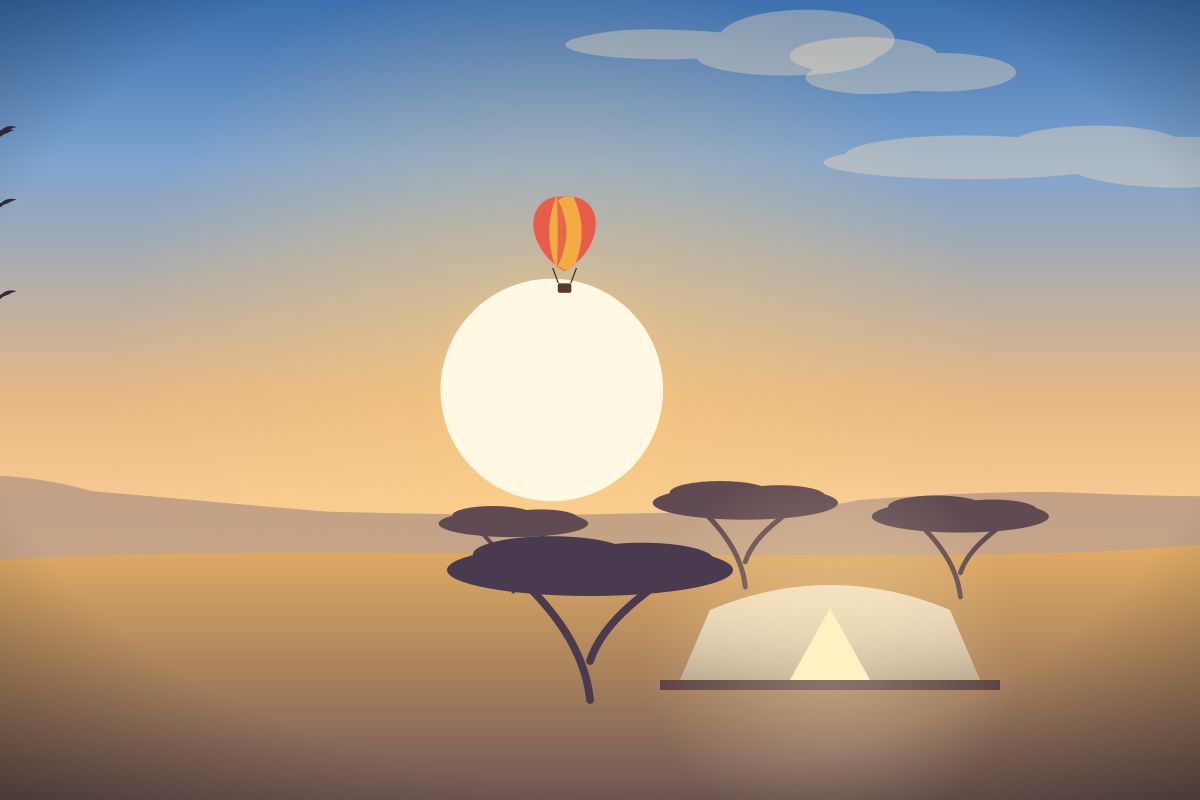
Take a balloon flight at dawn. You lift off in the dark, drift low over the herds as the sun comes up and land for a Champagne breakfast laid out in the grass. Most camps can book one for you; reserve ahead in peak months.
In a conservancy, ask for a night drive with a red spotlight to find genets, bushbabies and hunting lions. A walking safari with a Maasai guide changes your sense of scale entirely: you notice tracks, dung, medicinal plants and how quiet the place is on foot. Spend a full day out with a picnic hamper during migration season to wait for a crossing. Then ask the camp for a private dinner, whether on your deck, by a fire in the bush or under a single acacia lit with lanterns. A Maasai village visit arranged through your conservancy is worth an afternoon too.
Getting There and Around
Almost every couple flies in. Safarilink and AirKenya run scheduled light aircraft from Nairobi's Wilson Airport (WIL) to Mara airstrips including Keekorok, Ol Kiombo, Musiara, Mara North and Olare Orok, with flights taking about 45 to 75 minutes depending on stops. Your guide meets the plane. The drive to camp often turns into the first game drive.
Bags are limited to around 15 kg per person in soft duffels, so leave the roller cases at a Nairobi hotel. Driving from Nairobi takes five to six hours and saves money, but the last stretch is rough. The State Department also warns about vehicle rollovers in parks. Within the Mara you move in an open or pop-top vehicle with your guide. Fly-in packages usually include game drives, so check whether yours is shared or private before booking.
Food and Drink
Camp food is far better than you might expect from a tent in the bush. Kitchens bake bread daily, grow herbs and salads where water allows and lean on Kenyan beef, lamb and fresh fruit from the highlands. Expect a full cooked breakfast or a hamper on the vehicle, a long lunch and a three-course dinner, often served at a communal table unless you ask for a private one.
Try nyama choma (grilled meat) and ugali at a boma dinner. Kenyan coffee and tea are excellent; the highland tea is what you will be woken with at 5:30 a.m. Sundowners are a ritual: a gin and tonic or a cold Tusker on a hill as the light goes gold. Most high-end camps include house wine and spirits. Tell them about dietary needs when you book, since supplies arrive by plane or truck.
Honeymoon Tips
- Stay at least three nights per camp. The first drive gets you oriented; the best sightings tend to come later.
- Ask whether reserve fees are included. Daily fees for foreign visitors rose sharply in 2025 and can add hundreds of dollars per couple per day in high season.
- Pack layers. Dawn drives on the plateau can be near 50°F even when afternoons reach the 80s.
- Mention your honeymoon when booking. Camps often add a private dinner or a cake without fuss.
- Buy medical evacuation insurance and recheck the Kenya advisory a few weeks before you fly.
- Bring a camera with a real zoom lens, or at least binoculars each. Phones struggle beyond 50 yards.