Why Canada for Your Honeymoon
Canada's great strength is variety within easy reach. In one trip you can hike to a mountain teahouse, kayak among whales and soak in a hot spring, all without long-haul flights or major jet lag. For US couples, it is a short hop with familiar comforts, yet the landscapes and culture feel genuinely different. The exchange rate often stretches your budget further.
It also excels at a particular kind of romance: active days and cozy nights. You will spend mornings out in big nature, wind in your hair, then retreat to a fireside room, a soaking tub, a sauna or a fondue pot. Canadians do comfort brilliantly, from grand railway hotels to intimate inns. Their friendliness is not a cliché. Add the country's commitment to its national parks and wild places and you get a honeymoon that feels both adventurous and restorative.
Best Time to Visit
Canada is a four-season country. The right time depends on where you go and what you want.
- Summer (late June to early September) is prime time for the Rockies and Newfoundland: turquoise lakes, open hiking trails, whale-watching and long evenings. It is also the busiest and most expensive season everywhere.
- September is a sweet spot, with golden larches in the Rockies, quieter trails, berry season in Newfoundland and generally pleasant weather on Vancouver Island.
- Winter (December to March) suits a snowy Rockies honeymoon with skating and skiing, or a storm-watching escape on Vancouver Island's west coast, where November to February brings dramatic Pacific swells.
- Spring (April to June) brings iceberg season in Newfoundland and gray whale migration off Vancouver Island, while mountain lakes may still be frozen into June.
Note that the Fogo Island Inn typically operates from about April to November.
Top Honeymoon Destinations
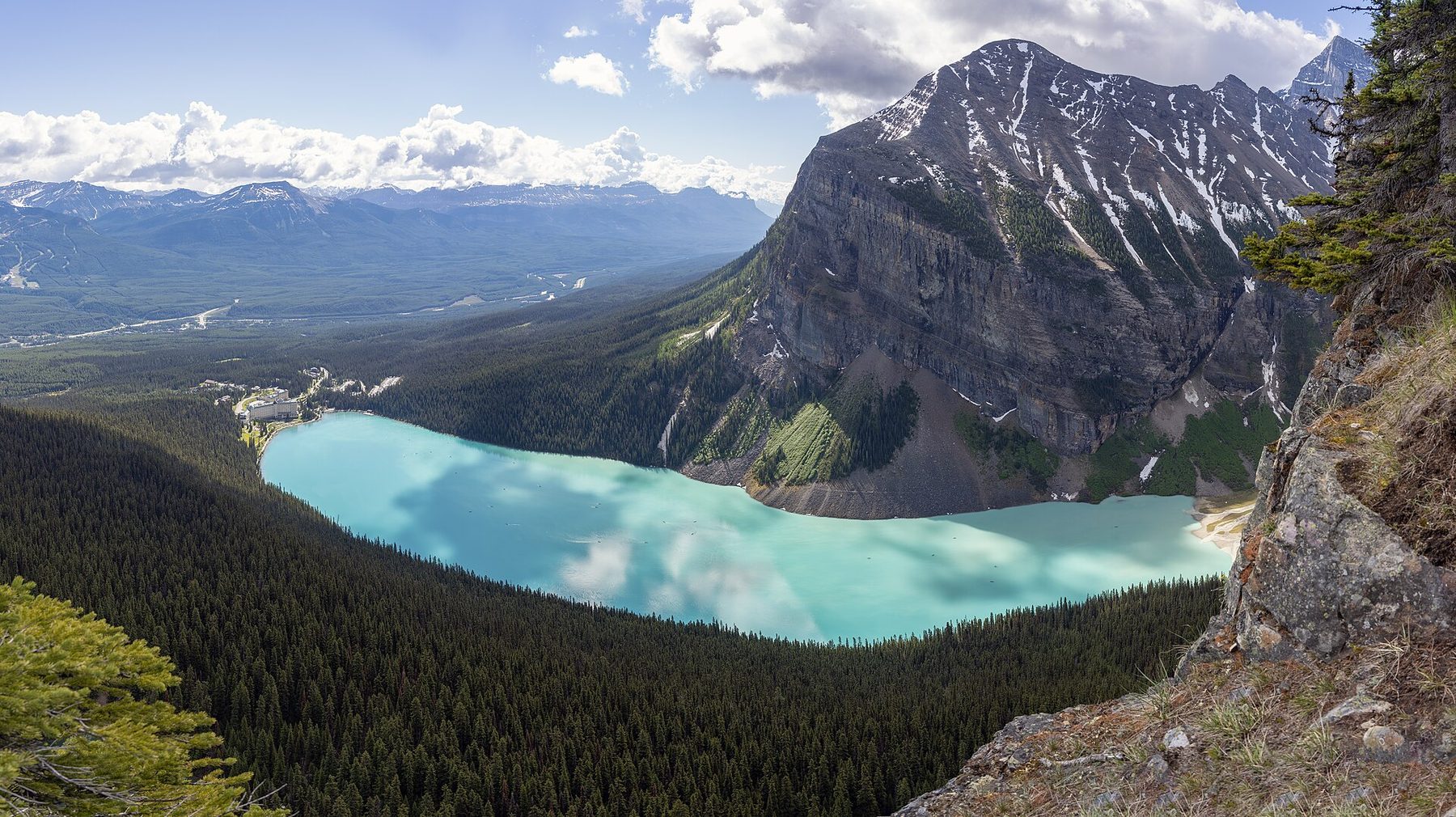
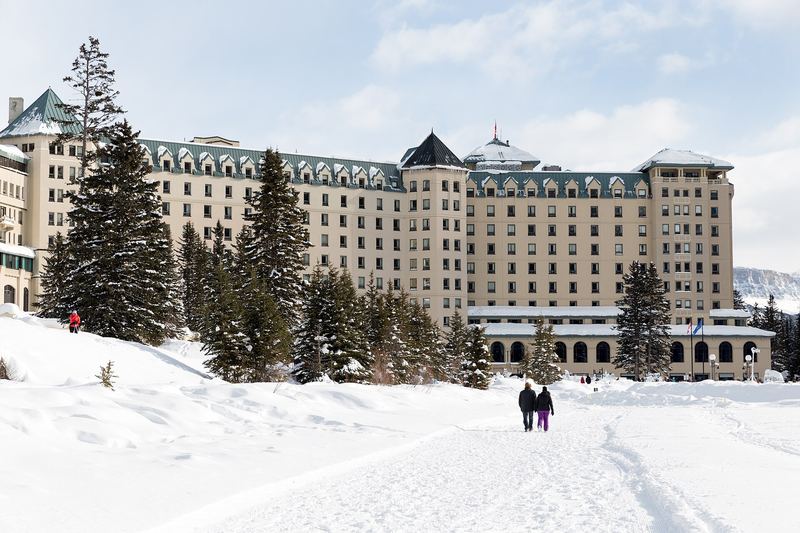
Banff & Lake Louise: Canada's most famous mountain scenery, in Banff National Park, Alberta. The Fairmont Chateau Lake Louise sits on the shore facing Victoria Glacier, with lakeview rooms, fondue dinners, canoes in summer, skating in winter and BASIN, a new kid-free thermal spa. Pair it with nights in lively Banff town, hot springs and the Icefields Parkway.
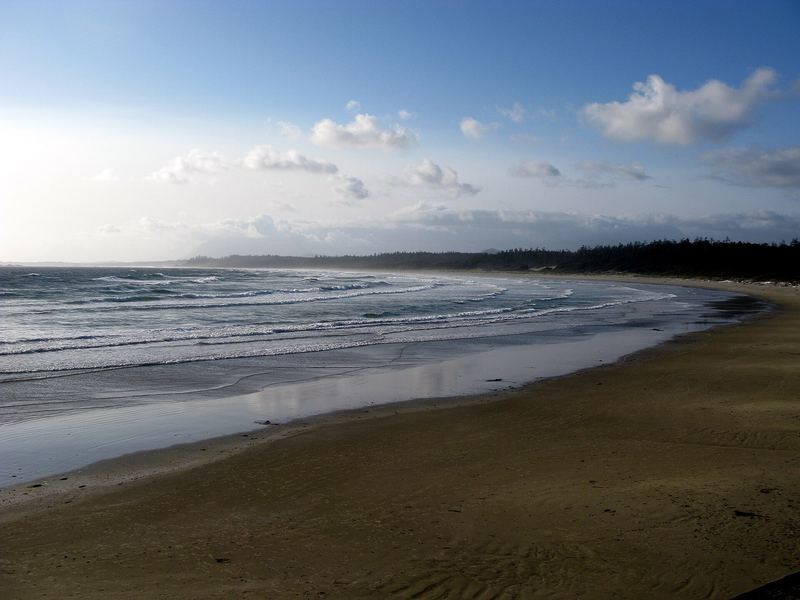
Vancouver Island: British Columbia's big Pacific island offers two moods. Near Tofino, the Wickaninnish Inn, a Relais & Châteaux member, gives every room an ocean view, a fireplace and a soaking tub, which is exactly what you want for storm watching. On the gentler east coast, Free Spirit Spheres lets you sleep in a hand-crafted orb suspended in the rainforest.
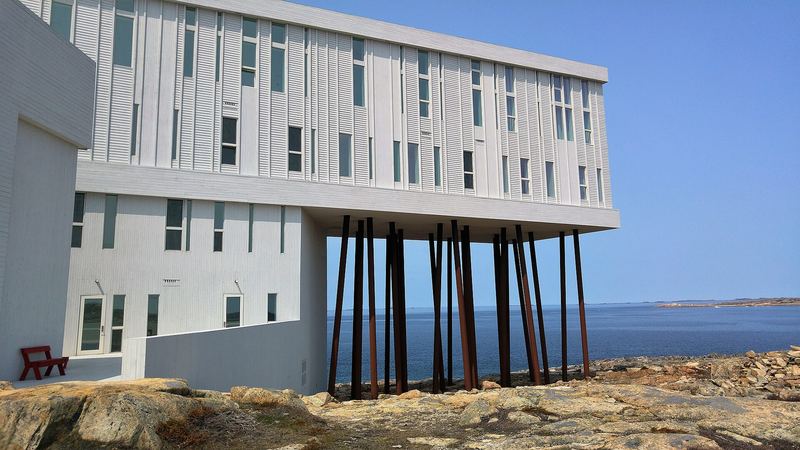
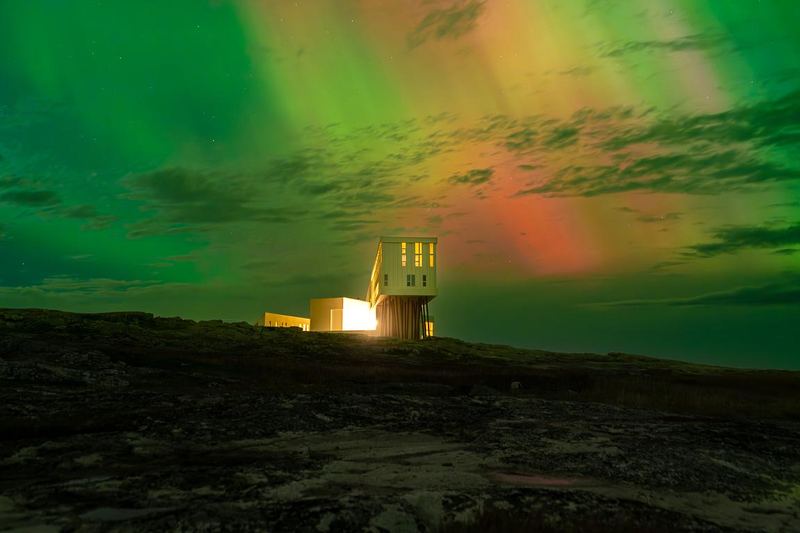
Newfoundland: Canada's far-east island is all icebergs, whales, puffins and outport villages. The Fogo Island Inn, with 29 ocean-view rooms, full-board dining and Three Michelin Keys, is one of the world's most celebrated hotels and the centerpiece of an original honeymoon.
More places we love: Jasper is the quieter, wilder half of the Rockies, with elk on the lawns and some of the darkest night skies in the country. Whistler pairs skiing or summer lake days with a Nordic spa in the forest, two hours from Vancouver. The Okanagan Valley is warm lake-and-vineyard country in summer. Quebec City brings a walled French old town and a winter carnival within a short flight of the East Coast. Niagara-on-the-Lake offers icewine, theater and historic inns twenty minutes from the falls.
How Long to Stay & Sample Itinerary
Canada is enormous; Vancouver to St. John's is a longer flight than New York to Los Angeles. For most honeymoons, focus on one or two regions rather than trying to cross the country.
A 10-night Rockies and Pacific honeymoon works beautifully:
- Nights 1 to 2: Fly into Calgary and drive to Banff for hot springs, the gondola and dinner in town.
- Nights 3 to 5: Move to the Fairmont Chateau Lake Louise for sunrise canoeing, the Lake Agnes Tea House, Moraine Lake and the Icefields Parkway.
- Night 6: Fly from Calgary to Vancouver, then ferry to Vancouver Island for a night at Free Spirit Spheres.
- Nights 7 to 10: Drive across the island to Tofino and settle into the Wickaninnish Inn for surf, rainforest trails, whales and Hot Springs Cove.
For Newfoundland, plan a separate trip of about a week: four or five nights on Fogo Island plus two or three in St. John's.
Budget & Costs
Costs vary widely by region and season, so treat these as approximate ranges. Luxury hotels such as the Fairmont Chateau Lake Louise and the Wickaninnish Inn typically run from several hundred to well over a thousand US dollars per night in peak summer, with lower rates in shoulder seasons and winter. The Fogo Island Inn sits at the top of the market, but its full-board rates include meals, non-alcoholic drinks, gratuities and many activities. Free Spirit Spheres is a budget-friendly highlight, typically in the mid-hundreds of Canadian dollars per night.
Factor in rental cars, ferries, park passes and dining, which can be expensive in resort areas. A nice dinner for two with wine often runs well over $100. Remember that Canadian prices are usually quoted before sales taxes, which are added at the register. Tipping norms are similar to the US. A favorable exchange rate can soften the total.
Practical Tips for US Travelers
- Documents: Bring your passports and make sure the names on your flight tickets match them exactly.
- Money: Canada uses the Canadian dollar. Credit cards are accepted almost everywhere. Contactless payment is standard.
- Flights: Calgary (YYC) and Vancouver (YVR) have extensive nonstop US service. Newfoundland usually requires a connection via Toronto, Montreal or Halifax.
- Driving: US licenses are valid for visitors. Distances and speed limits are in kilometers. Gas is sold by the liter. Watch for wildlife, especially at dawn and dusk.
- Parks: A Parks Canada pass is required to stop in national parks such as Banff, Jasper and Pacific Rim. Buy it online in advance.
- Phones: Many US plans include Canada, but check coverage, as rural and mountain areas can have patchy signal.
- Time zones: Canada spans six, including Newfoundland's unusual half-hour offset.
- Bugs: Blackflies and mosquitoes can be fierce in June and July in Newfoundland and the backcountry, so pack repellent.
Culture & Etiquette
Canadians are famously polite, so returning the courtesy goes a long way. Say please and thank you, hold doors, line up patiently and keep your voice down in quiet places. Tipping is customary, generally similar to US norms for restaurants, bars, taxis and guides.
Canada is officially bilingual, with English and French, though you will mostly hear English in the destinations we feature. Canadians also take their distinct identity seriously, so avoid assuming they are just like Americans; asking about local life is a great conversation starter.
You will often hear land acknowledgments recognizing the Indigenous peoples on whose traditional territories you are traveling. Seek out Indigenous-led tours, galleries and restaurants where you can; they add depth to any trip.
In national parks, respect wildlife and the land: stay on trails, never feed animals, carry bear spray in the Rockies and pack out what you bring in.
Quick tips
- A Parks Canada pass is required to stop in Banff National Park.
- Tofino's storm-watching season (roughly November–March) is surprisingly romantic.
- Summer is short in the mountains; book July–August stays well in advance.