Honeymoon in Italy

Puglia

Whitewashed towns, olive groves and long lunches by the Adriatic

1 hand-picked staysBest: May–SepBari Karol Wojtyła
Original illustration
The short answer

Puglia is Italy at a slower pace than Tuscany or the Amalfi Coast, often for less money. Couples stay in masserie, fortified farmhouses turned country hotels among olive groves. Days go to swims, whitewashed hill towns and lunches that run past three. Late May, June and September are best; August is crowded and pricey. Plan five to seven nights with a car and one or two bases. The famous luxury masserie cost what top resorts do anywhere. Don't miss Ostuni in late afternoon light.

Best for
  • Couples who travel to eat well
  • Pool days mixed with town wandering
  • A countryside stay near the sea
Maybe skip it if
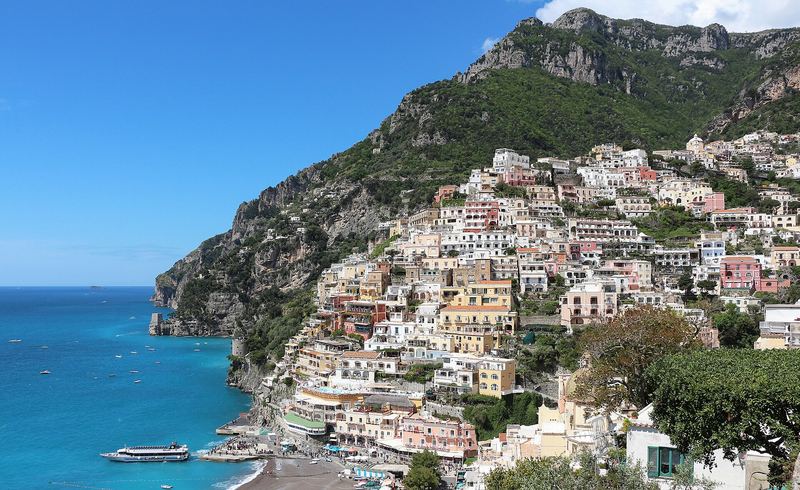
  • You want Amalfi-style cliffside drama
  • You don't want to drive

Puglia is the heel of Italy's boot, a long, flat-ish peninsula wrapped by the Adriatic and Ionian seas. It has quietly become one of the country's most sought-after honeymoon regions. Couples come for the masserie, fortified farmhouses among ancient olive trees that have been turned into relaxed country hotels with pools, gardens and kitchens fed by their own land.

The pace is slower than in Tuscany or on the Amalfi Coast. Days are built around a swim, a drive to a whitewashed hill town and a lunch that runs past three o'clock. The scenery is less dramatic than the cliffs farther west, but the light, the stone and the sea have their own pull. Prices are also often gentler than in better-known regions.

Puglia works best as a road trip with one or two bases. It rewards couples who want to eat very well, read by a pool and explore small towns without an itinerary packed with landmarks.

Best time to visit Puglia

Peak months: May, June, September

BestGood / shoulderLow season (rain, heat, storms or closures)
Best months
May to June and September
Shoulder
March to April, July to August and October
Stays from
about $900 a night for two
Getting there
Bari Karol Wojtyła (BRI), 45 to 60 minutes by car to the Itria Valley
Country
Italy
From the US
Nonstop to Rome (FCO), Milan (MXP) or Venice (VCE) from major US hubs; about 8–10 hours from the East Coast.
Don’t miss

Puglia at a glance

  • Stay in a restored fortified masseria
  • Dinner in Polignano's sea cave restaurant
  • Evening stroll through white Ostuni
  • Baroque churches of Lecce at dusk
  • Swim in a Salento rock cove

Best months: May, June, September

Why Choose Puglia

Puglia offers a version of Italy that still feels lived-in. The towns of the Itria Valley, from Locorotondo to Cisternino, are working places with Sunday markets and elderly men playing cards in the piazza. Alberobello's cone-roofed trulli houses are a UNESCO World Heritage site and look like something from a storybook.

The coast is long and varied. North of Brindisi it is mostly rocky with small coves and fishing harbors. In the Salento, the southern tip, beaches turn sandy and the water gets very clear. The masseria hotels add space and privacy that crowded coastal towns cannot match. Together they make a honeymoon that feels both romantic and grounded.

When to Go

Late May, June and September are the best months. The sea is warm, the countryside is green or golden and the roads are clear. Early October can still be warm enough for swimming and brings olive harvest preparations.

July is hot but lovely if your hotel has a pool. August is the month Italians flood south for their own beach holidays, so prices peak and popular beaches fill up, especially around the mid-August Ferragosto holiday. April is pleasant for touring towns, though the water is cold. Many masserie and beach clubs close from November to March. Winter is mild but gray and quiet.

Where to Stay

Most honeymooners choose a masseria. These range from simple family farms with a few rooms to large resorts. Borgo Egnazia near Savelletri is the best known, a sprawling resort built in local stone with a big spa and its own golf course. Masseria San Domenico, close by, offers a classic fortified farm with a seawater pool. Masseria Torre Maizza, a Rocco Forte hotel, is a smaller, polished option among olive trees near the coast.

For town life, consider a few nights in Ostuni, Monopoli or Polignano a Mare, where you can walk to dinner. Lecce, farther south, has boutique hotels in old palazzi and a strong evening scene. Many couples split the trip: a few nights in the countryside near the Itria Valley and a few by the sea or in Lecce.

Romantic Things to Do

Book dinner at Grotta Palazzese in Polignano a Mare, a restaurant set inside a sea cave above the Adriatic. It is pricey and popular, so reserve well ahead. Earlier in the day, swim at Lama Monachile, the pebbly cove framed by the town's cliffs.

Wander Ostuni, the white city, in the late afternoon as its walls glow. Visit Alberobello early before the tour buses arrive, then drive to Locorotondo for dinner on its circular old town walls. In Lecce, walk the soft golden stone streets after dark when the baroque facades are lit.

Hire a boat from Monopoli or along the Salento coast to explore grottoes and coves. Make a day trip to Matera, just across the border in Basilicata, where ancient cave dwellings have become hotels and restaurants.

Getting There and Around

Bari and Brindisi are the main airports. Seasonal nonstops from the US to Bari have been added in recent summers, so check current schedules. Otherwise connect through Rome, Milan or a European hub. High-speed trains from Rome reach Bari in about four hours, which works well if you are coming from elsewhere in Italy.

Rent a car. Puglia's best places are spread out and public transport between masserie, beaches and small towns is limited. Roads are good and mostly flat, but historic centers are closed to traffic and enforced by cameras, so park at the edge and walk in. Allow about an hour and a half to drive from the Itria Valley to Lecce and another hour to reach the tip of the Salento.

Food and Drink

Puglia is one of Italy's great food regions. Orecchiette, the little ear-shaped pasta, comes with turnip greens, anchovies and chili. Burrata, a pouch of mozzarella filled with cream, originated in this region and tastes best here. Focaccia barese, topped with tomatoes and olives, makes the ideal beach lunch.

In Cisternino and other Itria Valley towns, look for butcher shops that grill meat to order in the evening, especially bombette, small rolls of pork stuffed with cheese. Raw seafood, called crudo, is a coastal specialty; sea urchins are eaten fresh at harbor stalls. Wines are bold and good value. Try Primitivo di Manduria and Negroamaro reds, plus the crisp rosés made from the same grapes.

Honeymoon Tips

Choose your masseria carefully. Some are remote and quiet, others are large resorts with weddings on weekends in summer. Ask whether events are scheduled during your stay.

Plan for a car and a relaxed pace. Mapping apps underestimate the time it takes to find parking in old towns. Lunch runs late and many restaurants do not open for dinner before 8 p.m.

Beach clubs, called lidi, rent loungers and umbrellas by the day. Book ahead in August. Free public beaches are also plentiful but can be crowded. Bring cash for small towns, grills and local markets. Finally, leave a free day in your schedule. Puglia's charm often appears when you stop planning and follow a sign to a village you have never heard of.

Plan the rest

Book the details for Puglia

Partners we use for flights, transfers, connectivity and cover.

Experiences & tours

Sunset cruises, snorkel trips, cooking classes and private guides. Most offer free cancellation.

Private airport transfers

A private driver waiting at arrivals with your name on a sign. No taxi lines after a long flight.

Stay connected (eSIM)

Install a travel eSIM before you fly so your phone works the moment you land, with no roaming bill.

Travel insurance

Compare trip-cancellation and travel-medical plans built for US travelers.

Flights

Search flexible fares and clever routings to your honeymoon gateway.

Trains, ferries & buses

Book trains, ferries and buses between towns and islands.

Flight delay compensation

Flight delayed or canceled to or from Europe? You may be owed compensation.

FAQ

Puglia honeymoon FAQ

What is a masseria?

A masseria is a traditional fortified farmhouse, often surrounded by olive groves, built centuries ago to protect farmers and their harvest. Many have been restored into hotels with pools, gardens and restaurants serving produce from the property. They range from simple family-run farms to large luxury resorts.

Do we need a car in Puglia?

Yes, for most honeymoons. Trains connect the larger towns, but masserie, beaches and small villages are spread out and poorly served by buses. Driving is easy outside the towns. Park outside historic centers that restrict traffic and walk in to avoid fines.

How many days should we spend in Puglia?

Five to seven nights is ideal. Split it between a masseria in the Itria Valley area and a few nights by the sea or in Lecce. That allows time for Alberobello, Ostuni, Polignano and a beach day without feeling rushed. Add a night in Matera if you want something different.

Are the beaches in Puglia sandy?

It varies. Much of the coast north of Brindisi is rocky with small coves and swimming ladders. The Salento peninsula in the south has longer sandy beaches and clear turquoise water, especially on the Ionian side. Beach clubs along both coasts rent loungers and umbrellas.

Is Puglia less expensive than other Italian regions?

It often is, especially for meals and mid-range stays. Food and wine tend to cost noticeably less than on the Amalfi Coast or in Tuscany. The most famous luxury masserie are priced like top resorts anywhere. August rates climb sharply across the region.

Honeymoon Huts is reader-supported. When you book through links on this page we may earn a commission, at no extra cost to you. Our picks are editorially independent. How we earn money.

Nearby

Honeymoon spots near Puglia

Same mood, elsewhere

If you love Puglia

More in Mediterranean