Rainforest and Volcano vs Reef and Ruins
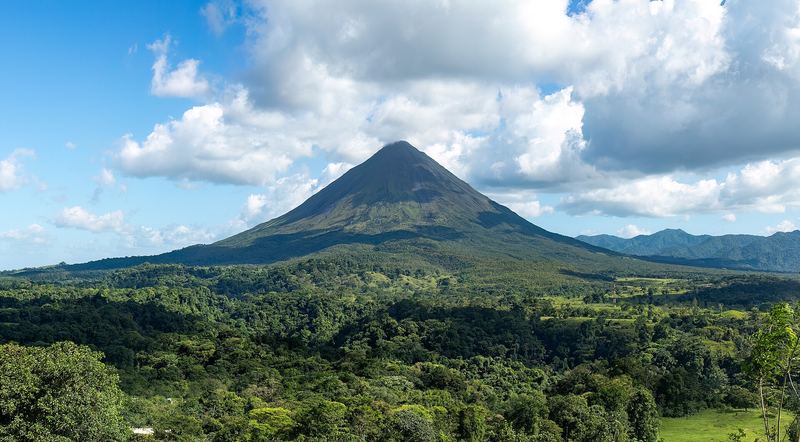
Costa Rica's interior is its showpiece. The cone of Arenal Volcano rises above rainforest, waterfalls and naturally heated hot springs. Hanging bridges cross the canopy, night walks reveal frogs and sleeping birds and the country's extensive parks and reserves mean wildlife turns up almost everywhere. The adventures are many: zip-lines, canyoning, rafting and the hike to La Fortuna Waterfall.
Belize's interior is quieter and more archaeological. In the Cayo District, Maya cities like Xunantunich and Caracol rise above the rainforest. The ATM cave, with ancient artifacts deep inside, is one of the most extraordinary experiences in Central America, done strictly with a guide. The Mountain Pine Ridge has waterfalls and granite pools and stays cooler than the coast. About 37 percent of Belize's land is protected.
If volcanoes, hot springs and abundant wildlife are the draw, Costa Rica is the clear pick. If ruins and caves excite you more, Belize offers something Costa Rica can't.
The Beach Half
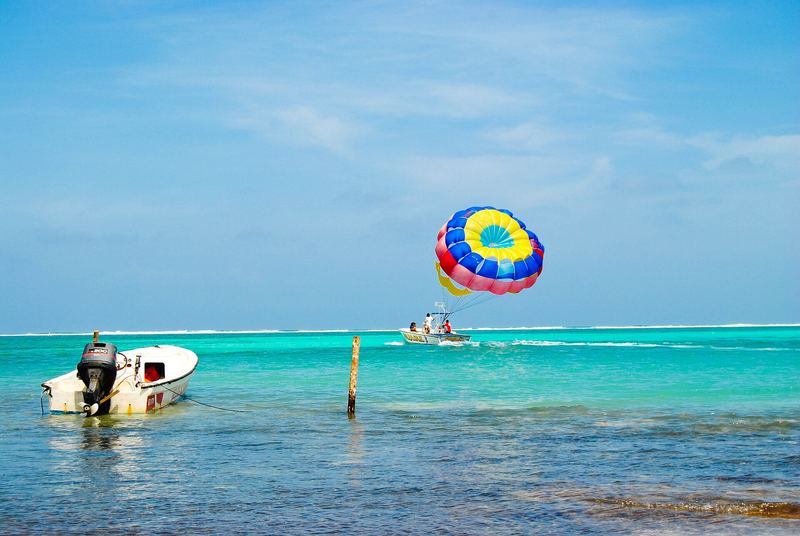
Belize's beach half is all about the reef. Ambergris Caye, the country's largest island, runs parallel to the northern barrier reef, with excellent snorkeling at Hol Chan Marine Reserve and Shark Ray Alley minutes away. Experienced divers can take a full-day trip to the Great Blue Hole. Farther south, South Water Caye sits right on the reef and Placencia has a long, relaxed peninsula of sand. The water is calm Caribbean turquoise.
Costa Rica's beach half faces the Pacific. In Guanacaste, the dry northwest, the Papagayo Peninsula is the luxury enclave, with sunset catamarans, surf lessons in Tamarindo and horseback rides. Santa Teresa is a laid-back surf and yoga town. Manuel Antonio pairs beaches with rainforest and monkeys. Sunsets are the big romantic moment, but many Pacific beaches have strong rip currents and few lifeguards, so swim where your hotel says it's safe. For snorkeling and calm water, Belize wins. For golden sand, surf and sunsets, Costa Rica does.
Where You Will Stay
Costa Rica has more high-end variety. At Arenal, Nayara Tented Camp has stilted safari-style tents with hot-spring plunge pools and an on-site sloth sanctuary, while the kid-free Nayara Springs hides villas in gardens with breakfast served in your villa. Four Seasons Resort Costa Rica at Peninsula Papagayo is a Forbes Five-Star resort between two beaches. In Manuel Antonio, Arenas del Mar runs from the canopy down to Playitas Beach, Gaia Hotel & Reserve is small and grown-up and Sí Como No is the value pick. Lapa Rios Lodge on the Osa Peninsula is the country's most famous eco lodge. Nantipa sits on the sand in Santa Teresa.
Belize's stays are smaller and more personal. Cayo Espanto is a private island with seven villas, each with its own dock. The Blancaneaux Lodge, Francis Ford Coppola's retreat in the Mountain Pine Ridge, has thatched cabañas above Privassion Creek. Turtle Inn, also Coppola's, has thatched villas on the sand in Placencia. Pelican Beach Resort is a simple, solar-powered cottage resort on South Water Caye.
Getting There and Around
Belize is the quicker trip. Nonstops reach Belize City (BZE) in about two hours from Miami or Houston and two to three hours from cities like Dallas and Atlanta. Small domestic planes on Tropic Air and Maya Island Air hop to Ambergris Caye in about 15 to 20 minutes and connect other regions quickly. Most couples pass straight through Belize City.
Costa Rica has two international gateways, San José (SJO) and Liberia (LIR), with nonstops from many US hubs in about three to six hours. Between regions you mostly travel by road: Arenal is about three hours from either airport and about three hours from Guanacaste. Private transfers often cost a few hundred dollars per trip, while shared shuttles cost far less. If you drive, rent a 4x4 and avoid mountain roads after dark. Flying into one airport and out of the other saves backtracking. If long road transfers would wear on you both, Belize's short flights are easier.
Language, Culture and Comfort
English is Belize's official language, with Kriol and Spanish widely spoken. Its mix of Mestizo, Kriol, Maya, Garifuna and Mennonite communities shapes the food and music; the Garifuna of the southern coast are known for drumming and dance. The mood is unpretentious and island dress is casual. Belize is on Central Standard Time year-round.
In Costa Rica, English is widely spoken across the travel industry, though Spanish is the language of daily life and a few phrases earn smiles. The national motto, pura vida, is a greeting, a thank-you and a philosophy. Tourism is well developed and the lodges are among the best in Latin America.
For safety, Belize City has real crime, so most couples pass through it; take taxis your hotel calls at night and keep valuables out of sight on the cayes. In Costa Rica, petty theft is common, so never leave bags in a parked car. Both have dengue in places, while Belize also has Zika in parts; if you're pregnant or hoping to be soon, check CDC travel health notices.
Seasons
Both share a dry season of roughly December through April, which is peak time with the highest rates. Book early for the holidays and spring break.
Costa Rica's green season runs May through November, with bright mornings and afternoon showers, lush landscapes and lower prices. September and October are usually the wettest months on the Pacific side. Arenal sees rain in every month. Late November, early December and May are the honeymoon sweet spots.
Belize's wet season runs June through November and overlaps with Atlantic hurricane season, with the highest risk from August to October. Costa Rica is rarely in the path of Atlantic hurricanes, which gives it an edge for a fall honeymoon. May and November are Belize's shoulder months, with warm water and good value. Rainfall varies widely in Belize: the north and west are much drier than the far south. Buy travel insurance if you travel in the wetter months to either.
What It Costs
Belize is often a little easier on the budget, though its top end is very high. Comfortable boutique hotels and jungle lodges often run in the low-to-mid hundreds per night. Upscale lodges and beachfront resorts run roughly $400 to $1,000 a night. Exclusive private islands like Cayo Espanto typically cost several thousand dollars a night, with most meals and drinks included. Budget for domestic flights, guided tours and snorkeling or diving trips, often priced per person, plus hotel tax and service charges.
In Costa Rica, luxury lodges and resorts run roughly $700 to well over $1,500 a night in high season, while upscale boutique hotels run about $300 to $700. Many luxury rates exclude meals. Guided tours such as zip-lining or rafting commonly cost about $75 to $150 per person. Dinner for two at a nice restaurant is roughly $80 to $200. All figures are approximate.
Both reward a split trip. Linking the two countries takes a flight, often with a connection, so most couples pick one.