Why Honeymoon in Santa Teresa
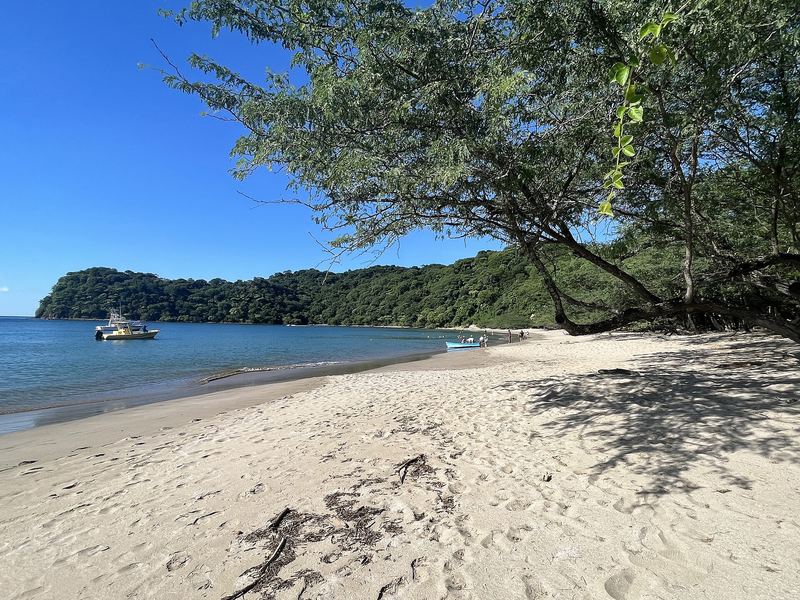
Santa Teresa pairs natural beauty with a relaxed, international vibe. The beaches are long and backed by forest. There are no high-rise resorts, so it feels more like a village than a tourist strip.
Couples with different interests are well served. Surfers have consistent waves, from gentle beginner breaks to more challenging reef spots. Yoga lovers can choose from daily classes at open-air studios. Those who prefer to read in a hammock or wander tide pools will be just as happy.
The food scene punches above its weight for a small town, with sushi, Mediterranean and creative Costa Rican cooking. Nearby, the Cabo Blanco reserve, Montezuma's waterfalls and boat trips to Isla Tortuga add variety. It feels remote yet comfortable.
When to Go
The dry season, from December to April, brings sunny days, blue skies and dusty roads. It is the most popular and expensive time, especially around Christmas, New Year and Easter. Book early.
May through August is the green season. Mornings are often sunny, afternoons bring showers and the landscape turns lush. Surf tends to be bigger. Prices drop. July often has a short dry spell.
September and October are the wettest months, with heavy rain and muddy roads. Some hotels and restaurants close for a break. November is a transition month, with rain tapering off and the dry season arriving in December. For the best mix of weather and value, consider late November or May.
Where to Stay
Most accommodation lines the main road through Santa Teresa and Mal País, with some on the hills behind for ocean views.
Nantipa, a Tico Beach Experience, has beachfront suites and bungalows on Playa Santa Teresa and is one of the strongest romantic picks right on the sand. Latitude 10 is a small resort with open-air casitas near the beach.
In the hills, villas and boutique hotels offer sunset views from infinity pools. Many couples rent a private villa with a pool for extra privacy.
Playa Hermosa, to the north, is quieter, while Mal País to the south has rocky coves and a laid-back fishing village feel.
Romantic Things to Do
- Take a surf lesson together at Playa Hermosa or Playa Carmen, which have friendly beginner waves.
- Watch the sunset from the beach every evening.
- Hike to a secluded beach in the Cabo Blanco Absolute Natural Reserve, one of Costa Rica's oldest protected areas.
- Swim beneath the waterfalls near Montezuma, a short drive away.
- Take a boat trip to Isla Tortuga for snorkeling and white sand.
- Join a sunrise yoga class at an open-air studio.
- Explore tide pools at Mal País at low tide.
- Book a couples massage after a day in the waves.
Getting There and Around
There are a few ways to reach Santa Teresa. From Juan Santamaría International Airport (SJO), drive about two hours to Puntarenas, then take a car ferry of roughly an hour and a quarter to Paquera, then drive about an hour and a quarter more. Plan on four and a half to five hours total. Private shuttles handle the whole trip.
The fastest option is a short domestic flight from San José to Tambor Airport (TMU), about 45 minutes from town by car.
From Guanacaste Airport (LIR) in Liberia, which has many US nonstops, it is roughly four hours or more by road.
In town, roads can be bumpy and dusty or muddy depending on the season. Many visitors rent ATVs, golf carts or 4x4s. Taxis are available for short hops.
Food and Drink
Santa Teresa's dining scene is one of the best on the Nicoya Peninsula. Expect fresh sushi, wood-fired pizza, Mediterranean plates, poke bowls and creative Costa Rican dishes, many made with local fish and produce.
For a classic local meal, look for sodas serving casados, rice and beans with salad, plantains and a choice of fish, chicken or beef. Ceviche is everywhere and excellent.
Smoothie bowls and coffee shops fuel morning surf sessions, while beach bars serve cocktails at sunset. Many restaurants fill up quickly in high season, so reserve ahead for popular spots. Some close on certain days or for part of the rainy season, so check hours before you go.
Honeymoon Tips
Surf and swim with care. Rip currents are common, especially at Playa Santa Teresa. Swim near other people, ask locals about conditions and take a lesson if you're new to surfing.
Bring sunglasses and a buff or scarf for dusty dry-season roads.
ATVs are popular but can be risky. Wear helmets, drive slowly and avoid riding after drinks.
Petty theft occurs. Don't leave valuables on the beach or in vehicles.
Mosquitoes are more common in the rainy season. Use repellent, especially at dusk. If you're pregnant or hoping to be soon, check CDC travel health notices.
Carry some cash, as ATMs can run out on busy weekends. Plan at least five nights, since the journey takes time.