Fire and Ice or Fjords
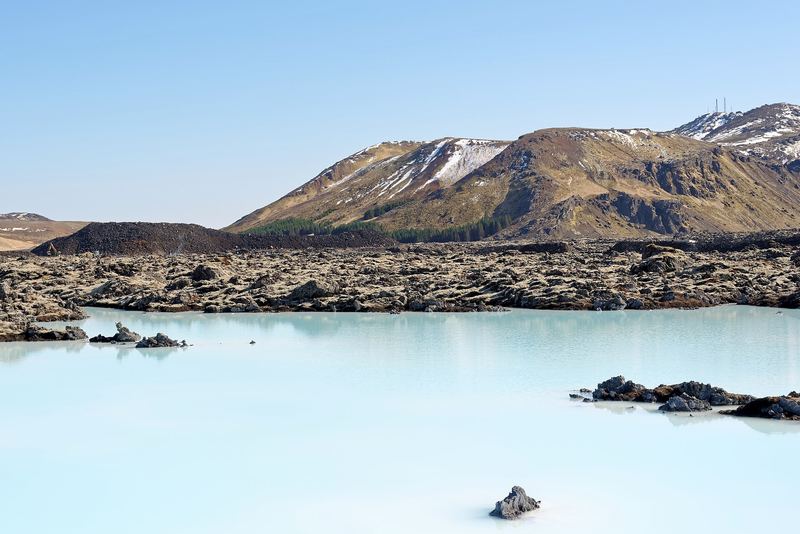
Iceland feels like the planet under construction. On the Reykjanes Peninsula you drive across fresh lava fields to a milky-blue lagoon. Along the South Coast, waterfalls drop off old sea cliffs and glaciers spill toward black-sand beaches. In the southeast, icebergs drift through Jökulsárlón. Trees are rare, so the views run to the horizon in every direction.
Norway feels sculpted. In the west, fjords like the Nærøyfjord and Geirangerfjord cut between walls of rock, with waterfalls falling straight into green water and old farms on the ledges. Hardanger adds orchards and wooden hotels. Up north, past the Arctic Circle, the Lofoten Islands rise from the sea in jagged peaks, with red fishing cabins at their feet. Iceland is wide open and elemental. Norway is deep and green, more human, with centuries of villages tucked into its landscape.
Flights From the US
Iceland is one of the closest European destinations to the US. Nonstop flights from the East Coast take about five to six hours into Keflavík (KEF) and many US cities have direct service. You can land in the morning and be floating in warm water by lunchtime. The Retreat at Blue Lagoon is about 20 minutes from the terminal.
Norway takes a little more effort. SAS flies nonstop from Newark to Oslo (OSL) in about seven and a half hours, with seasonal JFK flights in some years. Otherwise you connect once through Reykjavík, Copenhagen, Amsterdam, London or Frankfurt, which can put you straight into Bergen or Tromsø. Inside Norway, long distances mean domestic flights: Oslo to Tromsø is about two hours by air and well over a day by road. In Iceland, a rental car covers almost everything.
Choosing Your Season
Both countries have two very different honeymoon seasons. Summer, from June to August, brings near-endless daylight. In Iceland that means easy driving, green landscapes and puffins on the cliffs. In Norway it means open mountain roads like Trollstigen, full ferry schedules and hikes until 10 p.m. July is the busiest and most expensive month in both.
Winter is aurora season. Iceland's dark months run from November to March, with snowy landscapes and lagoons at their most atmospheric, though December has only four or five hours of daylight and storms can close roads. Norway's best aurora window is late February and March in Tromsø and Lofoten, when days are getting longer and the snow is deep.
Shoulder months are excellent in both. In Norway, late May and the first half of September bring fewer people with hotels still open. In Iceland, spring and autumn thin the crowds and September adds the first aurora chances.
Hotels and Retreats
Iceland's star is The Retreat at Blue Lagoon, a hotel of about 60 suites with its own private lagoon and subterranean spa, ideal for your first or last nights. Inland, ION Adventure Hotel near Þingvellir is a design-minded base for aurora hunting. Hótel Búðir on Snæfellsnes and the Fosshotel Glacier Lagoon or Hótel Jökulsárlón in the southeast are cozy countryside options. Eleven Deplar Farm in the north is a remote, top-tier lodge for heli-skiing and fishing.
Norway's best stays mix history and design. Historic fjord hotels in Hardanger and Geiranger serve big breakfasts with views and Union Geiranger Resort & Spa sits above the fjord with a spa. In Lofoten, Nusfjord Arctic Resort lets you sleep in restored fishing cabins in a preserved village. Lyngen Lodge, east of Tromsø, is a small luxury lodge built for aurora nights and Arctic adventures.
What the Bill Looks Like
Neither is cheap. Iceland is one of the more expensive destinations in the world. Luxury hotels like The Retreat run well into four figures a night, while countryside hotels such as Hótel Búðir start around $300. A nice dinner for two with wine often runs $150 or more and a casual lunch can top $50.
Norway is similar or a touch less, helped in recent years by a fairly weak krone. Good city hotels in Oslo and Bergen often cost about $180 to $350 a night, with historic fjord hotels around $300 to $600 in peak summer, usually including breakfast. Lyngen Lodge and Eleven Deplar Farm are serious splurges. A comfortable ten days for two in Norway runs roughly $6,000 to $10,000 before flights. All figures are approximate and move with season and exchange rates. Wine and spirits are pricey in both.
Adventures for Two
Iceland is built for active days with soft landings. Snorkel between continents in Silfra's glacial water at Þingvellir, hike on a glacier with a guide, walk behind Seljalandsfoss and watch icebergs wash up on Diamond Beach near Jökulsárlón. Drive the Golden Circle, explore Snæfellsnes or fly north to Lake Mývatn. Then finish in hot water, whether at a famous lagoon or a small village pool.
Norway's adventures are scenic and slow. Ride the Flåm Railway and take a boat through the Nærøyfjord. Drive the Eagle Road into Geiranger and cruise past the Seven Sisters waterfalls. Hike to Preikestolen above the Lysefjord near Stavanger. In Bergen, ride the funicular up Mount Fløyen. In Oslo, walk on the opera house roof and book a floating sauna on the harbor. In winter, add dog sledding or a whale-watching trip from Tromsø.
Driving and Logistics
Iceland is a road-trip country. The Ring Road loops the island, the southwest is compact enough for day trips and English is spoken everywhere. Winter driving needs care, since storms can close roads with little warning and highland F-roads need four-wheel drive and stay closed much of the year. Off-road driving is illegal. In winter, many couples use guided tours for aurora nights and glacier days.
Norway's logistics are more varied but very reliable. Trains run on time, ferries slot into road routes like floating bridges and a single domestic flight can carry you from the fjords to the Arctic. Road tolls and car ferries are billed automatically by license plate through the rental company. Book the Flåm Railway and July fjord hotels months ahead. In both countries, keep your plan flexible. Weather moves fast and a free day gives you room to wait it out.
Can You Combine Them?
Yes. It's easier than most couples expect. Many routes to Norway connect through Reykjavík and Icelandair has long offered stopovers in Iceland at no extra airfare on the way to Europe. A twelve-night plan might begin with two nights at the Blue Lagoon and two on the South Coast, then a flight to Oslo or Bergen for the Flåm Railway, a fjord hotel and a final night in Bergen.
In winter, pair Iceland's lagoons with Tromsø or Lofoten for a double shot at the aurora. Two different landscapes give you two different skies, which improves your odds if one is cloudy.
With a week or less, choose Iceland. Its compact southwest and short flight make it efficient. With ten days, Norway alone gives you plenty, though a few nights in Iceland on the way make a lovely start.